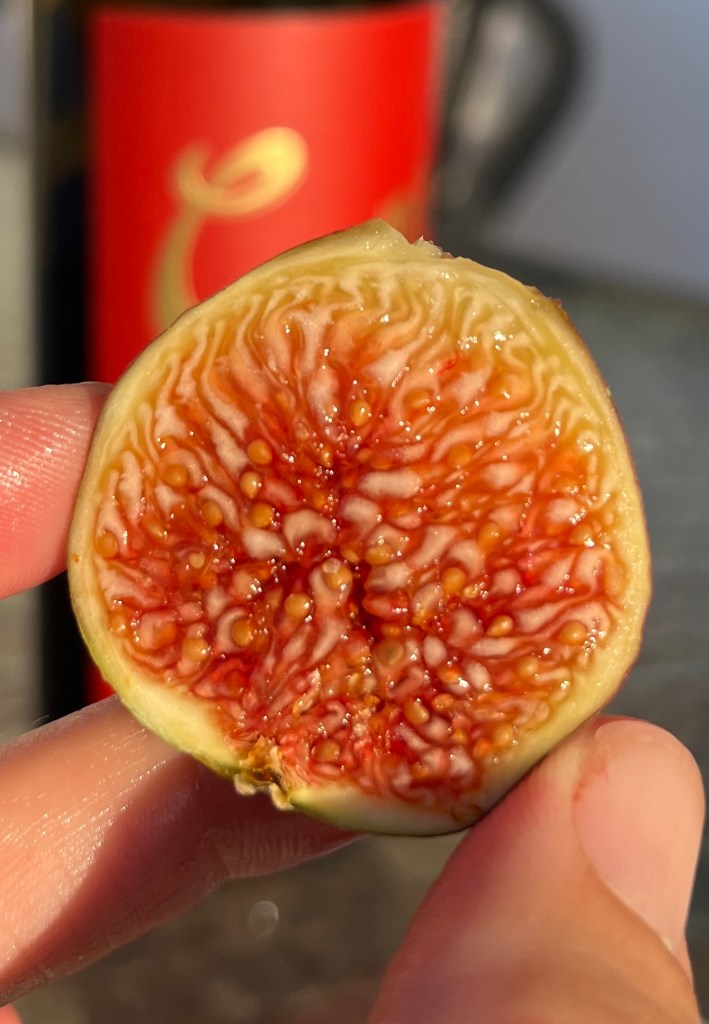
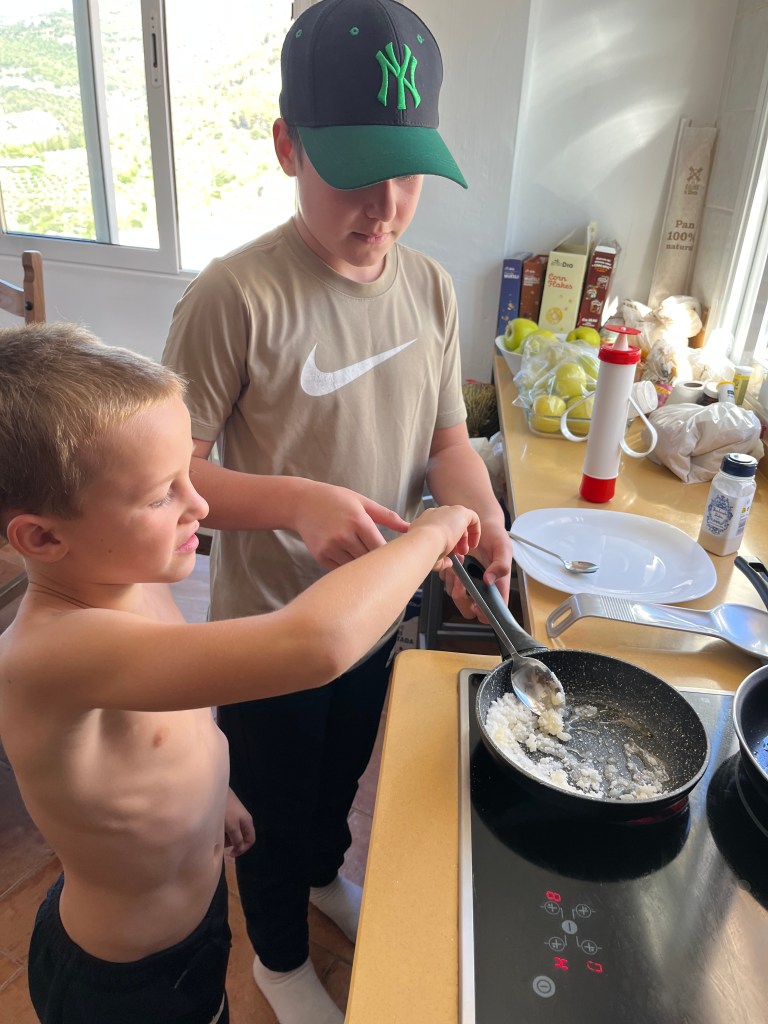
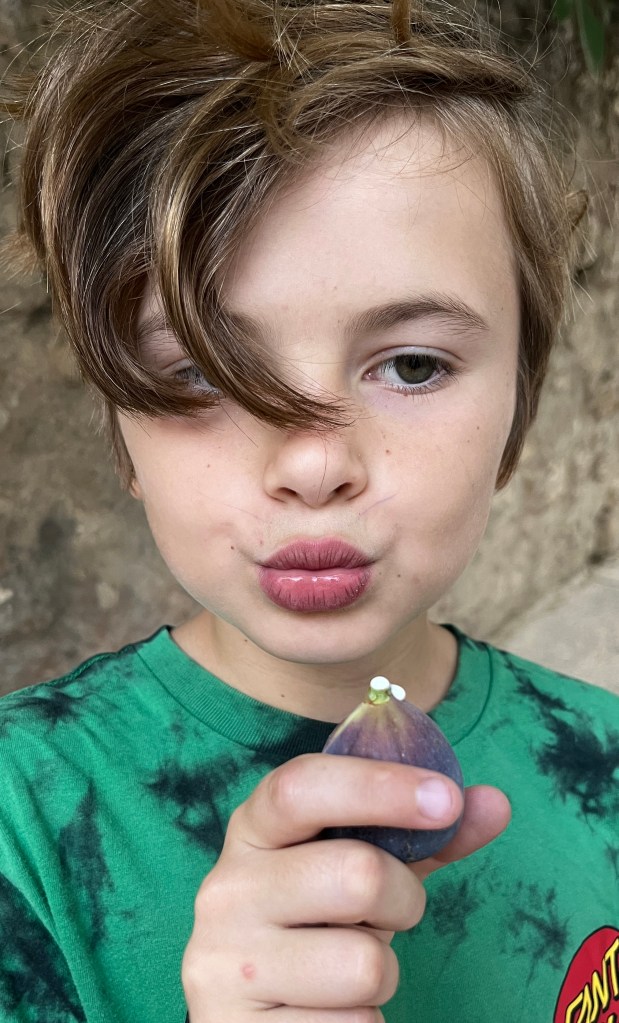
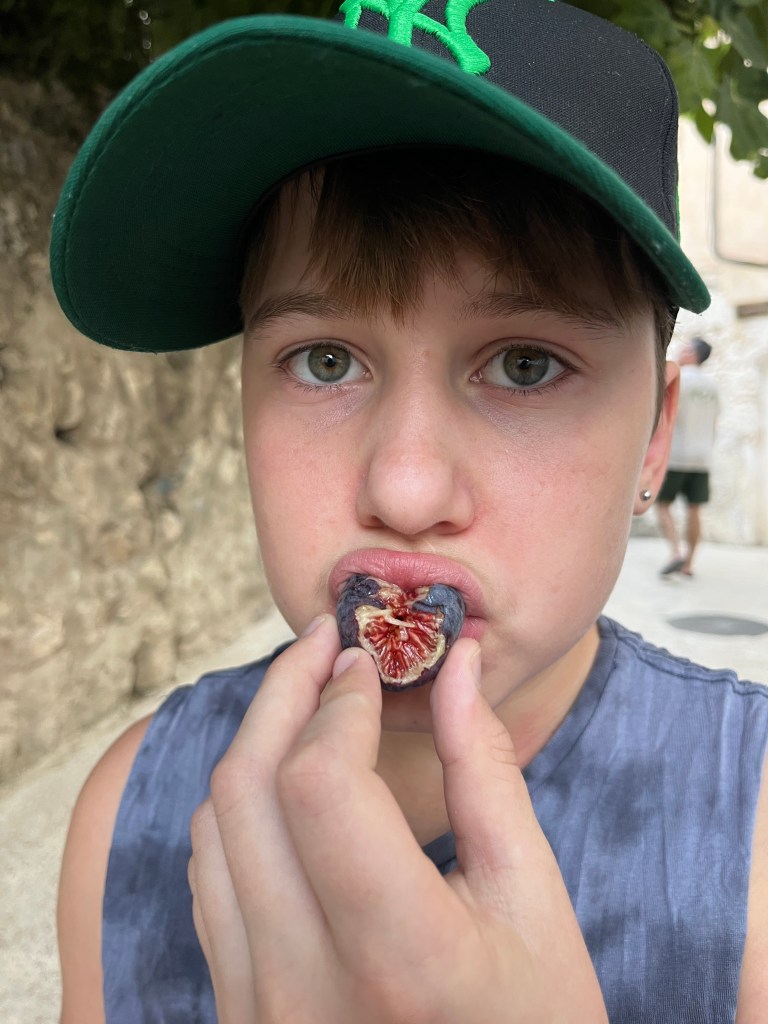
Figs, a fruit I have never given much thought to, have become a bit of a love affair this month- a fig fling if you will. These juicy little bulbs are actually inverted flowers. Unusual for their hidden clusters of blossoms and seeds, they are accessible only through a tiny hole to only a particular species of fig wasp. Marveling at this fertile inner artistry has been a quiet and simple pastime for me. There is something about this fruit I want to emulate. Within my flesh, I want to be this beautiful and packed with such potential becoming. A good source of fibre, calcium, potassium, and antioxidants, fig jam seems a good way to start a Spanish morning, a good way to ingest some possibility.
I’ve been thinking about travel and why it’s any use. I’m sure some people think we are crazy for doing what we’ve done. And, I quite agree most days. So, why then? I don’t mean the Whys I listed at the head of the trail, which were particular to our family situation. I’m not talking about the Whys of intention. I’m thinking about the Whys one sees at the end. Why should anyone travel? What’s the value in it once you’ve arrived back home? Having travelled for nearly eight months, longer than I’ve ever travelled before, I feel like I should have a better understanding of what is gained, what I expect to have gained at the other end. We’ve certainly invested a lot in this endeavour: a lot of money, a lot of planning, and far more of my vitality than anyone will ever know- including me, the dazed and frayed human I have become. I am too grateful to tally the challenges, but it’s been an effort. So, I ask myself, “Why is all of this worth it?”
I think it’s about seeing. In our usual routine lives, we sometimes stop seeing. Really seeing. We are busy and bustling about. We are sleepwalking in familiar spaces, eyes hooded, moving without sense of movement. We are often on autopilot. In our heads. Our thoughts circle the same well-worn trails of the mind. We have the same surface interactions with our fellow humans, slight variations of the day. We orbit in a small and familiar solar system. We are the sun at the centre of our universe. The story of me-my-mine is playing out on the stage of must-should-need-want. There are scripts we follow. There are urges we seek to satisfy. There are patterns that recur in every arena of our lives. And, it may be a beautiful life. It may be a gorgeous, hard-earned, much-loved life, but it’s rigged. It’s rigged for our sedation.
Travel is an antidote to this. Given in reasonable doses, it can help us remain awake to our lives and to the world around us- not just while on the trail but back at home too. What we gain while we are away is obvious: the flavours, the adventure, the vistas, the escape, the respite, all the newness and the unknownness. This in-the-moment experience is clearly valuable in and of itself. What I am reflecting on is what remains, the effects that stay with us. The impacts of our travels can be long-lasting… if we harvest them… if we propagate them.
Living a routine life with our own minds at the centre is not an unpleasant state of affairs, but never breaking out of it can limit one’s ability to appreciate it, to see it for what it is. Traveling helps us to see. By leaving our orbit, we encounter other existences. This is good if you are ripe for evolution because it infuses you with a sense of the possible. And, this is also good if you are contented with your world because the homecoming reminds you of the rightness of your chosen path. Inhabiting worlds that are not our own wakes us to seeing our own lives- what they are, what they are not, and what we might want them to become.
It’s always funny to return from a trip and see your items just where you left them: the work bag slung over the chair, the orange juice carton you thought would survive till you got back, the laundry that didn’t get folded in the flurry of packing. In this moment, the “me” I have become on my journey encounters the “me” who left. The “me” who unpacks the suitcase is not the same as the one who packed it. The becoming of our own personhood is revealed to us when we leave and return to the same place. We cannot experience this observation if we never travel. We rarely get to glimpse our own changing so poignantly.
In this moment of homecoming, there is a funny sense of having dreamed it all. How could I be back here after all that has come to pass? How can all of that realness be so far away? What evidence do I have now that any of it was real? Regardless of how nice home feels, there is something unsettling in this experience. There is a sense that this whole foreign experience is being sealed off in a balloon behind us in time- a balloon released and rising further and further out of reach. It’s over. It’s vacuum-packed in the past. Sometimes I feel like turning around and banging on the glass like a person on a train, regretting they’d ever boarded, but it’s too late. The whole experience is receding. The sensations are foggy and overtaken by the realities of home.
Most of us, when we meet this moment, smile or shake it off and then dive headfirst into the life we had suspended in our absence. We turn our backs on the escapades that just pirouetted into our days. We forget we were just twirled around in delight. Without much thought at all, we allow it all to vanish in the set change of our chosen world. We press “Play,” and the old tape rolls on (vintage metaphor noted and retained). That hefty steamroller, Time, doesn’t give us much option. Onward, we go. But, what if we didn’t do that? What if, instead, we remembered to see?
What if we took the time to reflect not only on what we encountered while we were away but on what we see differently now that we’ve returned home? How, exactly, could we view the particulars of our chosen world differently? What new influence can we make now that we have returned somehow expanded? Aside from the fridge magnet and the t-shirt, how will my existence be different for having gone? How will my days play with the added essence of these experiences? How will these new formations in my brain change my encounters, my vibration, or my trajectory? We don’t need to redecorate our lives after every get-away, but should we not be a bit more awake to how we were transformed in the going? Should we not be more intentional in how we encounter our home upon returning? If not, why travel? Only for the experience of getting away? That seems a short-changed approach, to me.
I’m not saying I’ve got this trick all figured out, but it is something I am planning to get right. This trip has been too mighty to go back and live “as if we never left.” I keep wondering when the moment will hit me, when I will fully recognise what we’ve done. When will it feel all sealed and over? What will be the moment I am on the train of our new life, and I watch this Gap Year fade into the distance? And, when I look down into my empty hands and when I look ahead at the fresh horizon, what will I see appearing because of this trip? Why was any of this worth it?
Maybe we’ll have an international food night every Wednesday. Maybe I’ll take up Tai Chi or stone masonry or mosaic or tea leaf reading. Maybe Arab music will drift out of our windows, and our hips will sway in rhythms previously unknown. Maybe one of the boys will study a language, live abroad, fall in love, and set up a life in a foreign and fantastic land down the trail. Maybe my grandkids will be of a culture very different from my own. Maybe we will plant a fig orchard or start a lotus pond or get a boat. Maybe Sundays will be for pretzel baking and Portuguese tarts. Maybe Vietnamese lanterns will swing in our Aussie winds, and Turkish lamps will glow at our bedsides. Maybe one of the boys will take up whittling or stick-fighting or breeding crustaceans. Maybe I’ll graffiti the streets of our new hometown under the cover of darkness in a hoodie. Maybe one of the boys will open a churros stand at the local farmers’ market or become a tour guide on a boat in the Adriatic one summer. Maybe a boy will become an international AirB&B magnate or a coconut farmer or a Flamenco guitarist or a camel jockey or a DJ. Maybe one will open a dog shelter or a river rafting business or a kebab shop. Or maybe, decades from now, I’ll find myself riding a bicycle around some small town at the age of 86, like the little old ladies of Hoi An in flower-prints and cone hats. Maybe I’ll even have myself a cone hat. I hope so.
Whatever the case, I plan to be awake and seeing all this. With both intentional fanning and passive observance, I plan watch the embers and bonfires of this Gap Year illuminate and rage. I plan to sit back and see what pathways burn through our lives, and I’ll restart some flames if I have to. There is no doubt a million sparks have been sent flying into our futures. There is no doubt all of this has been worth it. Now, I guess, we spend the rest of our lives observing travel’s worth, watching the Whys swirl and unfurl. If all goes to plan, we’ll be seeing quite a show.
But first, let’s just see what we’ve been up to these recent days in Spain.
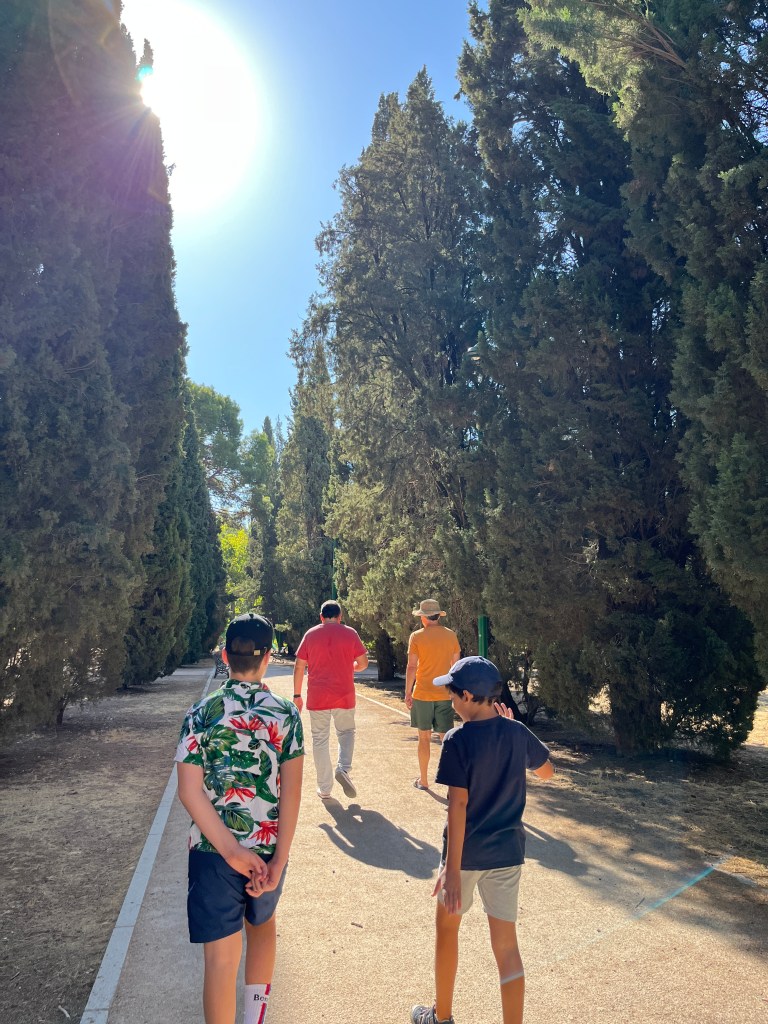
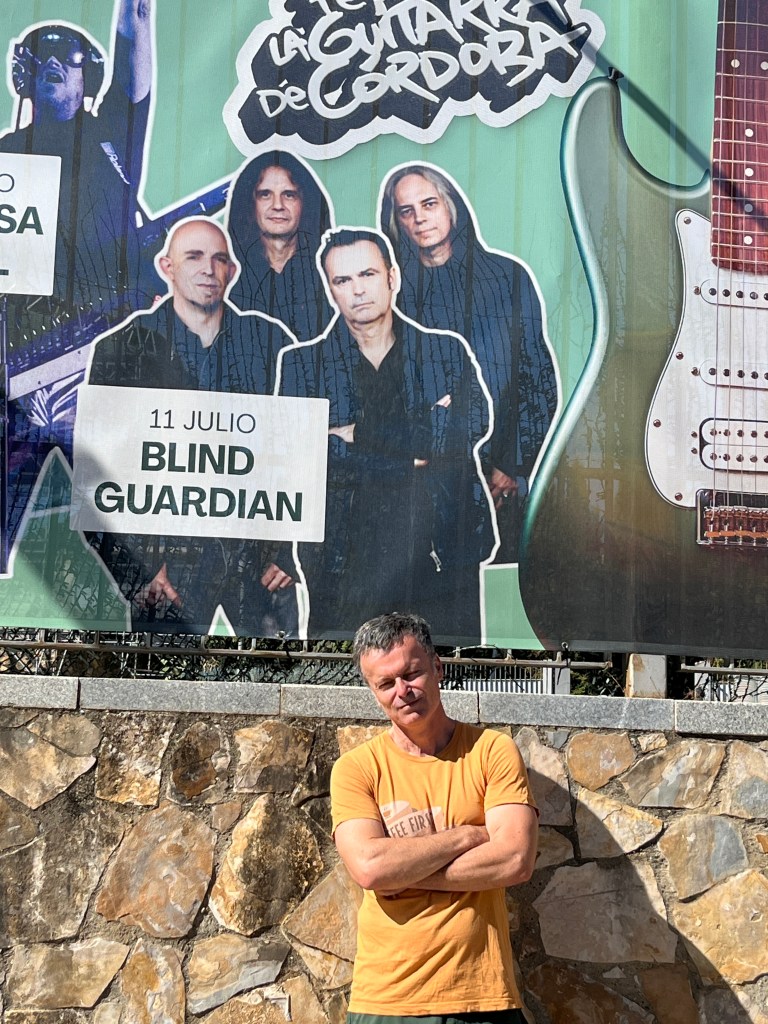
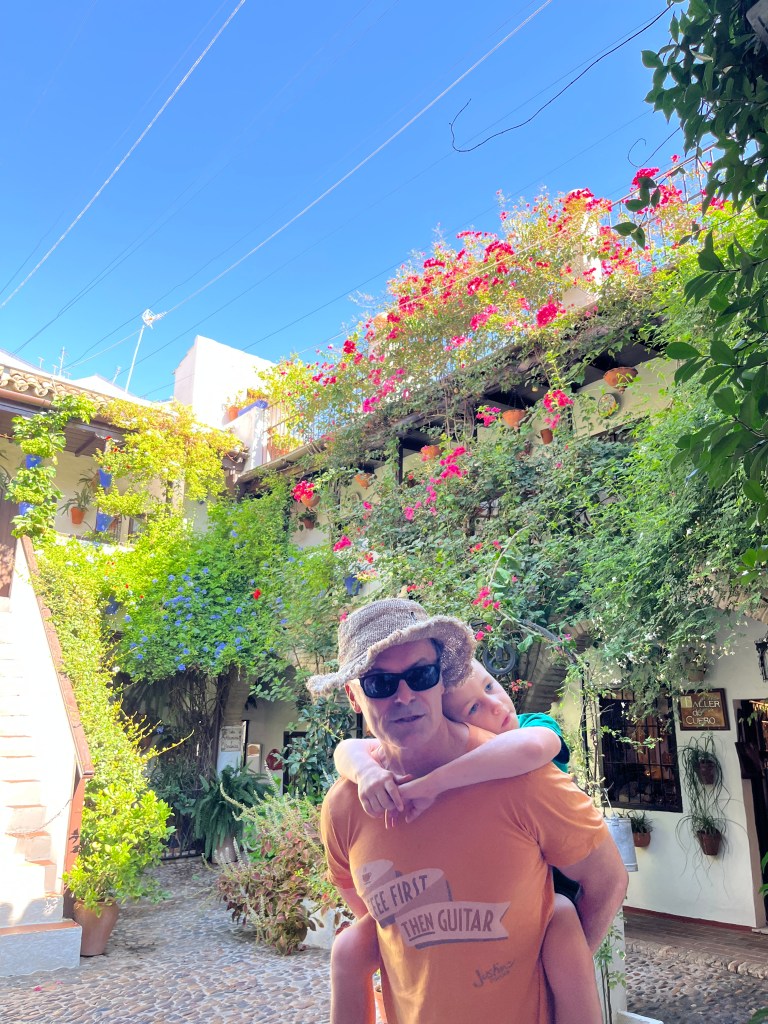
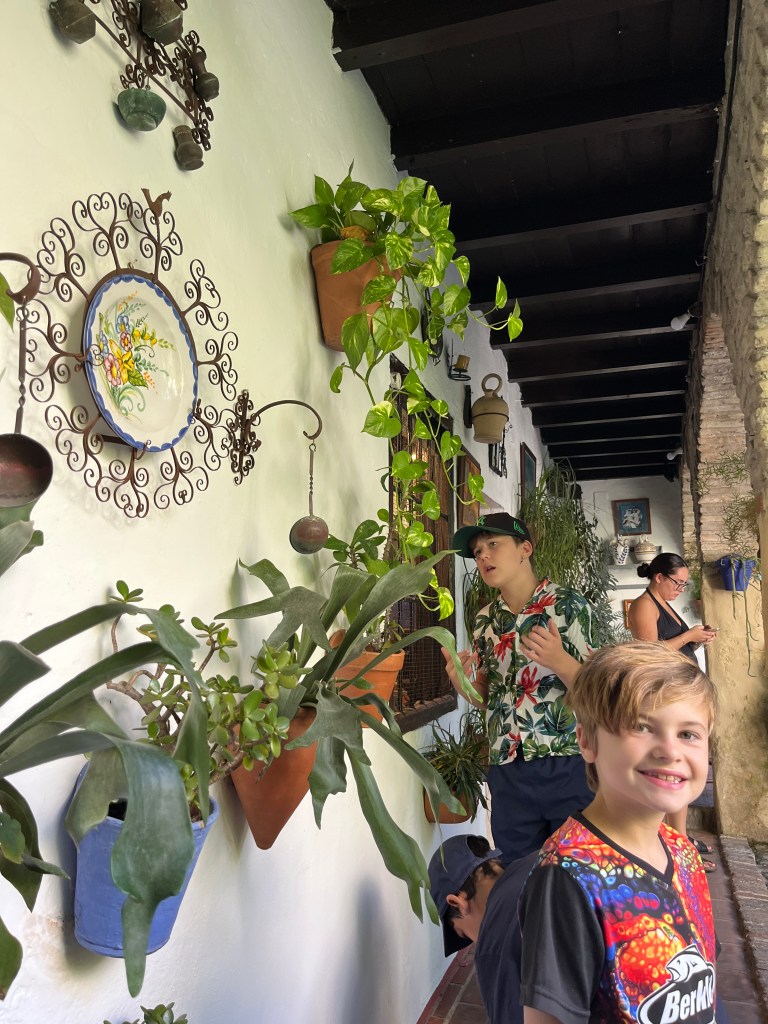
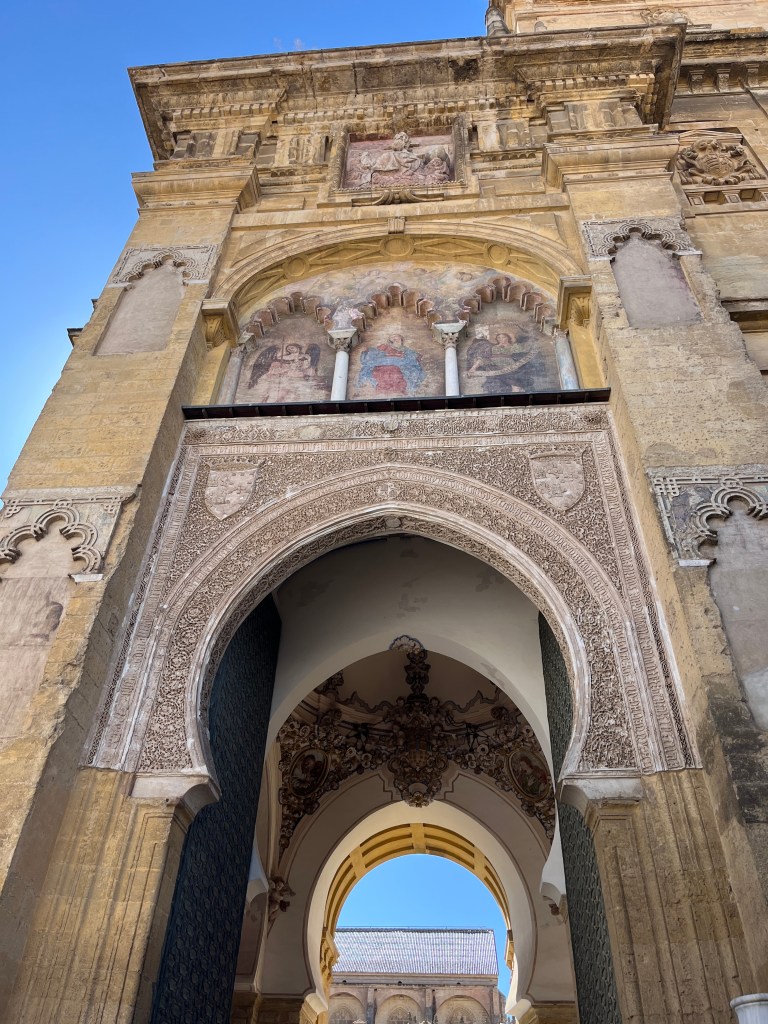
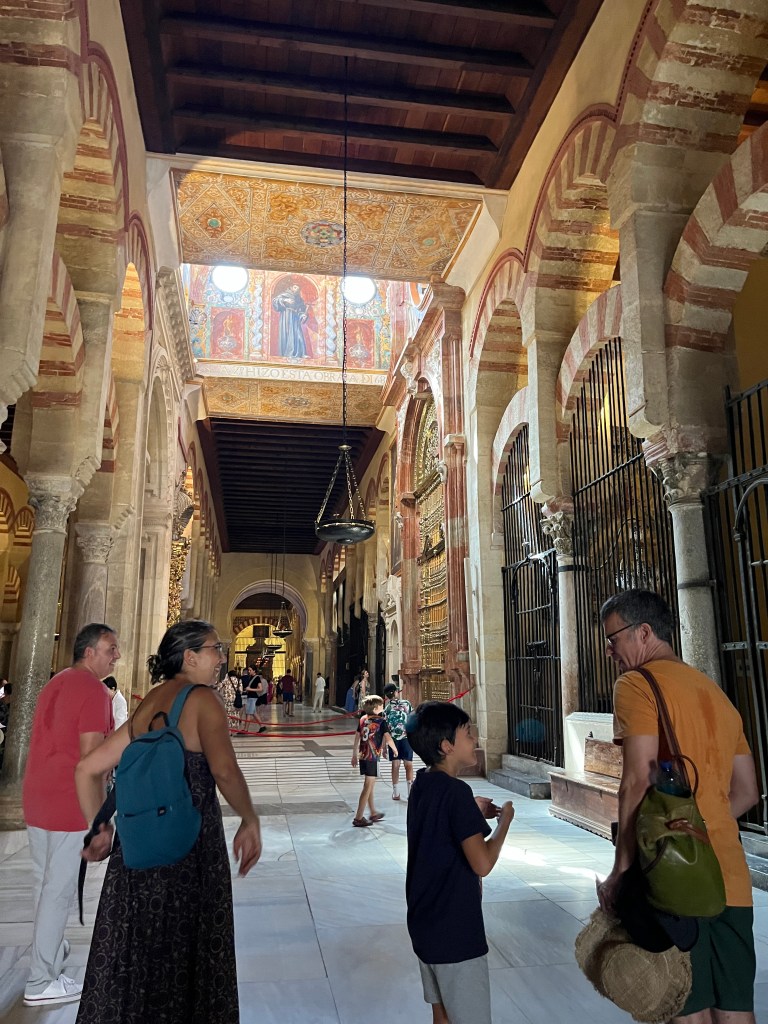
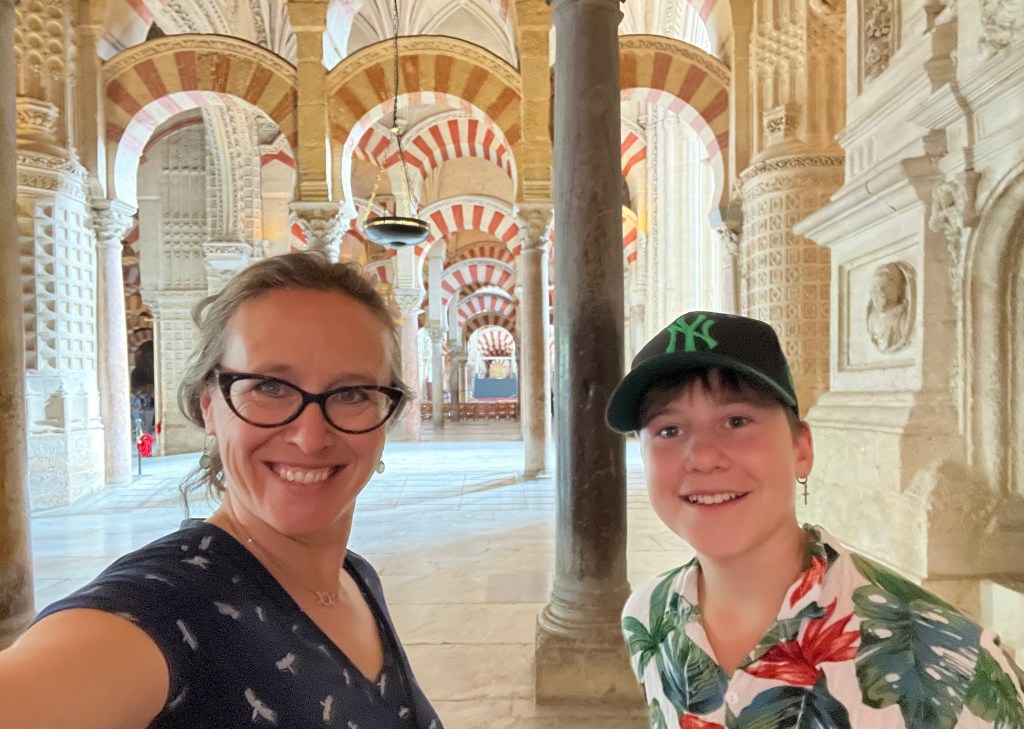
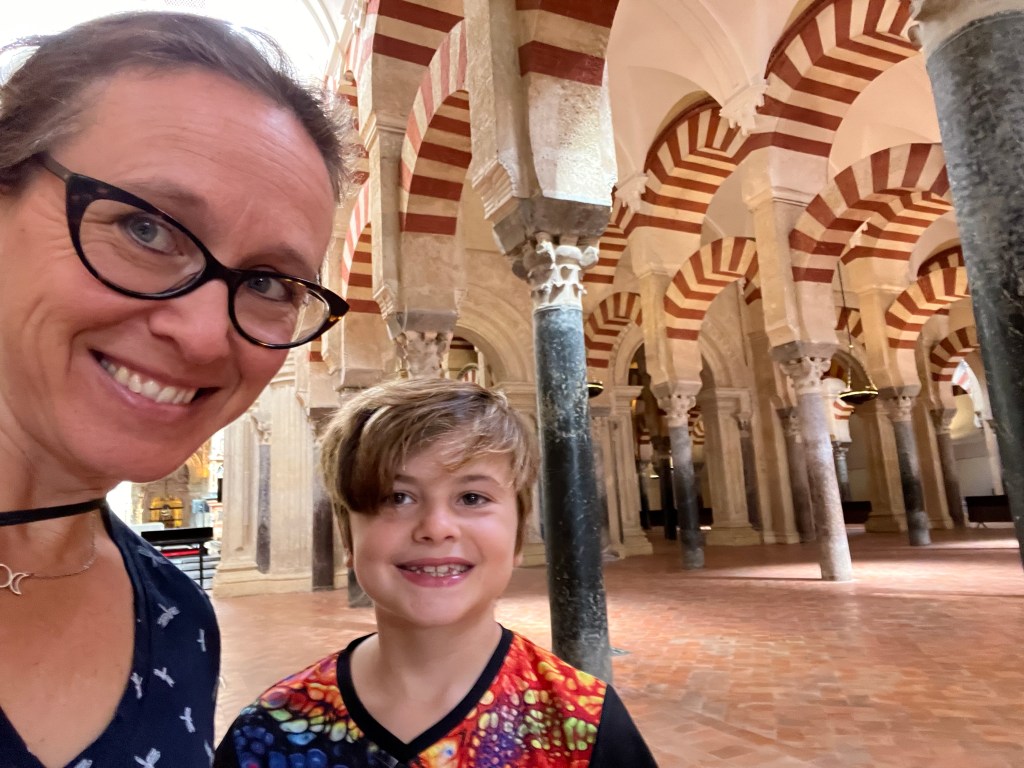
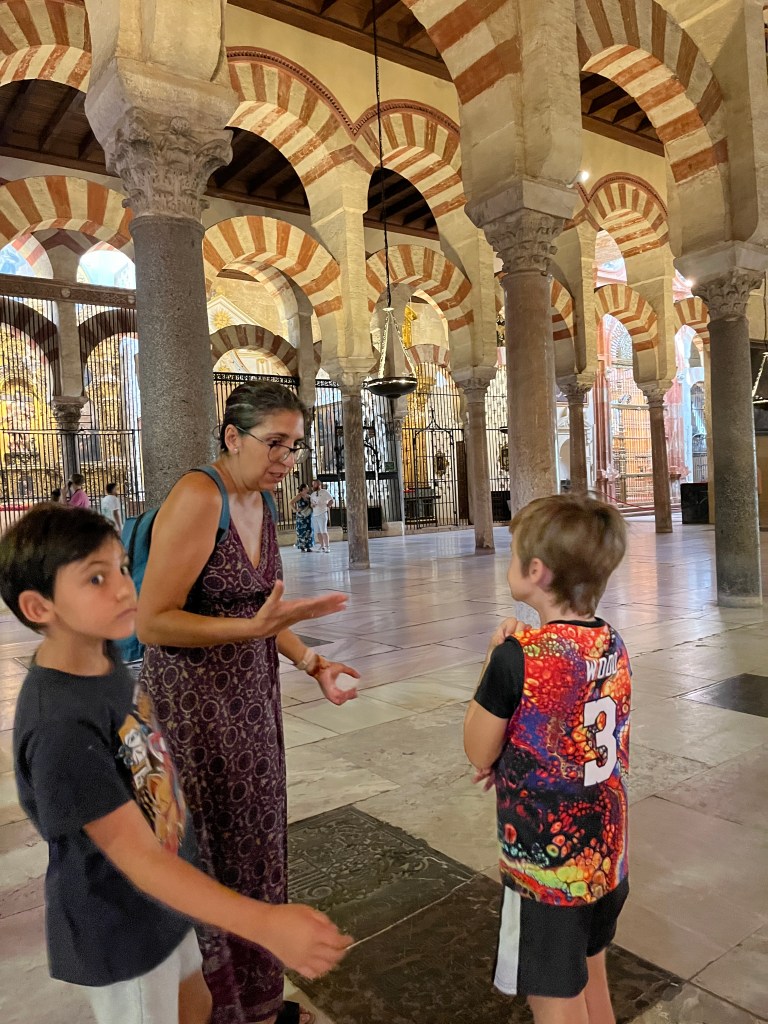
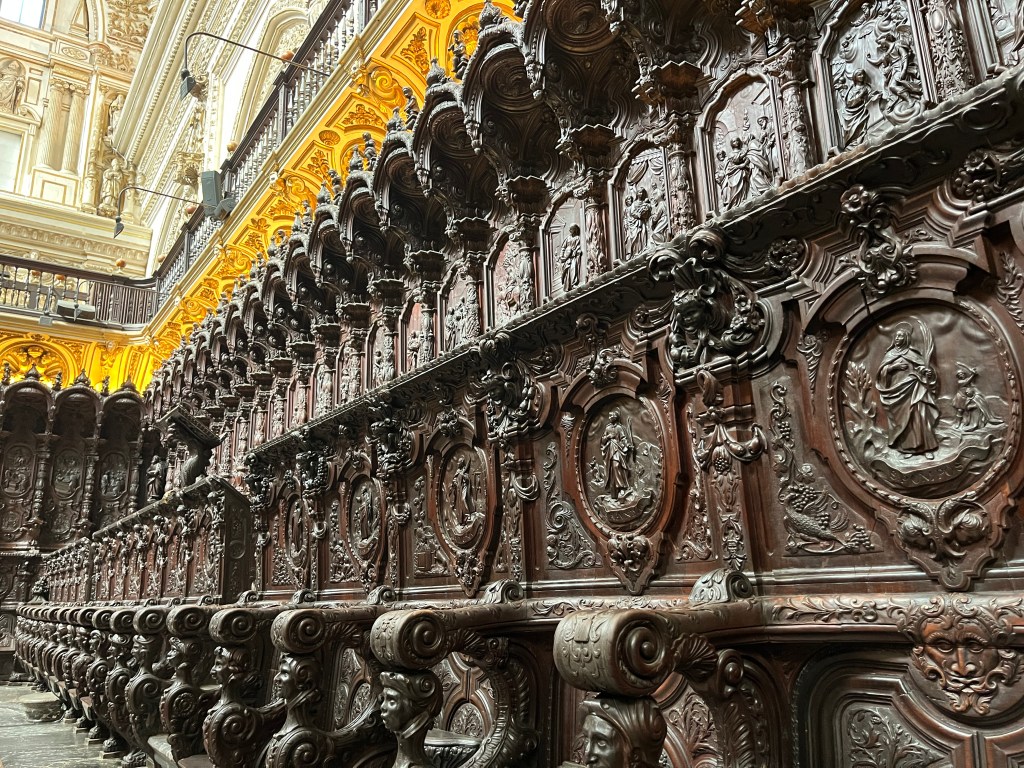
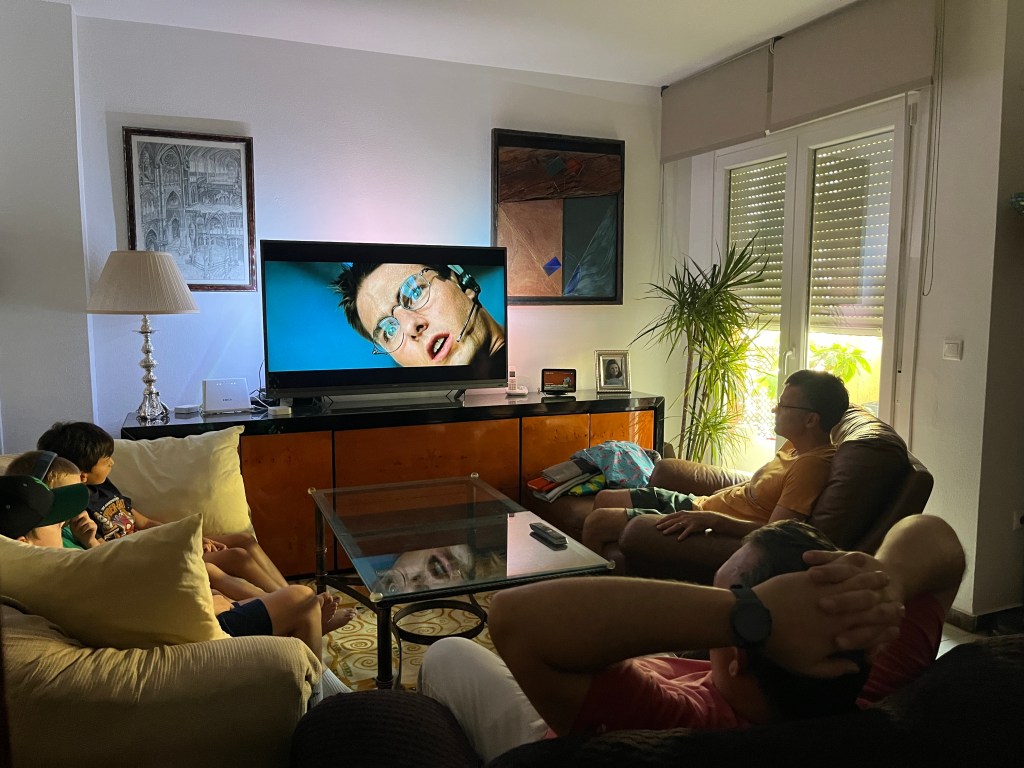
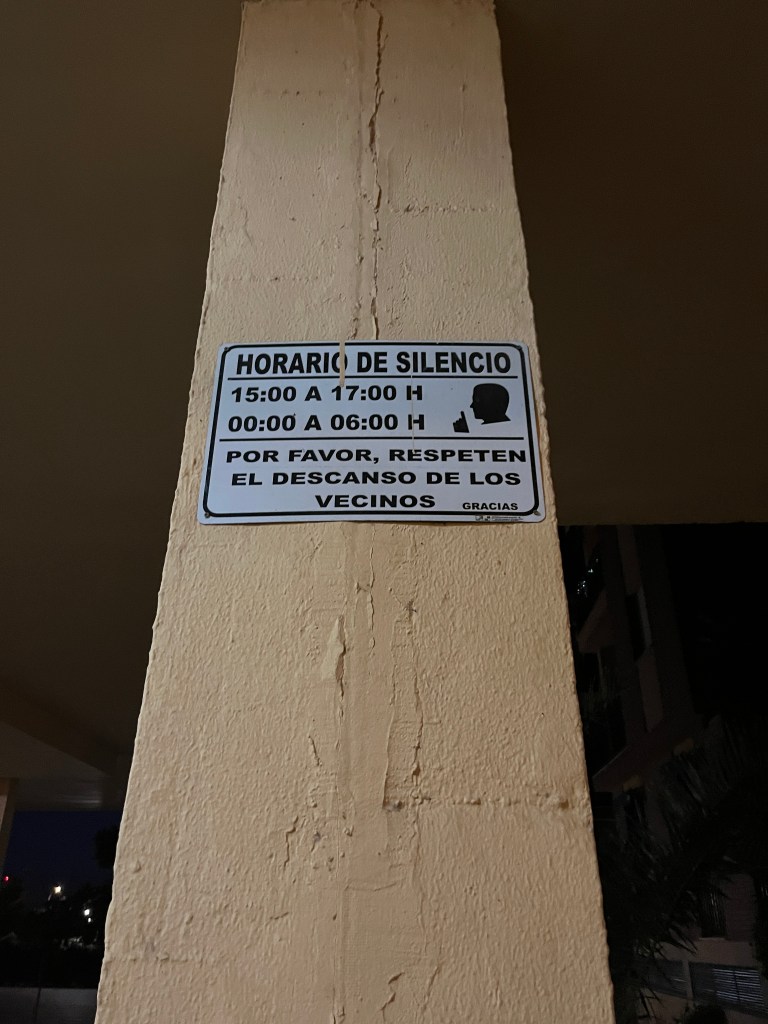
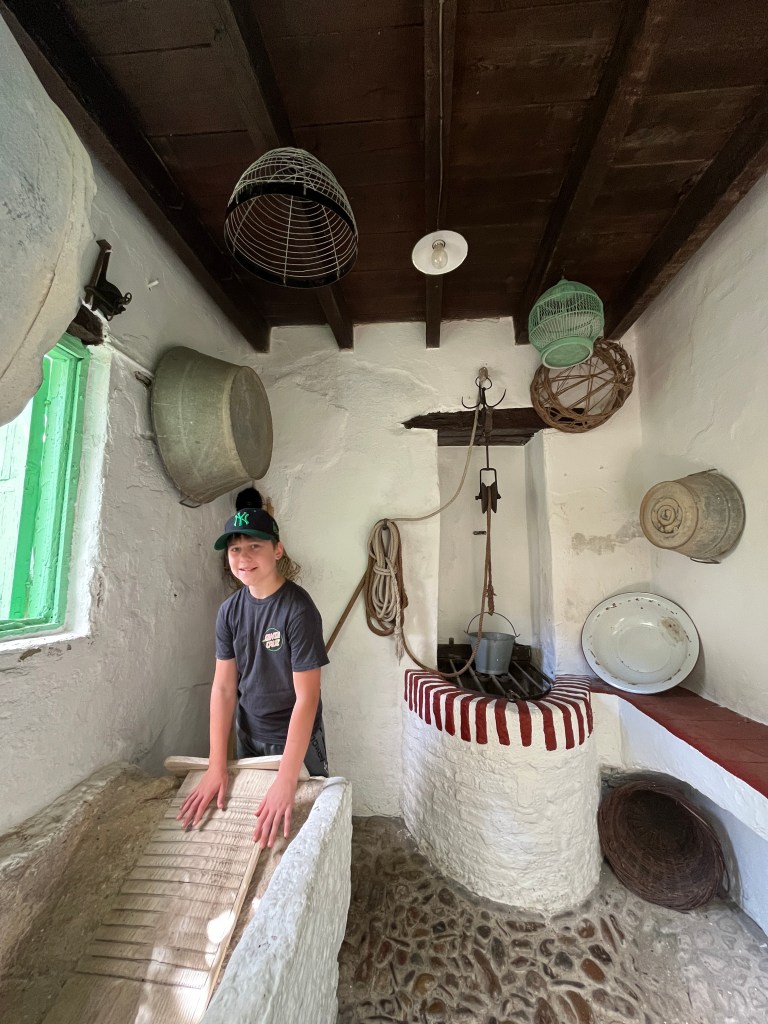
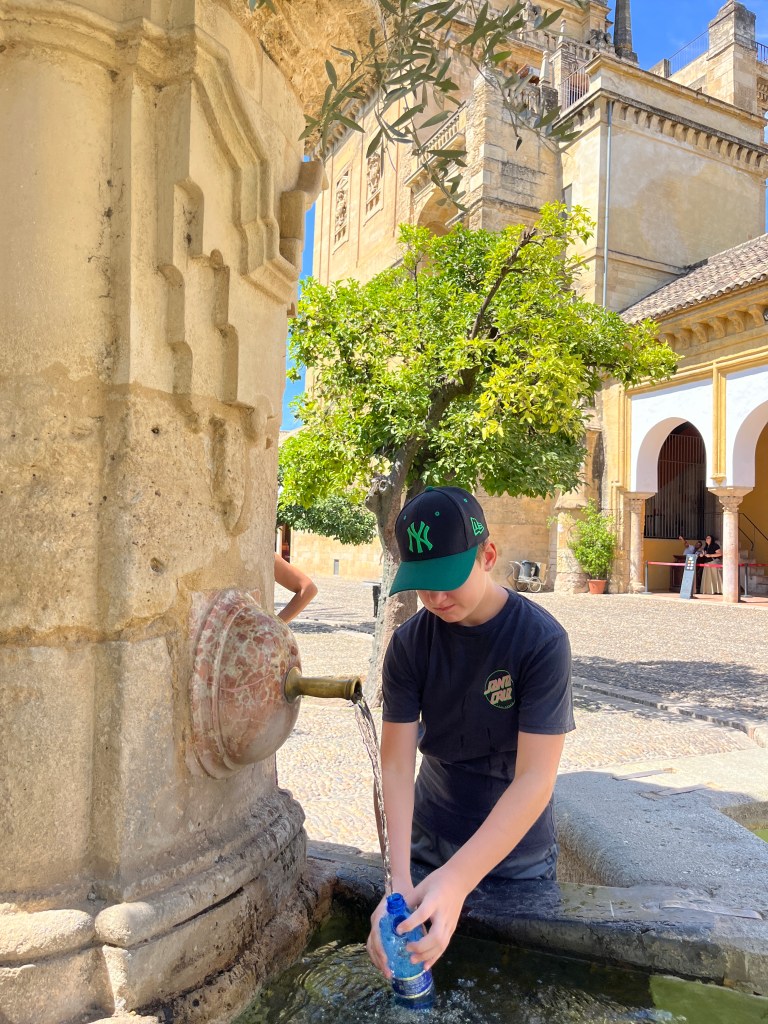
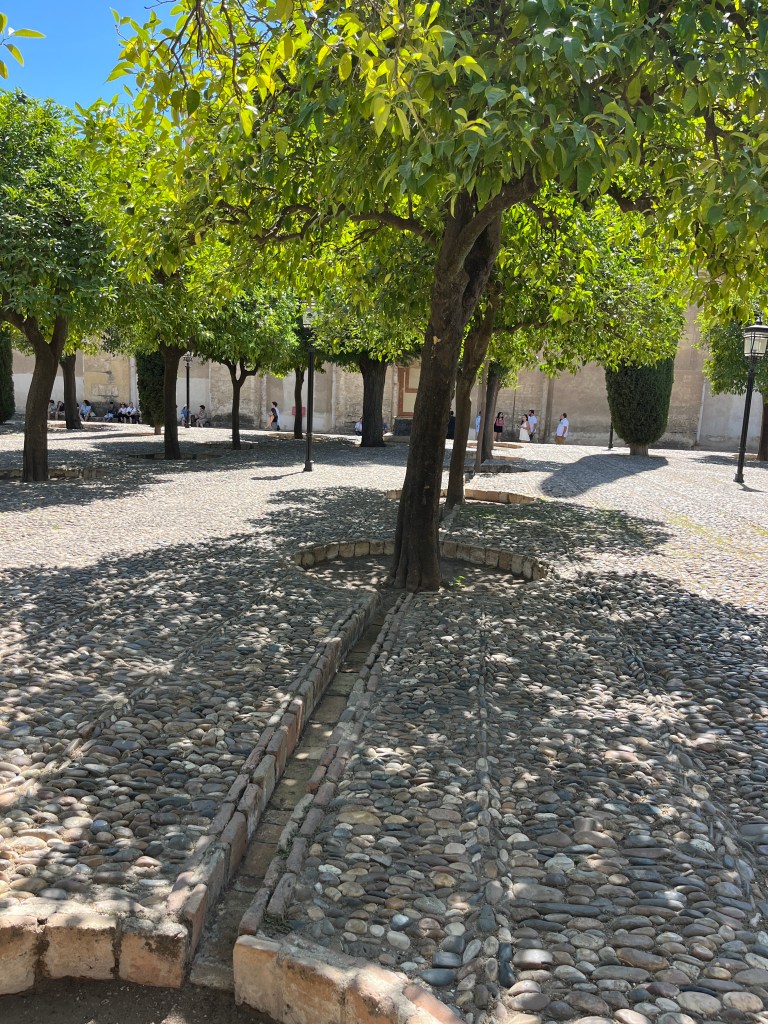
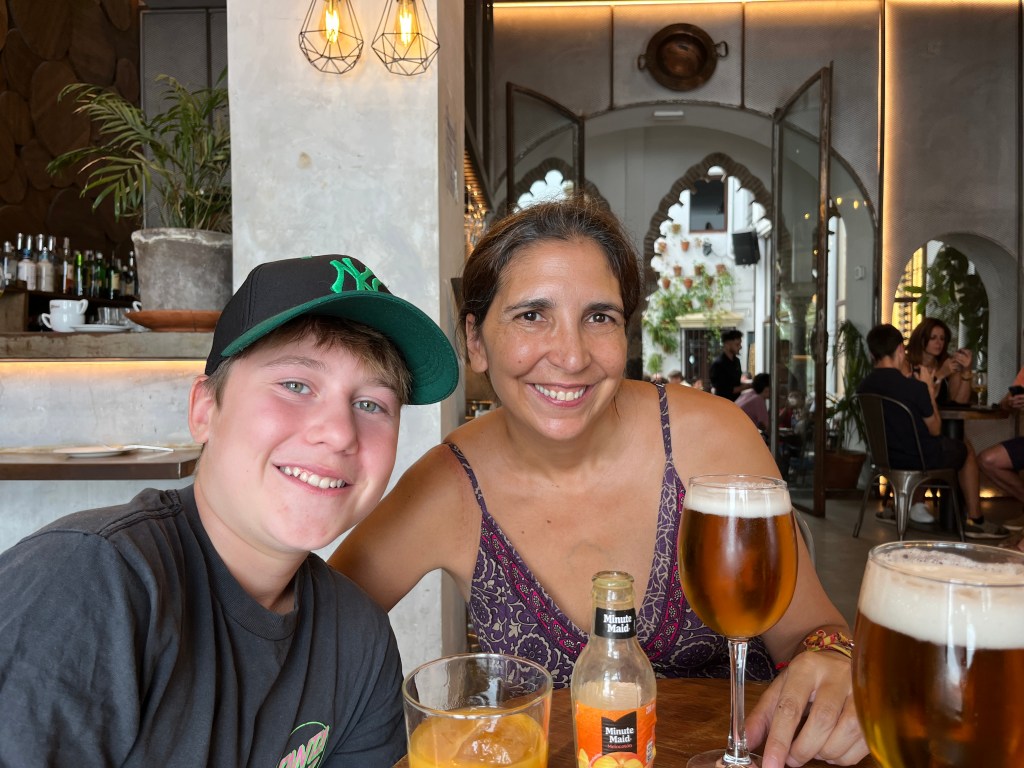
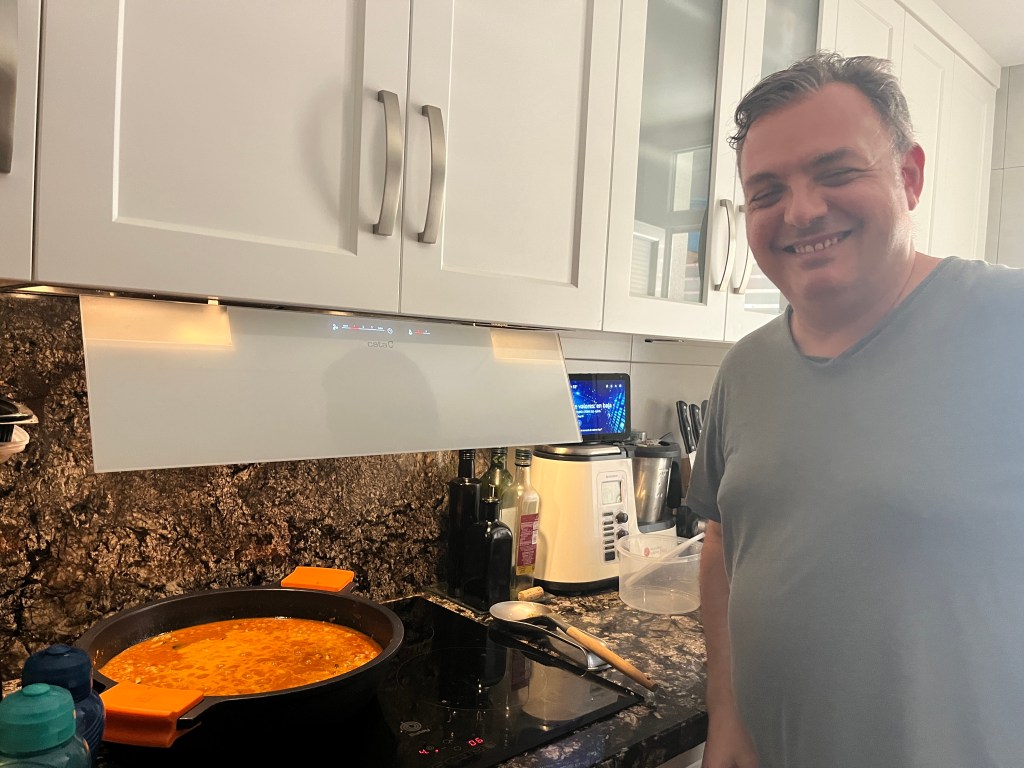
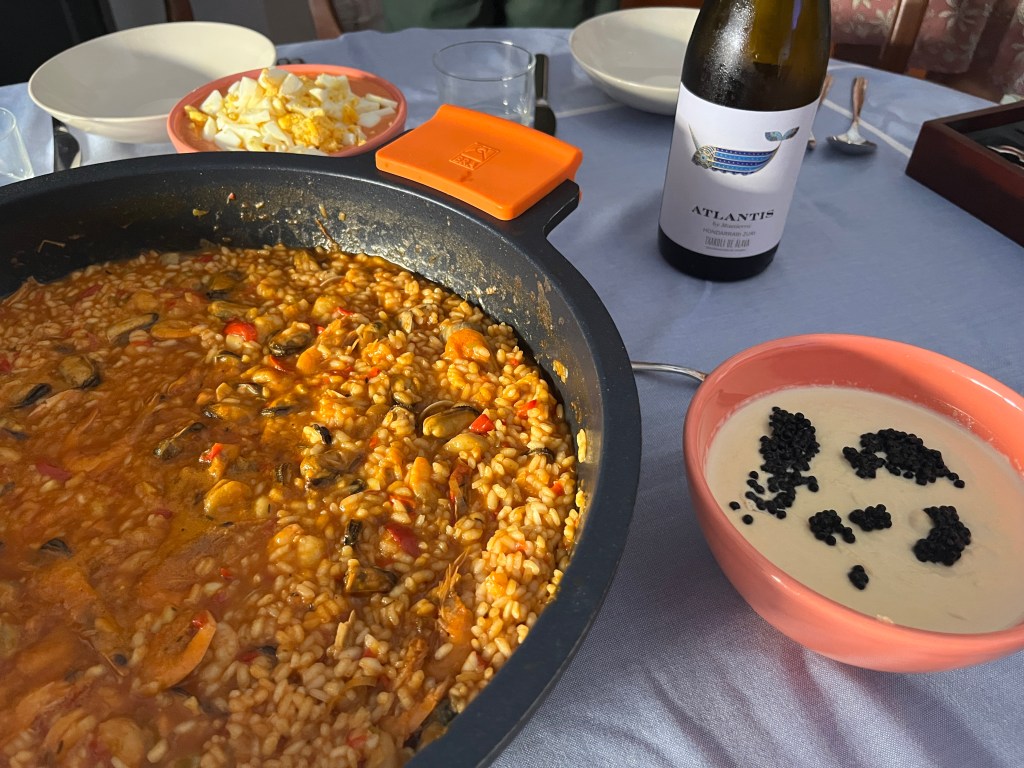
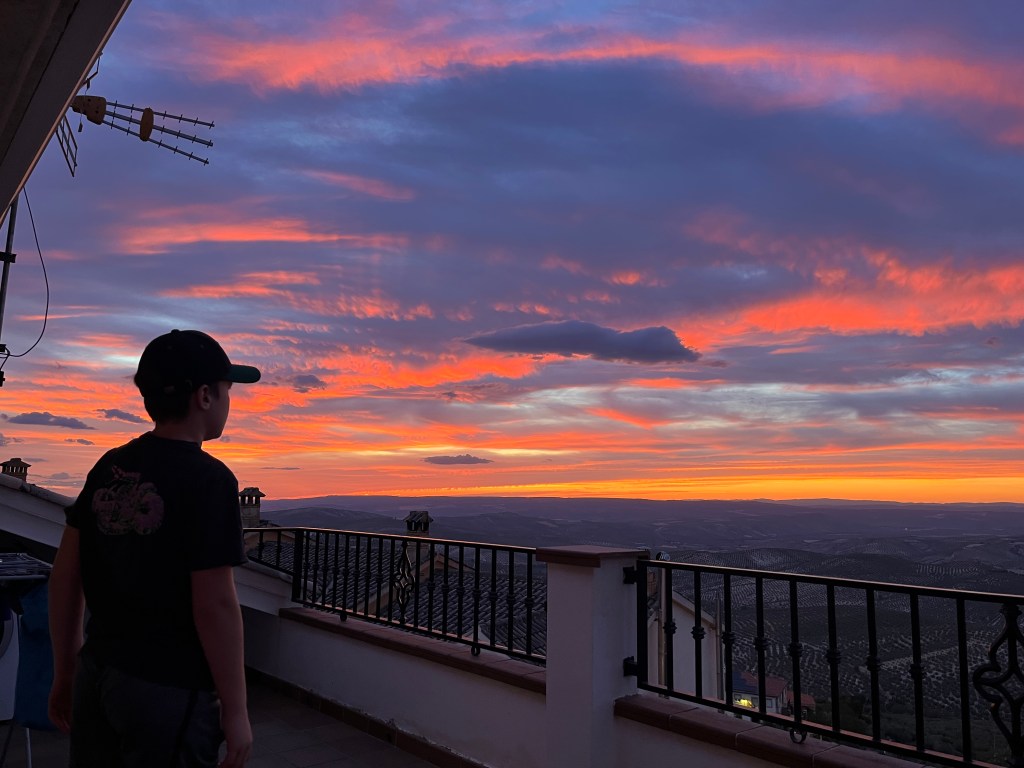
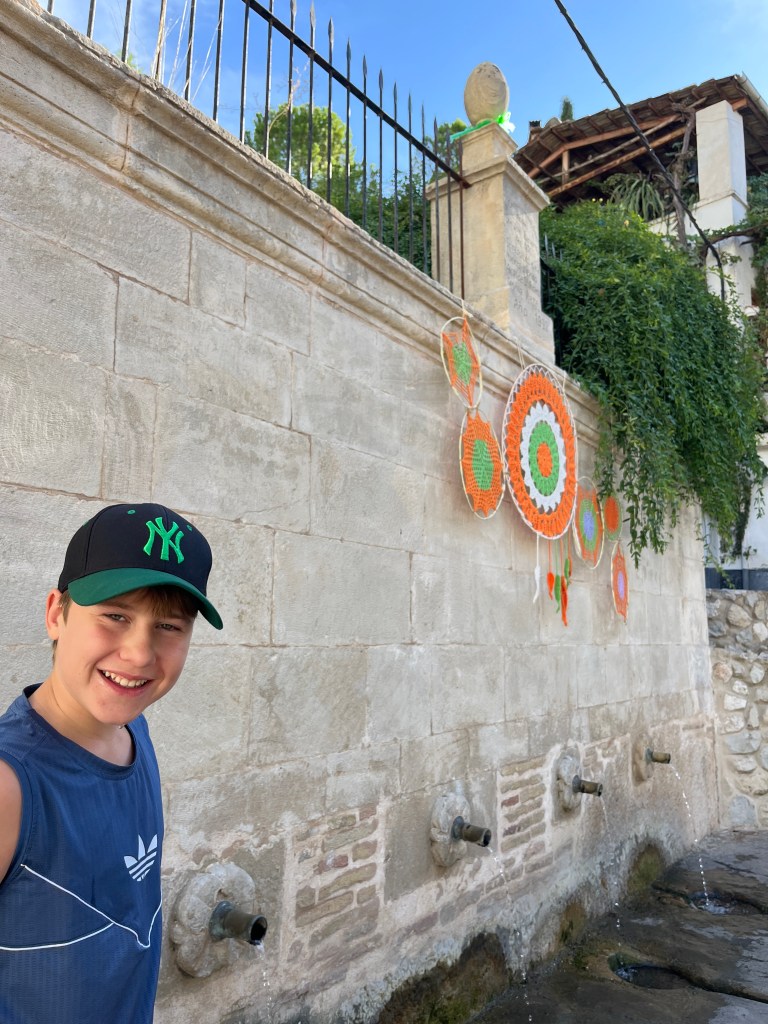
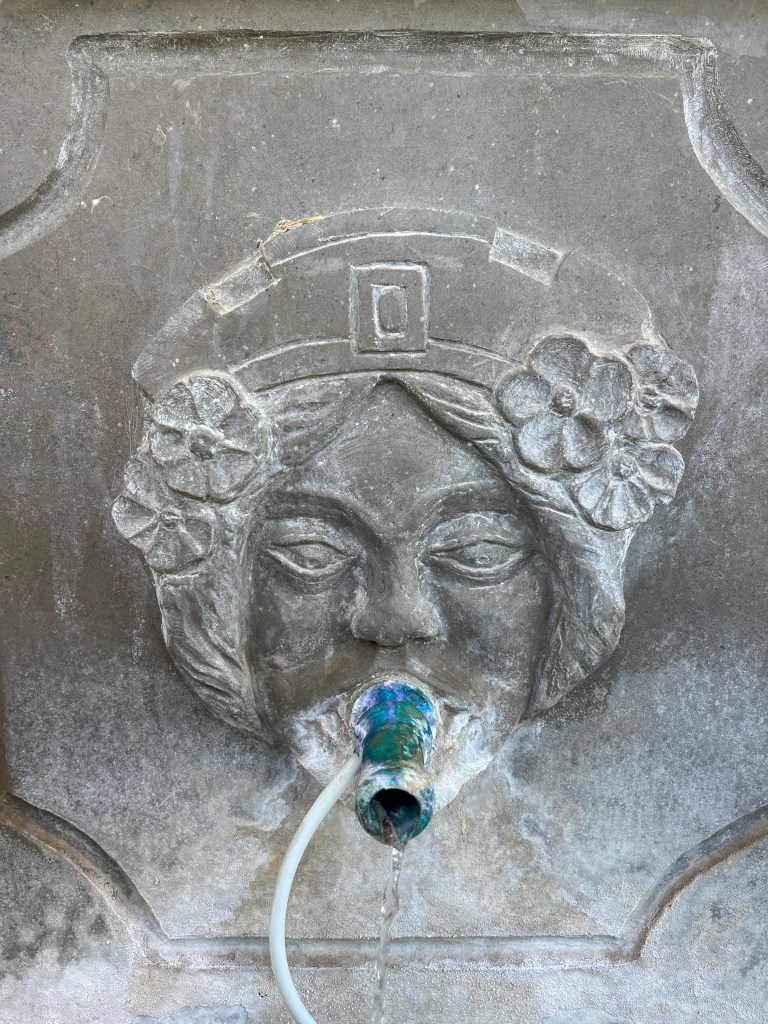
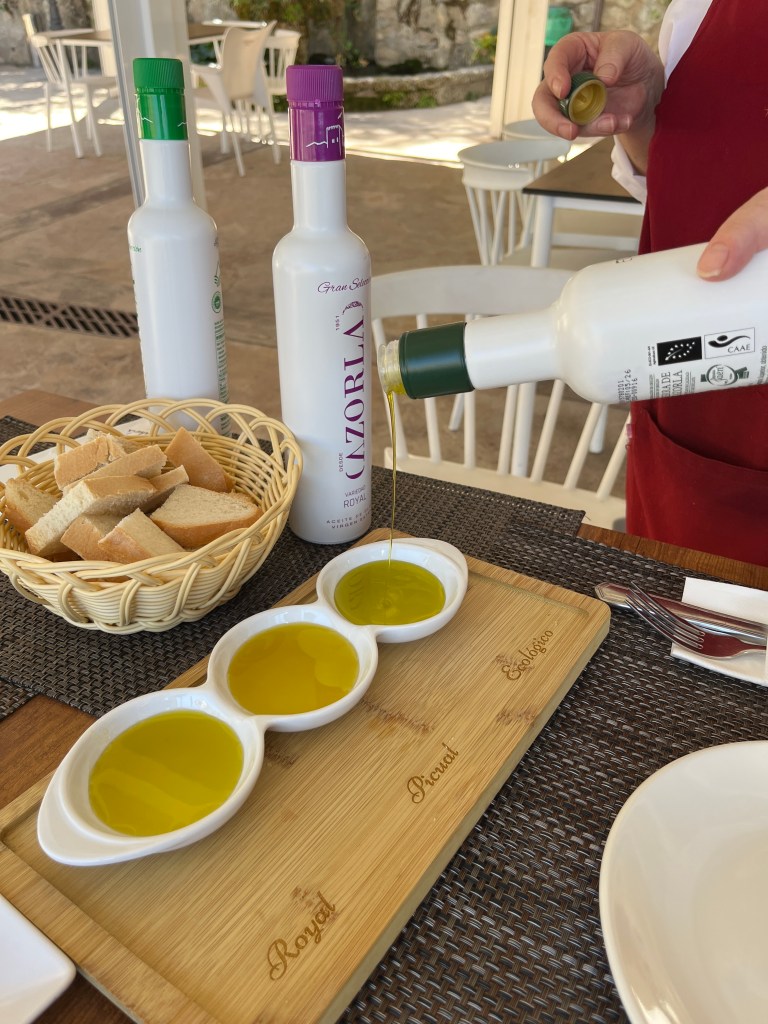
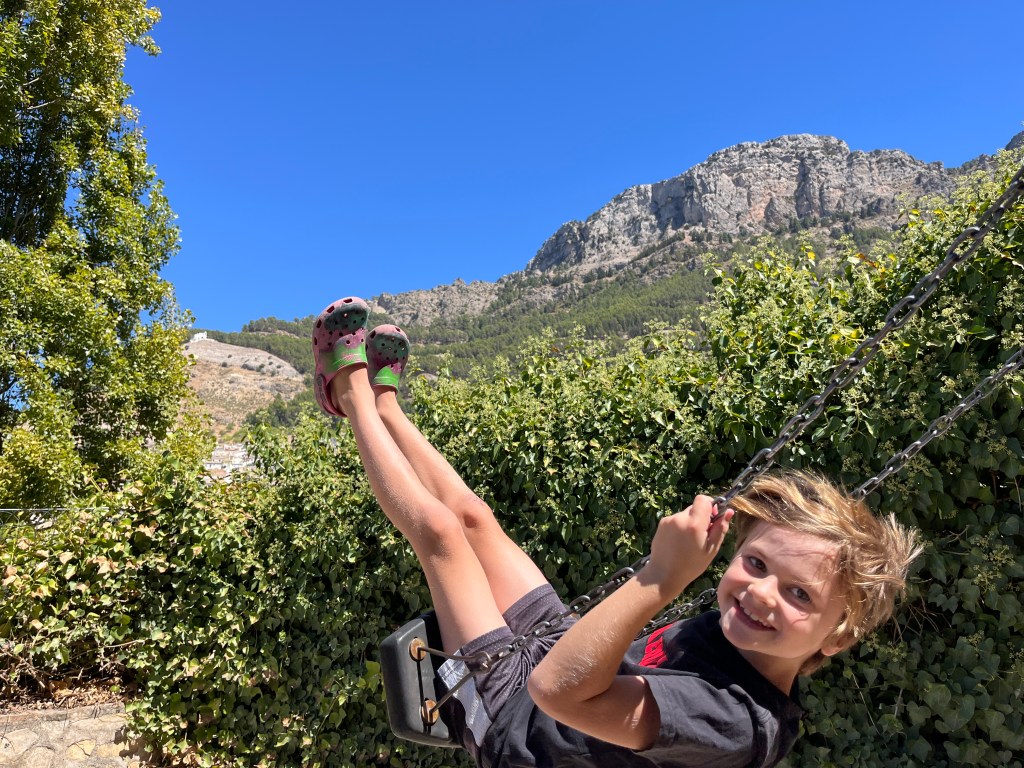
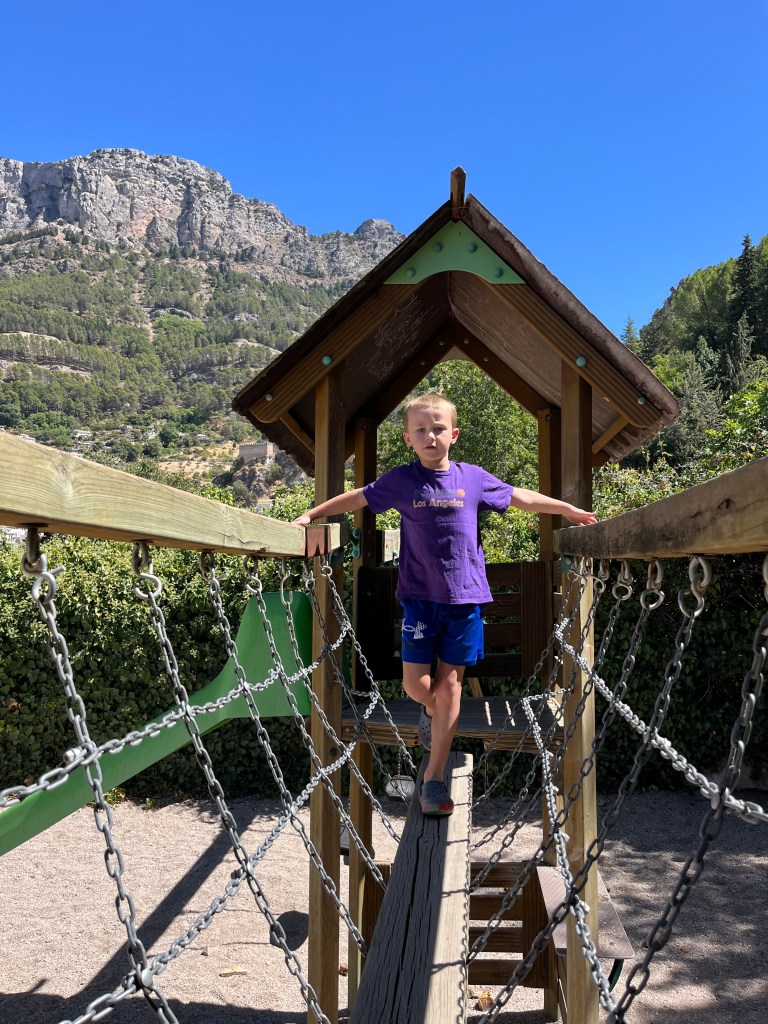
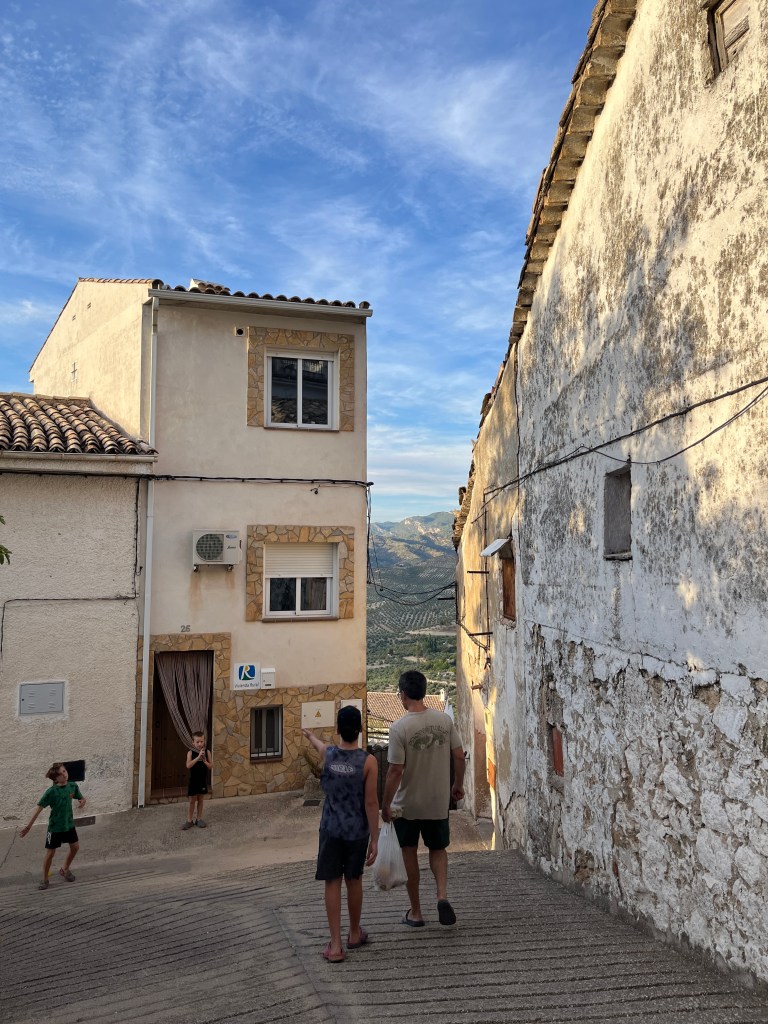
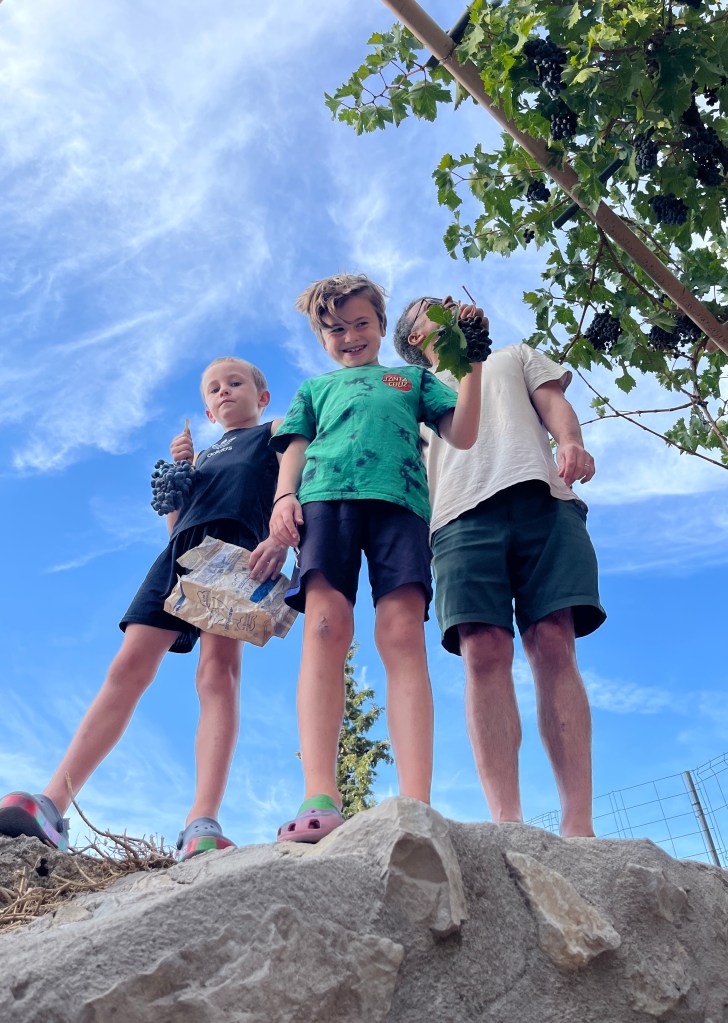
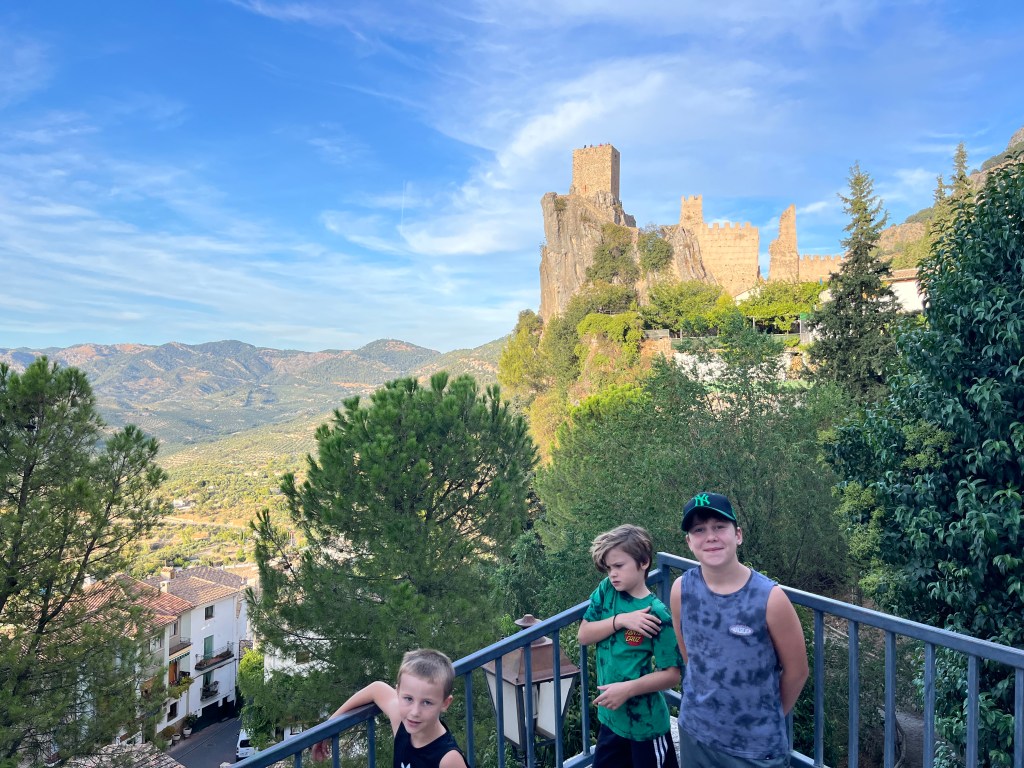
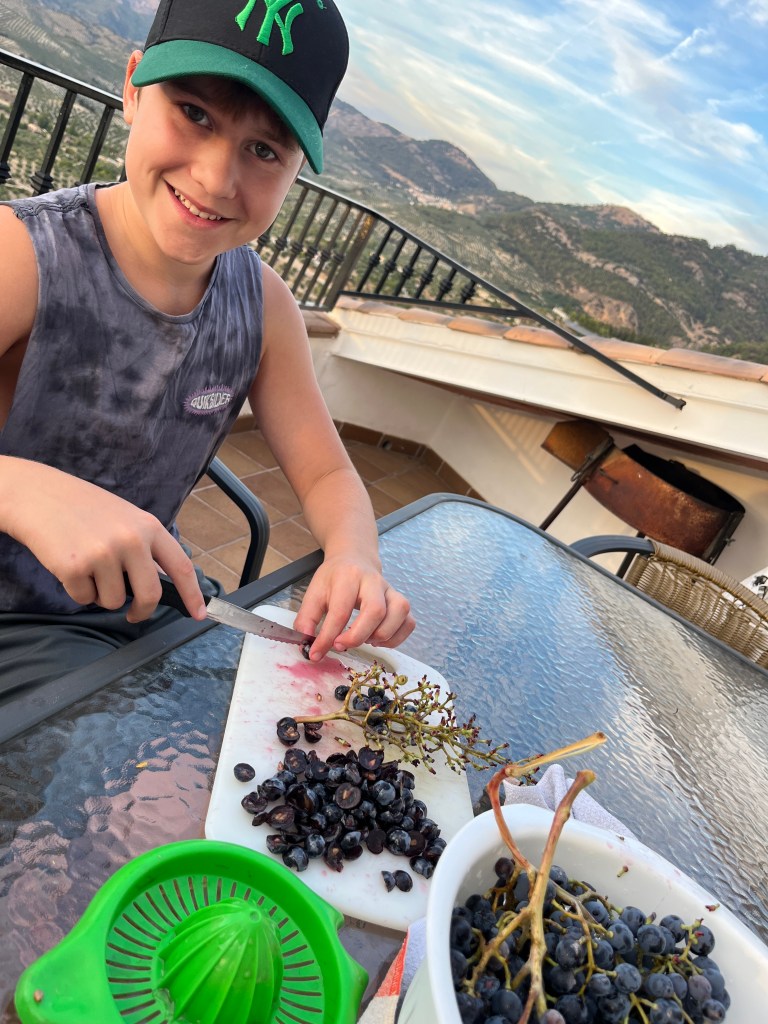
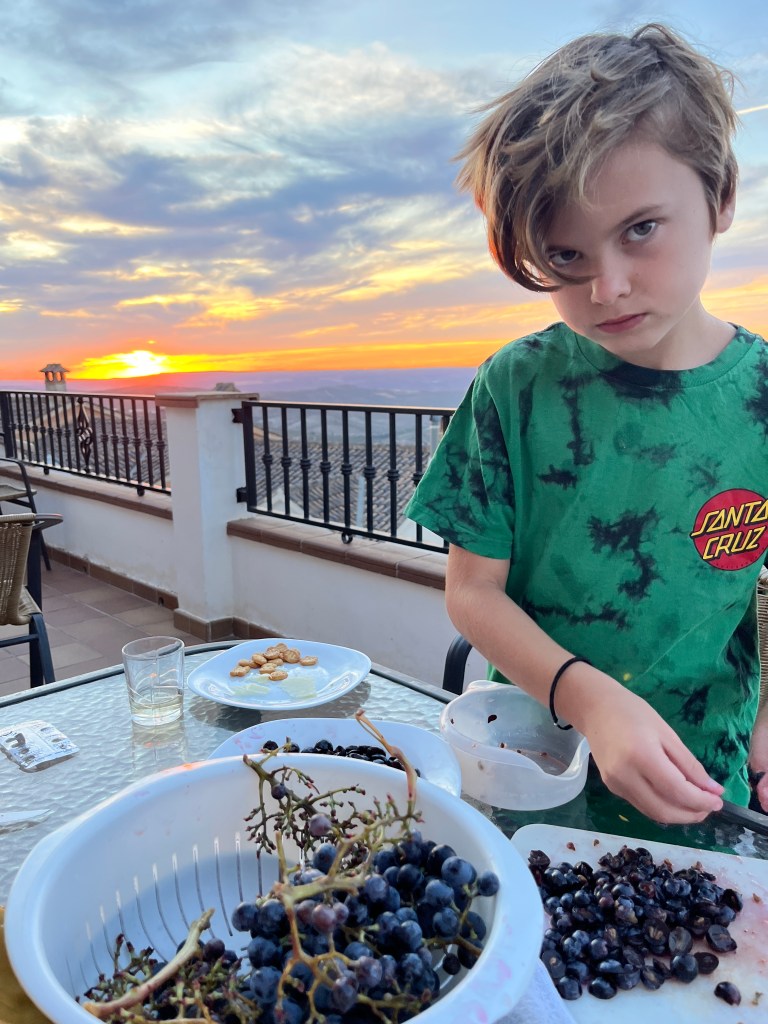
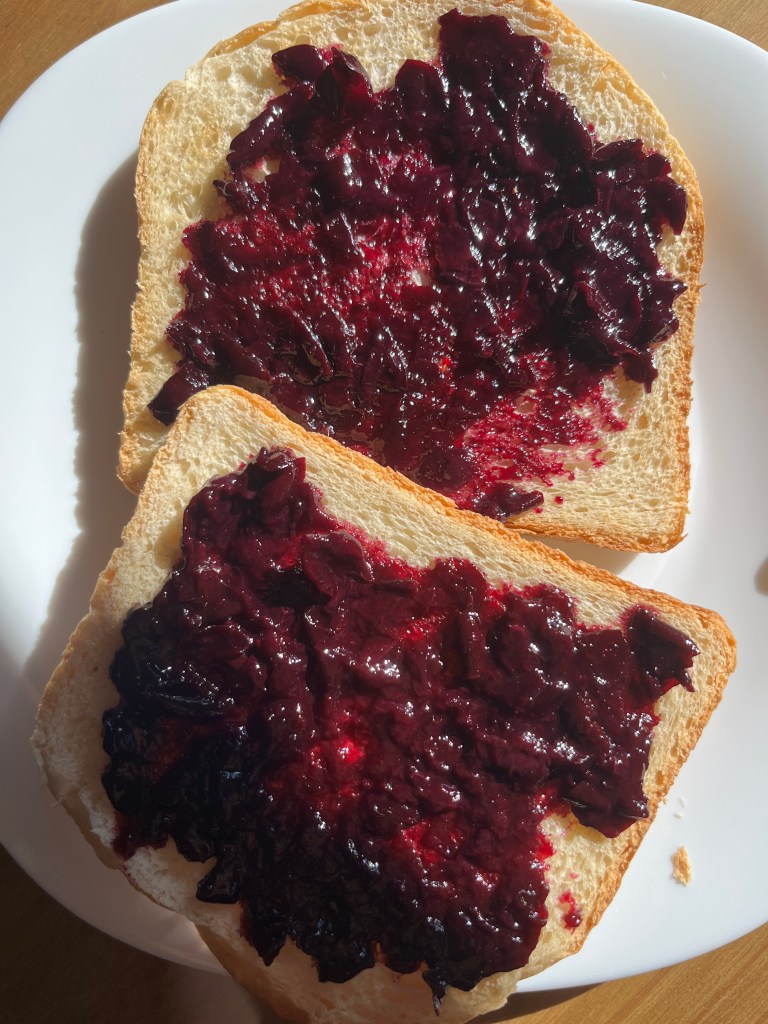
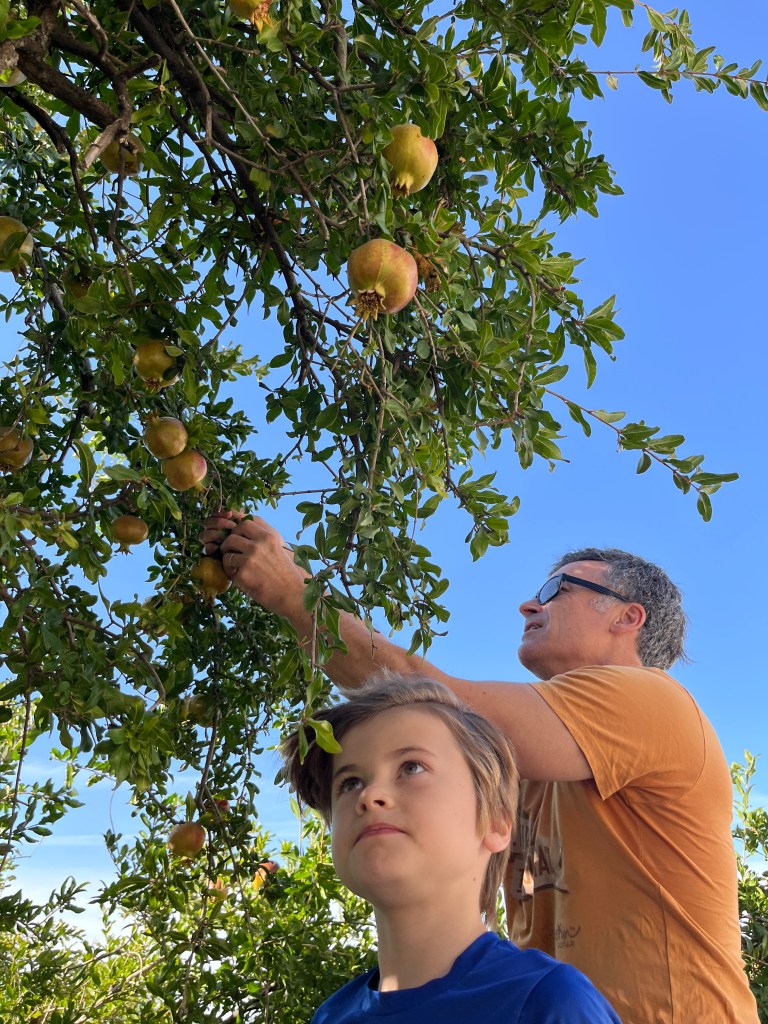
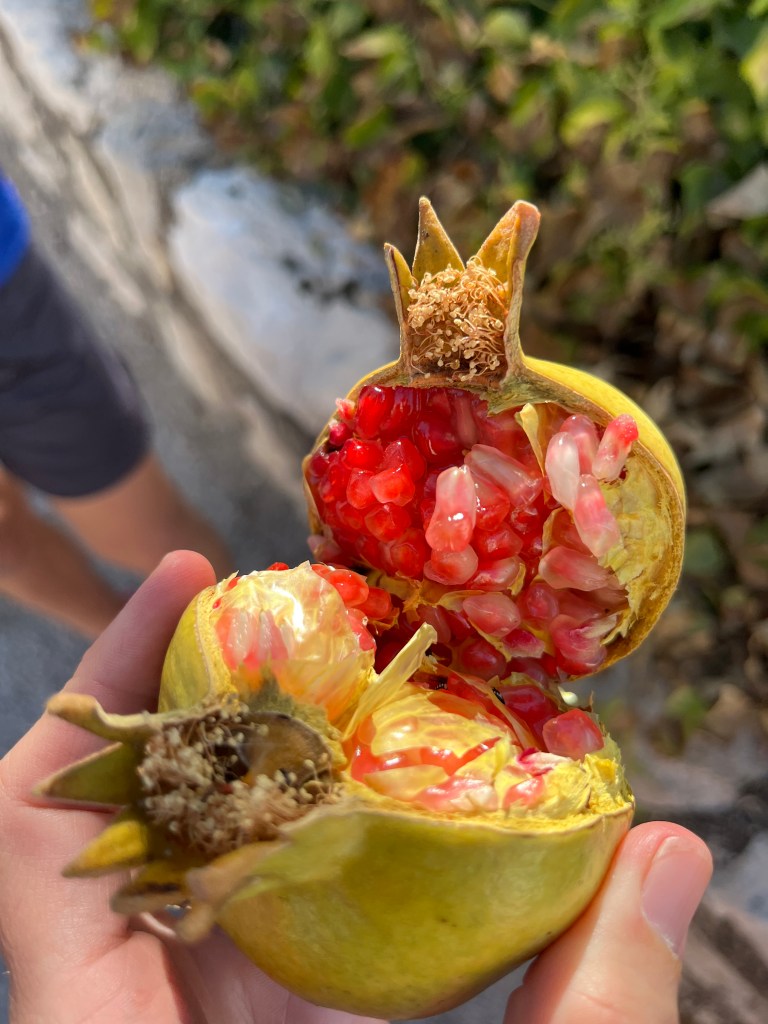
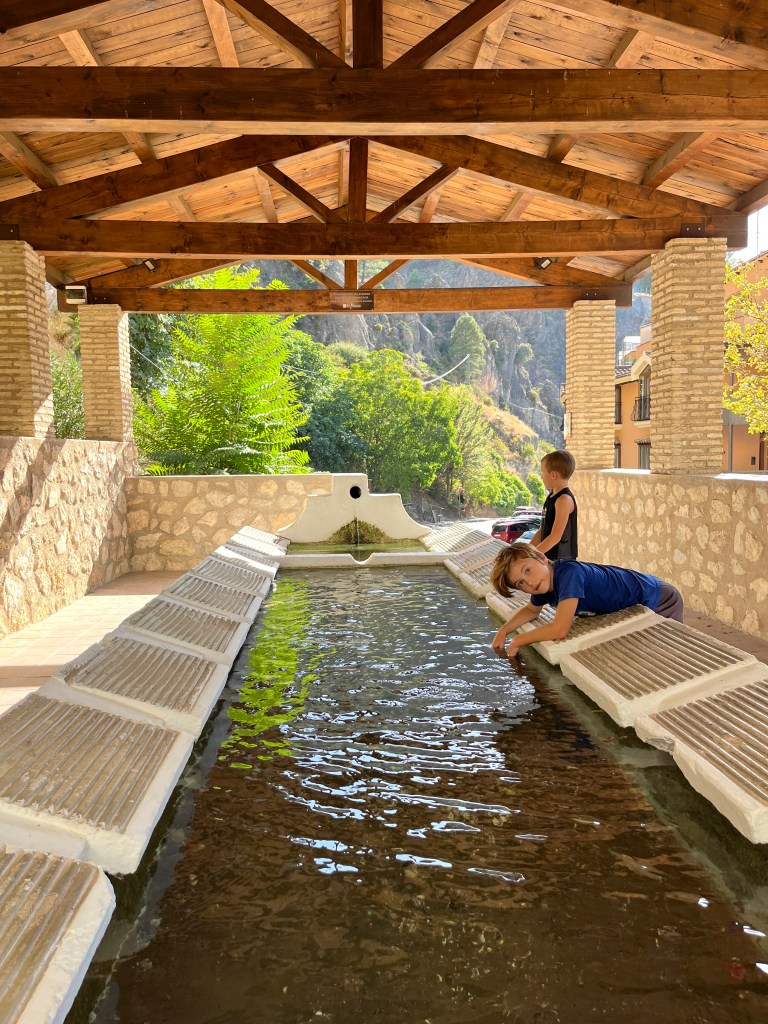
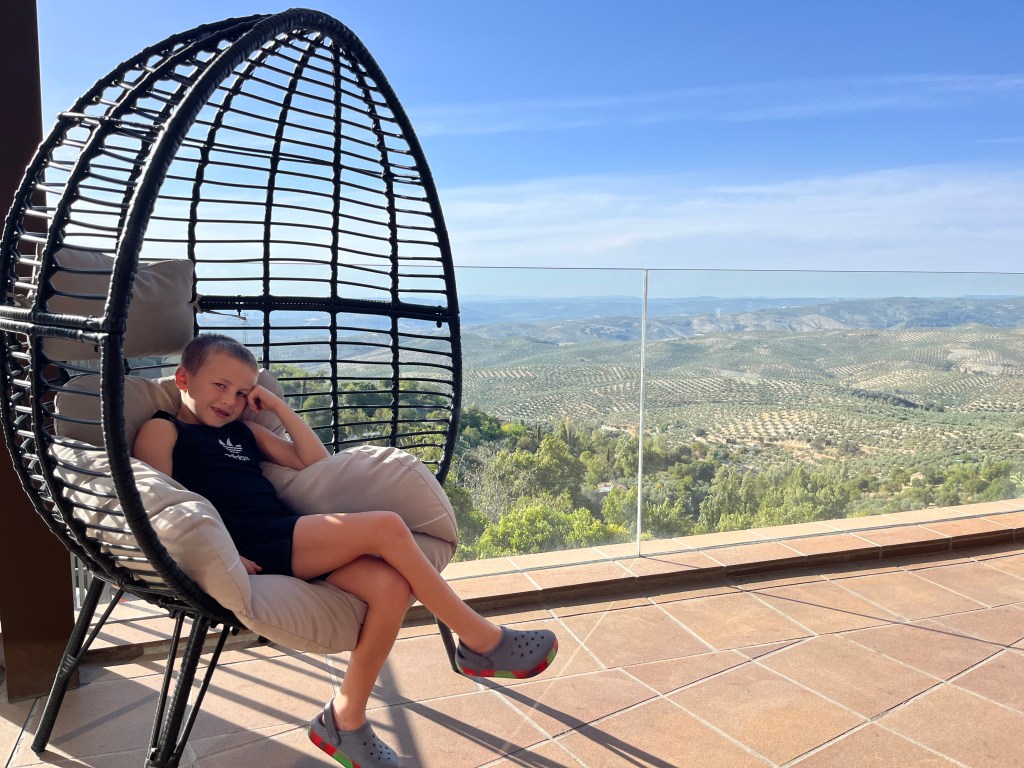
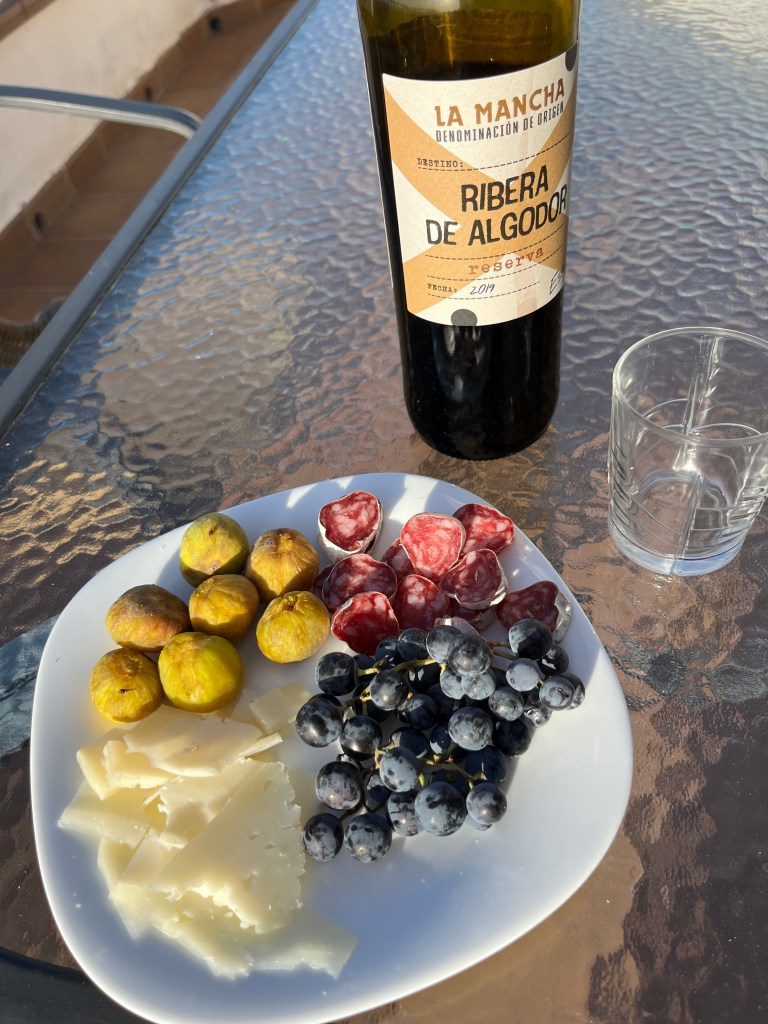
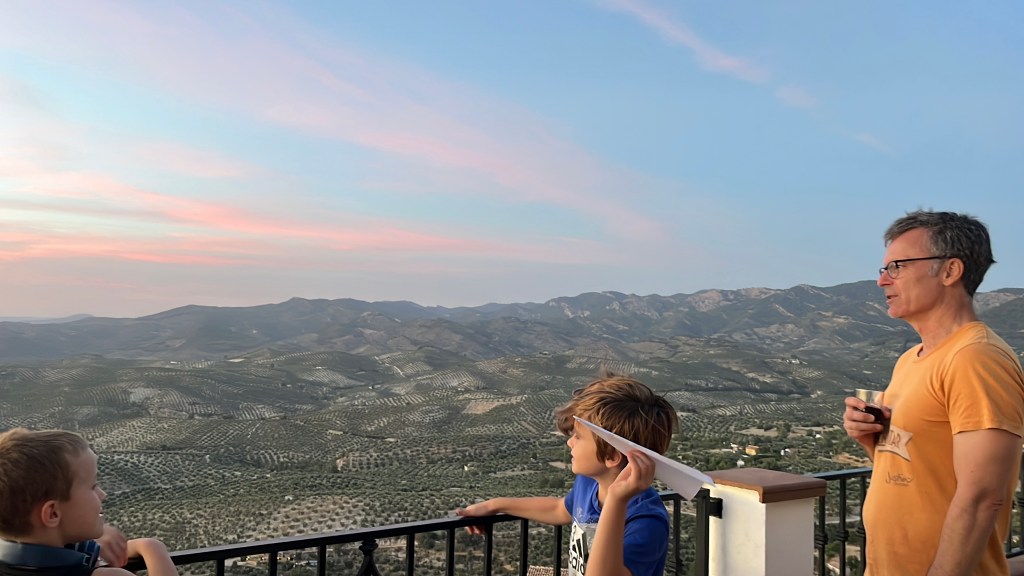
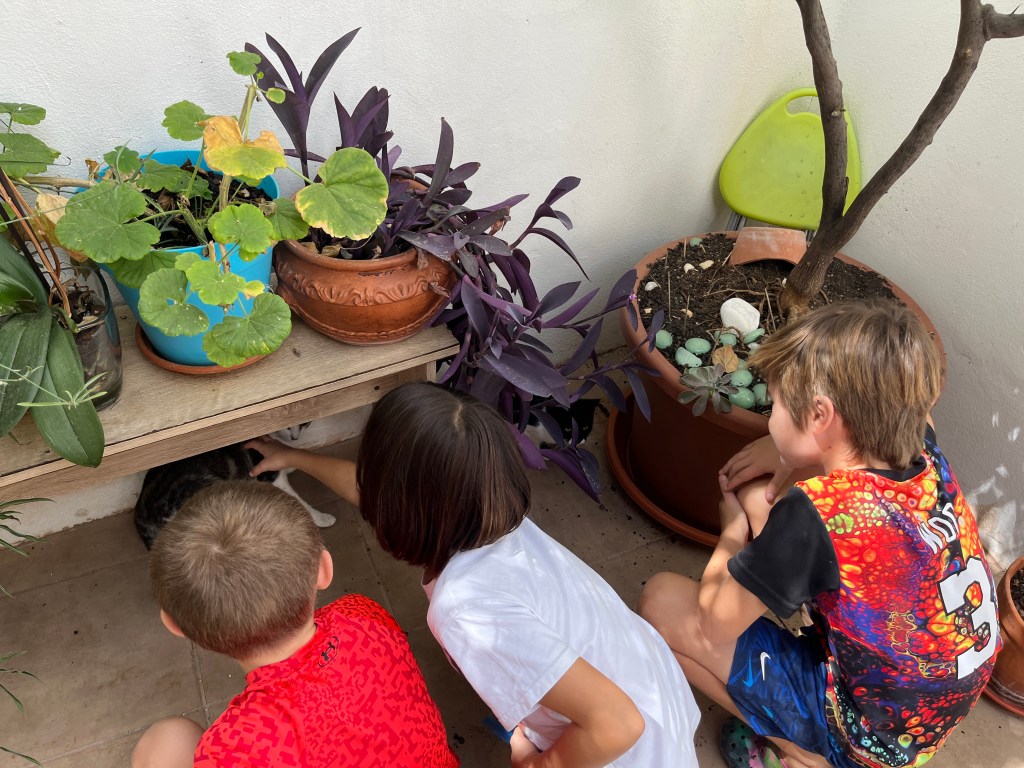
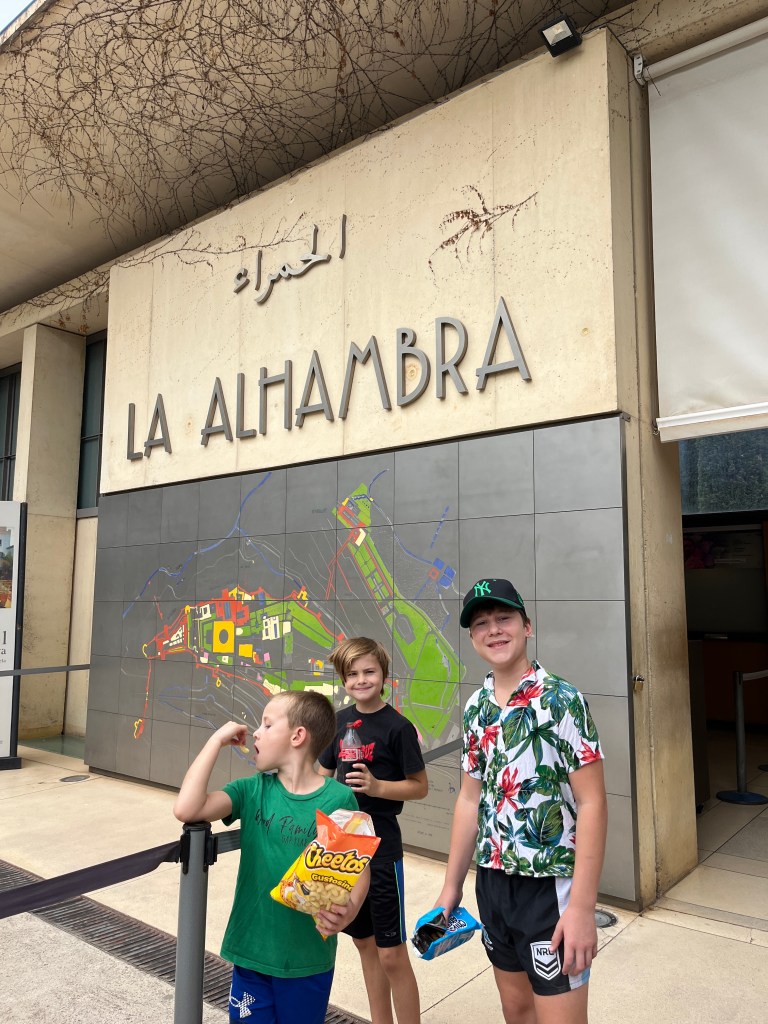
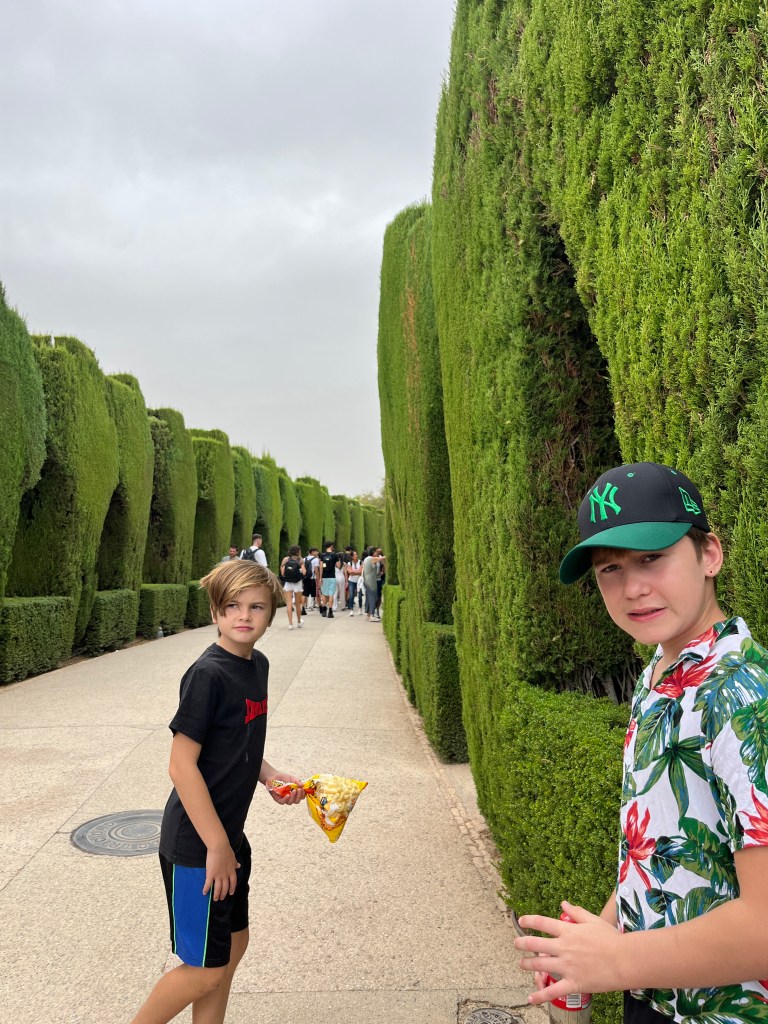
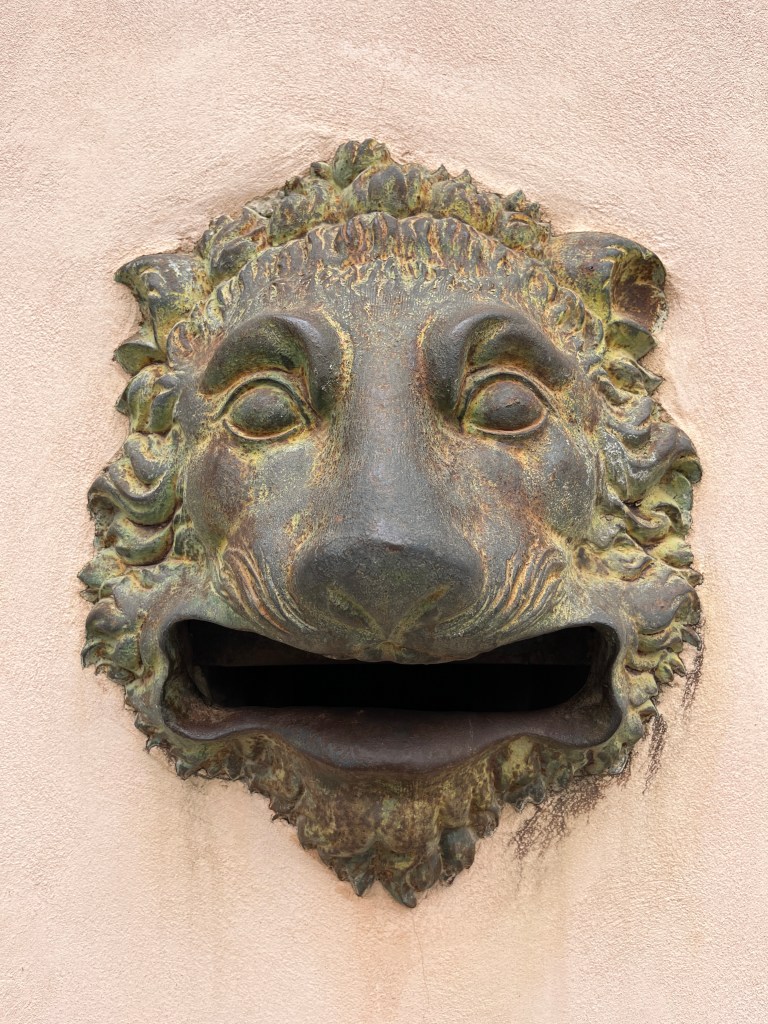
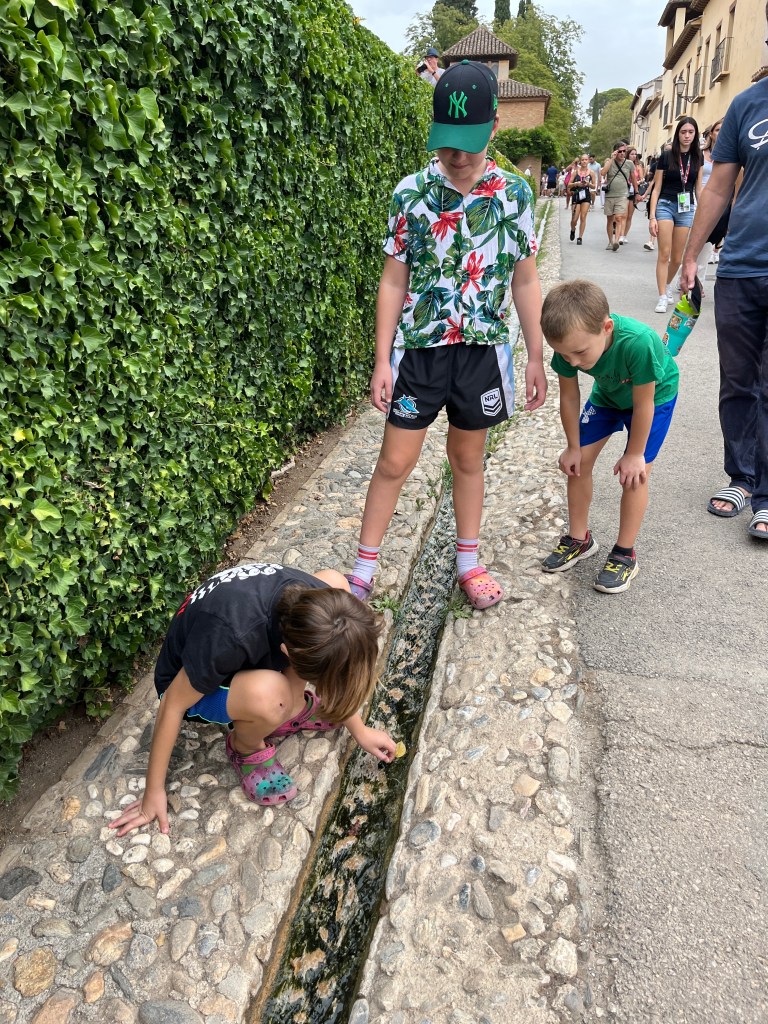
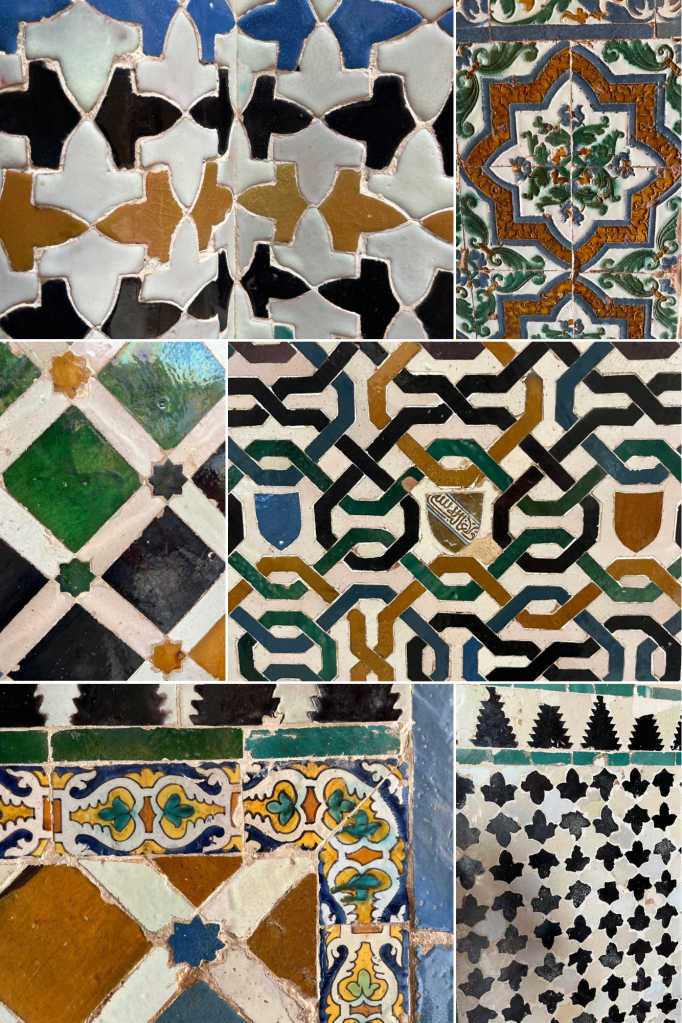
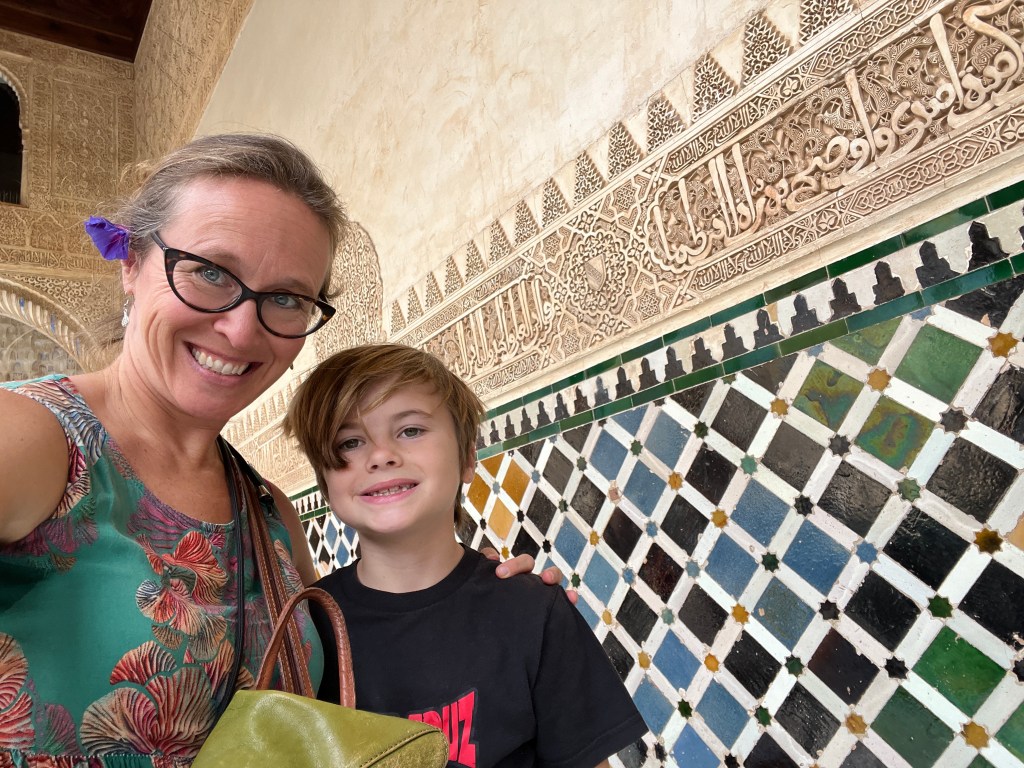
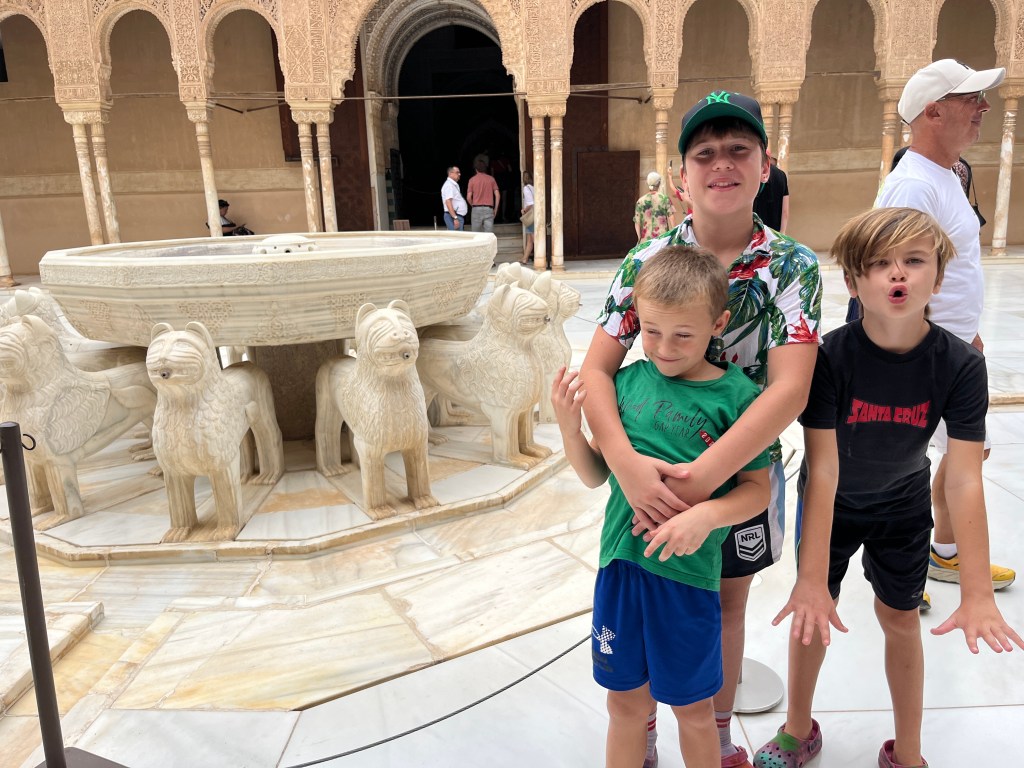
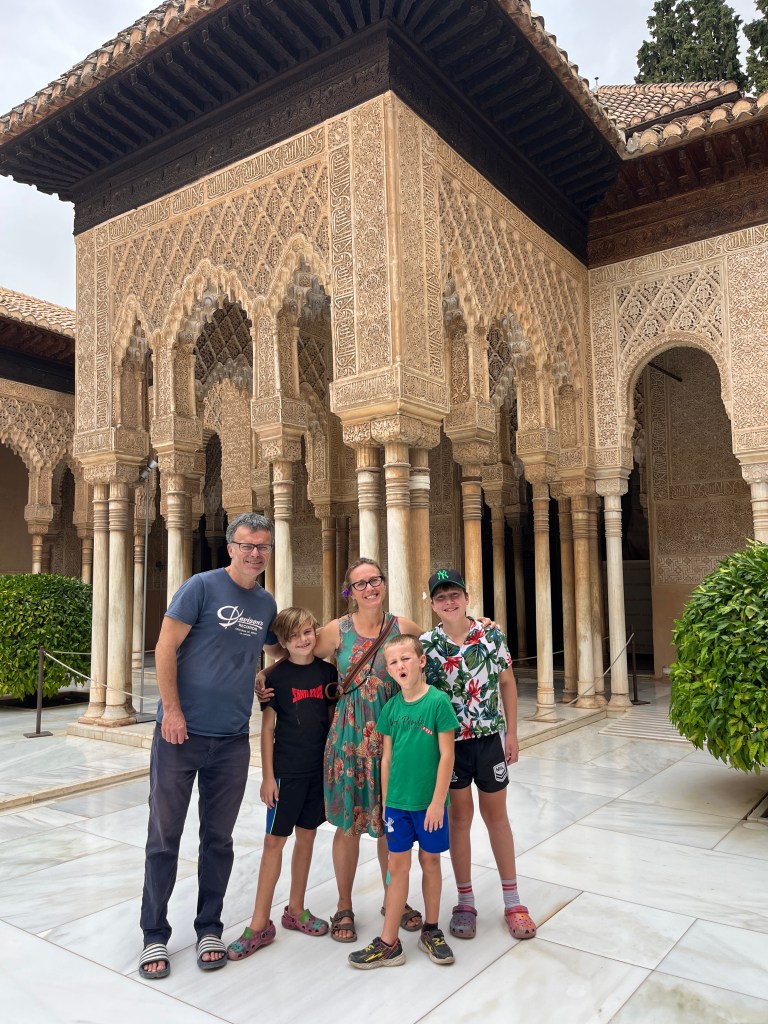
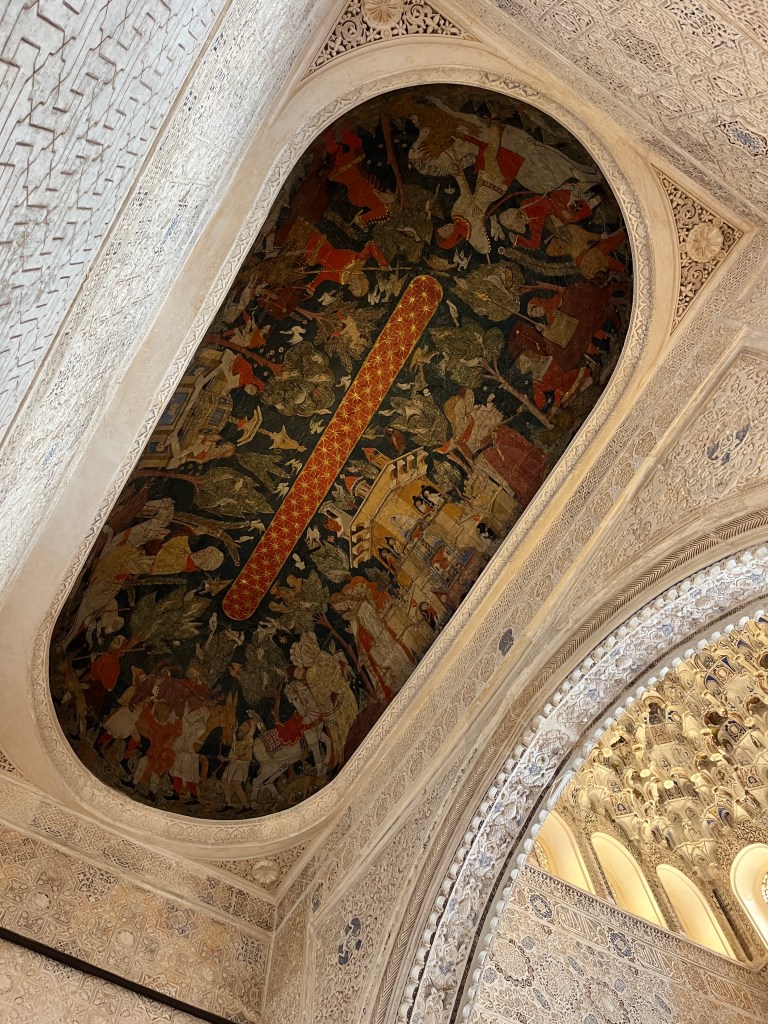
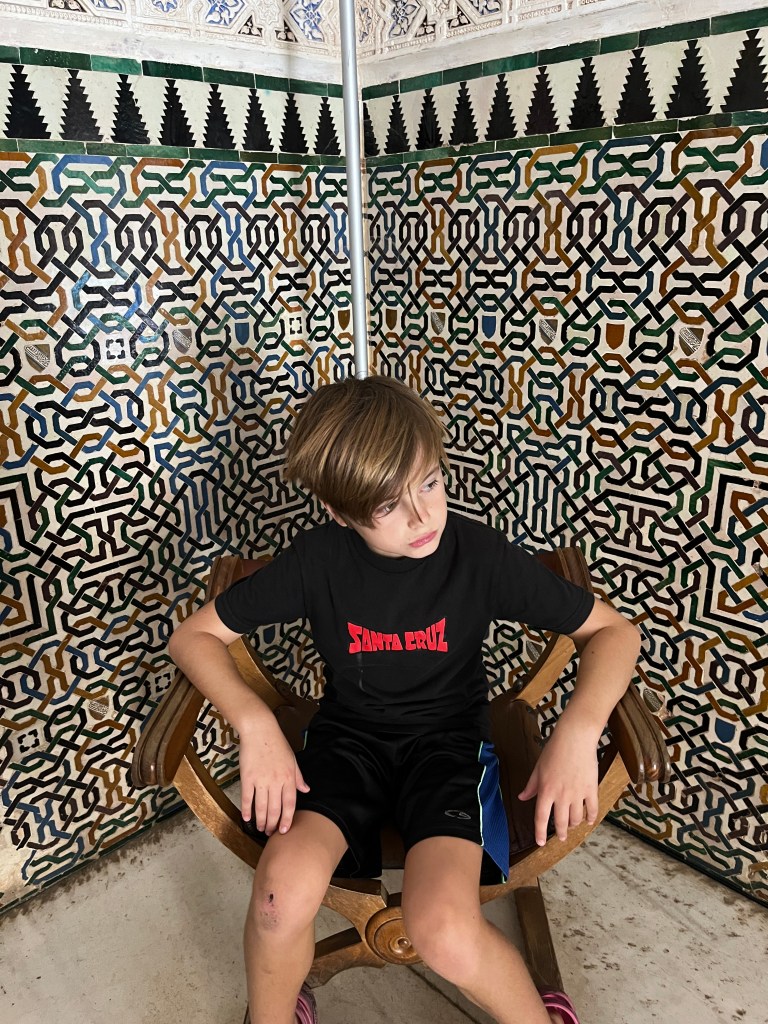
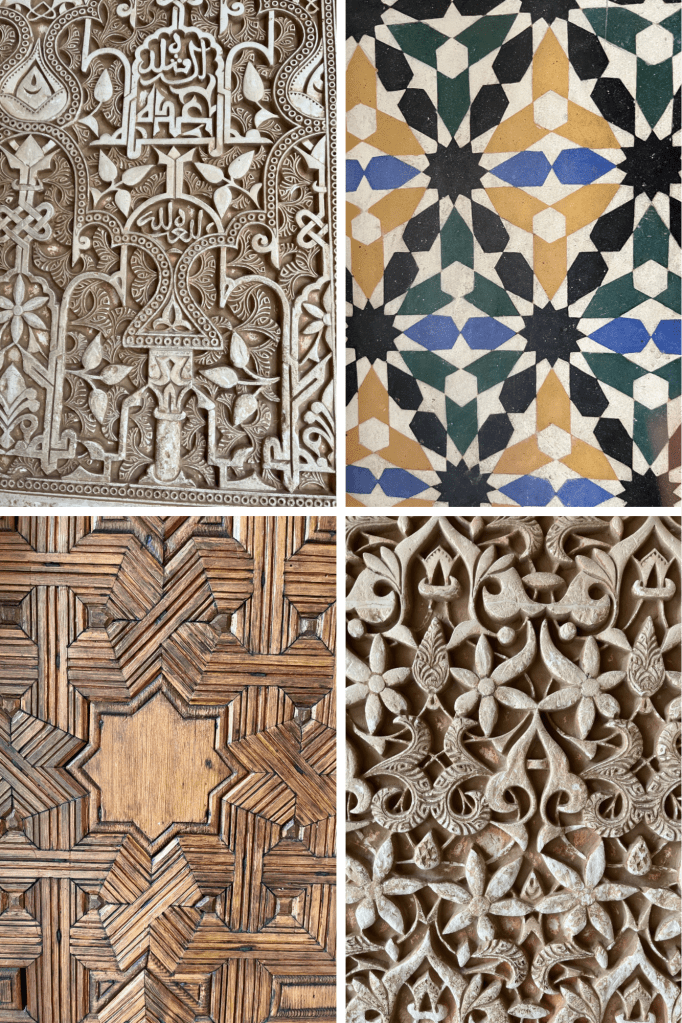
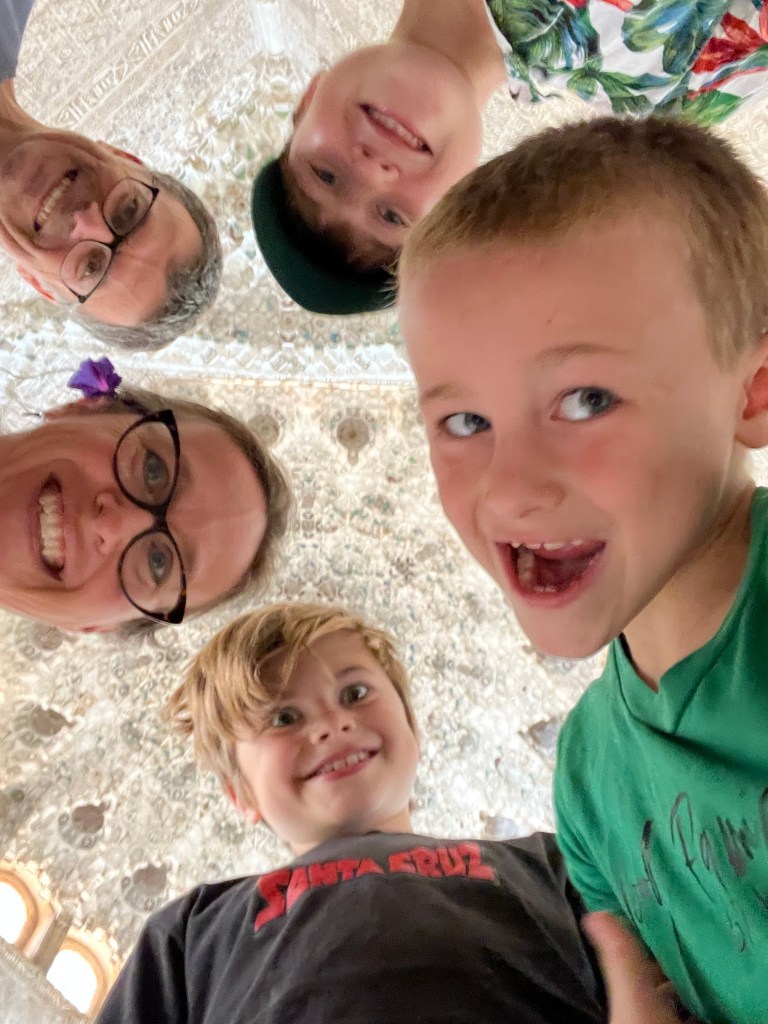
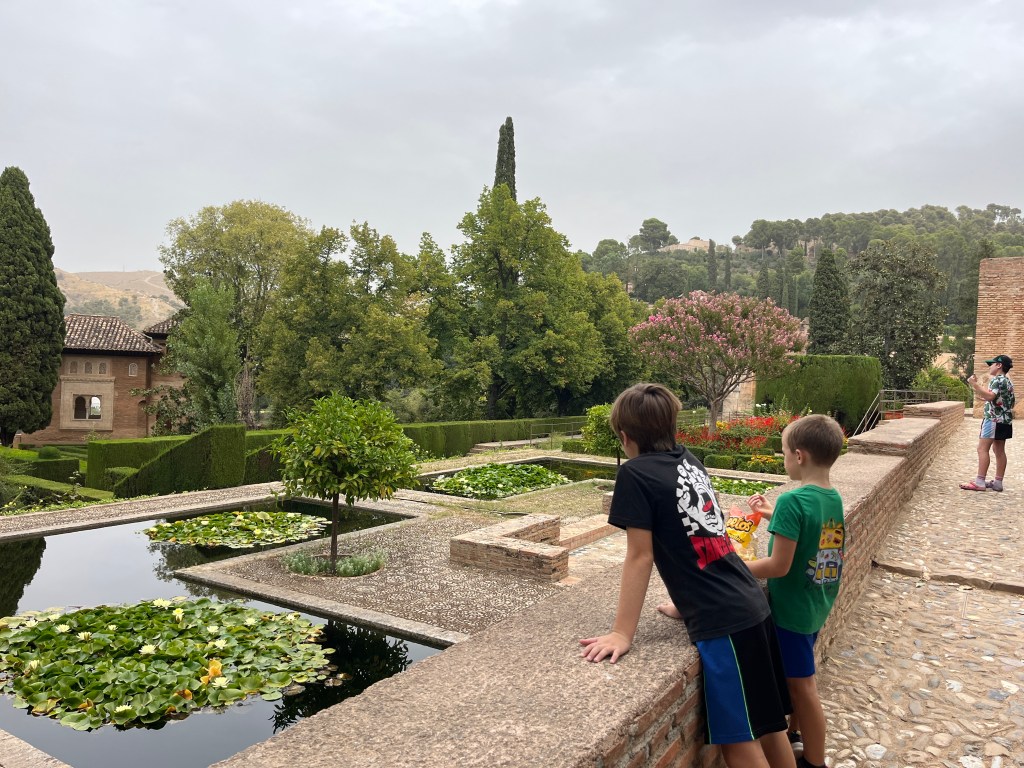
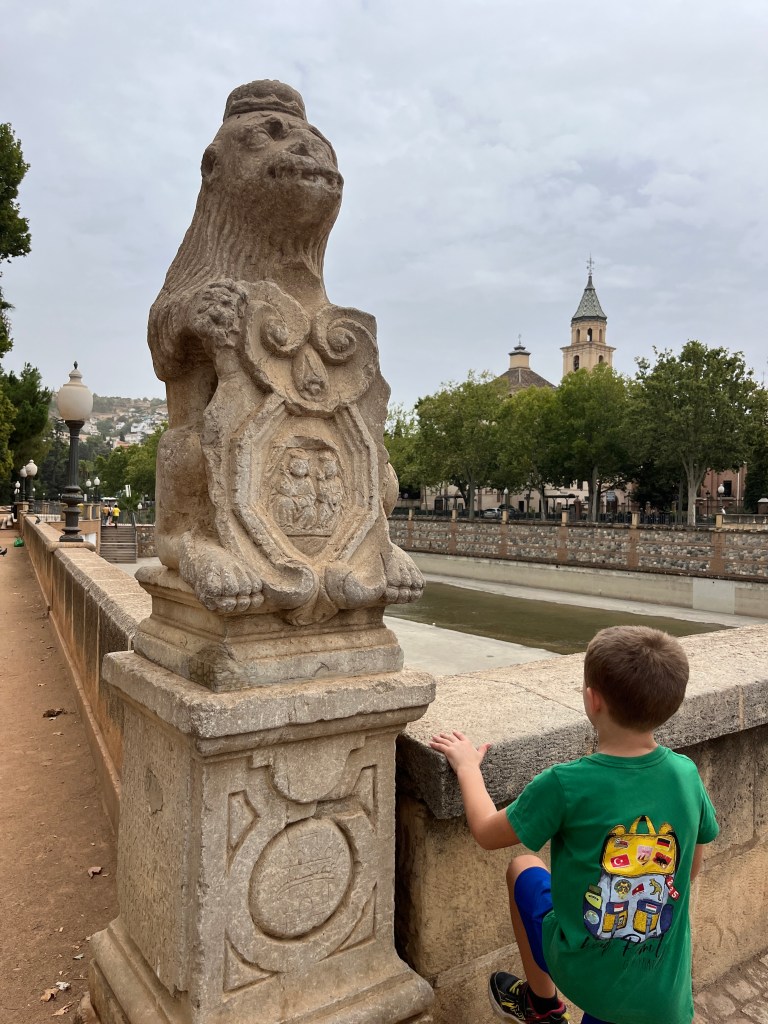
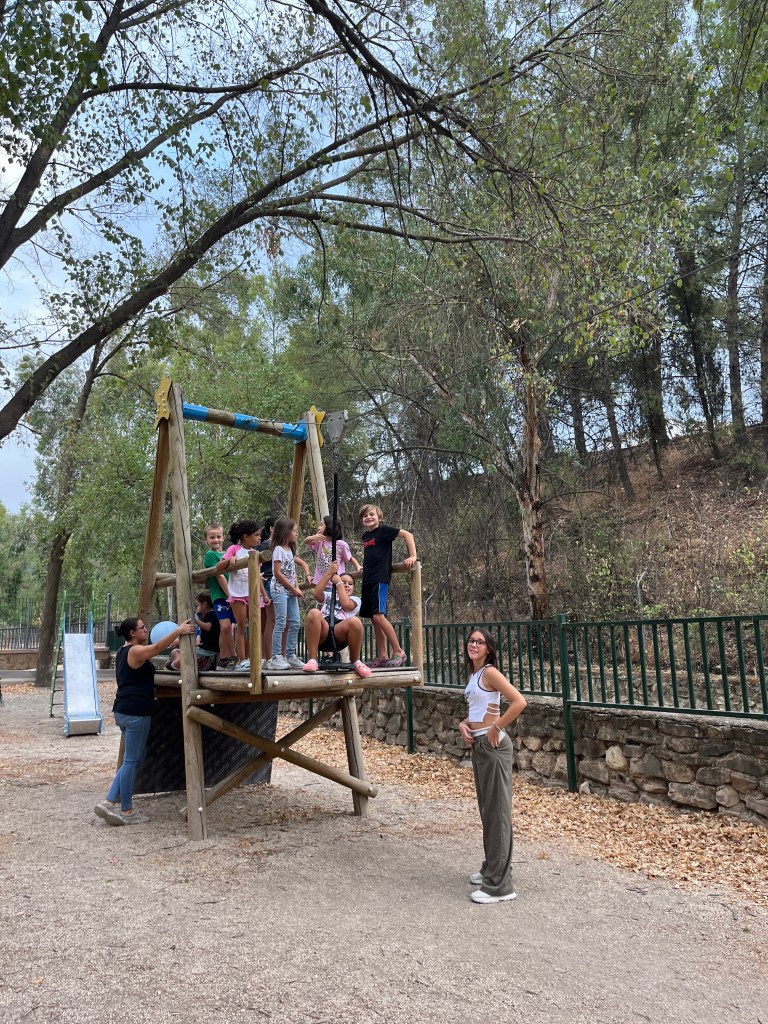
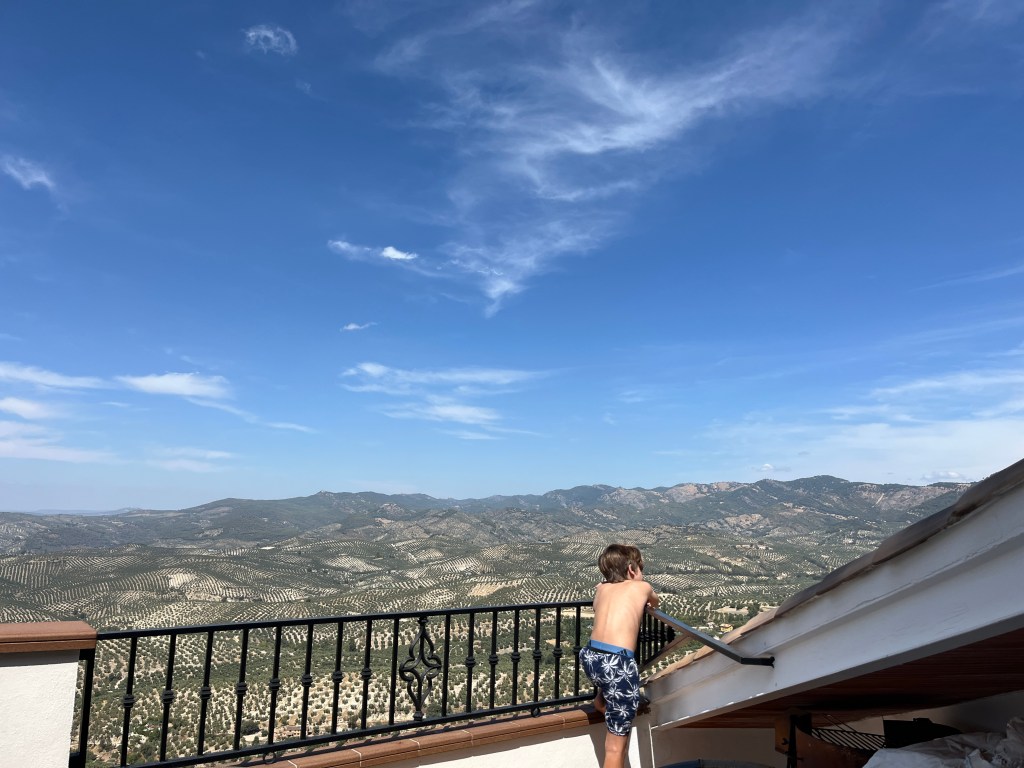
We have been houseguests in Germany, England, Norway, and now Spain, thanks to a beautiful family we have not seen in over a decade. We were very warmly welcomed by our friends in Córdoba last week, and their efforts to show us the beauties of their city and the delights of their cuisine were humbling. If we weren’t before, we are certainly in karmic debt now after all the generosity poured into us under this roof. We had no idea we were so wealthy in the friendship department- another argument in the case for travel’s worth.“Córdoba is a walking city,” our hosts informed us. It was excellent walking and superb chatting with like-minded souls in this golden-hued town. The boys spotted my partner’s moonlighting alter ego- “Blind Guardian”… There is a joke to be made… but I won’t be the one to make it.Chats in Spanglish- everyone wins!The patios of Córdoba are a big deal. These interior courtyards of homes often have a central fountain or well and are surrounded by whitewashed walls covered with plants and flowers. Patios started in Roman times, but the Islamic chapter of history embraced these refreshing hearts of the home, as well. Now, there is a festival each May in Córdoba when all the doors open, and people tour these hidden and historic oases.During our autumn visit, there weren’t many blooms, but these shady, plant-filled spaces were still a cooling respite from the heat of the stark and treeless streets.The main entry to the Mezquita, which is the mosque-cathedral one must visit in Córdoba, is called The Gate of Forgiveness (La Puerta del Perdon). Now, it is the entry to the Patio of the Oranges, the first spectacular space you enter on the Mezquita grounds. In the past, for pilgrims, this massive doorway was an important threshold in the path towards absolution. I think I stifled some grump at my kids on my way through. That felt divinely influenced.You can see the dual religious history of the mosque-cathedral in this doorway of forgiveness. Both Islamic and Renaissance architecture are obvious. This is emblematic of the whole site of the Mezquita. The Moors invaded Spain across the Straight of Gibraltar in 711, taking over the Visigoth Kingdom that had moved in when the Roman Empire fell. Parts of southern Spain were occupied by the Moors from 711 until the completion of the long-fought Christian Reconquista in 1492- the same year “Christopher Columbus sailed the ocean blue.” A good year for the Spaniards.The Mezquita is a fantastic fusion of these religious architectural styles. It is a stunning, rambling, quirky jumble of spiritually-inspired masterpieces. What a spectacular house of worship. It captures how I feel about organised religion. We are all praying beautifully to the same god. We just have our different styles.Columns were often repurposed from other places in the past. Many of the over 850 columns in the Mezquita were no different. They are made of various types of stone (marble, jasper, granite), and some even have special stories, but they are all quite short in stature. One of the most remarkable features of this building is how these squat columns were fitted with double arches to provide greater height and illumination in the prayer space. This innovation creates a unique tree-like effect, as if you are walking through “a forest of columns.” I think you can sense it in the photos.I couldn’t find anything to explain why they are pattered in alternating red brick and white limestone, except for one source that says this repetitive pattern offers a sense of “Allah’s unending nature.” It is certainly distinctive, and it was probably just made of materials that were on hand in abundance.We all deeply appreciated it, you can imagine.Our friends were such good teachers- very knowledgeable and ready to share stories with us. I wish we had had all day to take this space in. This was my second trip to the Mezquita, but I still feel like I didn’t get all I should out of the experience. It is so dense with artistic genius and spiritual messaging. I guess I’ll have to go back again. And probably again.An internal cemetery. All I had attention for was the coloured light of the stained glass window. Next visit…In 1236, a cathedral was built inside the Great Mosque of Córdoba- The Cathedral of Our Lady of Assumption. One of our friends sang here regularly as a child. What must that have been like?These finely carved mahogany choir stalls were very impressive. After our big outing, some lazing about was in order. We hit the pool and then popped on the latest Mission Impossible- in Spanish. We soon had siestas in full effect.A serious siesta schedule is honoured in our friends’ apartment building. Quiet hours 3-5pm.The next day, we visited another Córdoba patio with preserved well, kitchen, and washing room. Water is still running in the well after hundreds of years.The Spanish flag has a the coat of arms, which represents the historical Spanish kingdoms: Castile (castle), León (lion), Aragon (4 red bars), Navarre (golden chains), and Granada (pomegranate). The royal crown symbolises the modern monarchy. The motto “Plus Ultra” means “further beyond” in Latin and indicates Spain’s explorations beyond the known world. The red and yellow colours were chosen for their ability to be recognised easily at sea on Spain’s naval fleets. Some say they represent the blood and gold of La Reconquista.Our trip back into town brought us to a fine water source within the Patio of Oranges.Ancient irrigation for the orange trees.Olive trees can live for thousands of years. And some of them look their age. Wonder how old this guy is.La Calle de Los Flores – The Street of Flowers is in the heart of the Jewish Quarter. It’s probably more flowery in other seasons. Having the leg of a pig just sitting in the corner is common around here. The curing of pork was a practice introduced by the Romans, making a cheap and sustainable food source for the masses. During the time of the Spanish Inquisition, when Jews and Muslims were targeted for persecution, execution, and expulsion, the local ham, jamón, which is not eaten by people of these faiths, was used as a way for people to prove their Christian beliefs… or not.Such bright moments with such bright friends. Our hosts kept telling us to stop saying “thank you,” which, of course, we have well-trained our children to do. The reason explained is that we are close enough that such manners are not necessary or appropriate… and are actually sort of annoying (if I gathered the vibe). It was funny to see how well-programmed we all were to throw out this phrase at every turn. It was tough to unwire our cultural conditioning. And, what is one to do with all the feelings of gratitude that rise up with an onslaught of generous deliciousness? It’s hard to redirect genuine expressions of gratitude.This meal was love. Pure. Spanish. Love.Back “home,” a sunset welcomed us in La Iruela.Fig fun involves climbing around abandoned lots and tossing down the goods to be caught in a dress. I think the trick with figs is that they are eaten right off the tree. Figs always seem a bit borderline in the shops. They are almost 100% perfect when we pick them… but if we leave them for a day, they look pretty sad.Brotherly lessons on honeycomb.One of many amazing door-knockers. This hand was the size of mine.This is La Iruela’s Fountain, where you can come to fill up your bottles with cool, clean water.Another Fountain FaceThis was an olive oil tasting (ordered on accident) from all the groves we look upon from our balcony. They were surprisingly distinct from one another.Amazing views are everywhere in our neighbourhood.A pretty awesome restaurant playground saved us from grumps this meal.This tree has the coveted (by us) yellow, honey-flavoured figs.Then there are the super dark ones, which are also amazing. I think this shirt will always remind me of fig skin from now on.This is our front door with bug-deterring plastic strips. We asked the locals if we could steal some of their amazing grapes. They were happy to oblige.Plans for jam were quickly made. These grapes were delicious… if a bit seedy.I don’t know how we ended up in such a beautiful village, but it is not at all wasted on us.The boys were thinking about making jars of grape jam for sale, but the labour of removing the seeds proved to be too much. One jar for us was sufficiently fun.This balcony… These boys… These fleeting suns….And this jam. And the pomegranates were busting open and beckoning with their pink little bursts too…… but they tasted like dirt. Don’t get jealous.Near the pool, which closed at the end of August, there is a neat site where women used to gather to wash clothing together for hundreds of years. It’s cool to imagine what conversations passed over this giant water basin- how much gossip, laughter, and consolation must have been shared, how many women played out all the chapters of their story with regular visits here. It would have been quite different in the mercilessly hot summers and the icy cold winters. It’s annoying to think that this was “women’s work” from today’s perspective, but I bet a lot of women relished this time.From a hotel bar, a boy chills in a chair.Ingesting SpainA day of great winds called for more paper airplanes.Lunch at our friends’ place meant cat play. (I didn’t take enough photos here. That was a crime considering the gorgeous Andalusian lunch we were provided. Can’t be on it all the time, I guess. It is a testament to the meal that I was too absorbed in its flavours to remember my camera.)This is the last big site to take the boys- La Alhambra in Granada. This fortress palace was built by the Nasrid Dynasty, the last Muslim dynasty in Spain. This military stronghold was the last to fall in the Christian Reconquista in 1492. Just a day trip away, we managed this little conquest quite well.The hedges here have been given a lot of attention to return them to their former glory. Lots of signs not to touch the plant life.PostboxArtful waterways channel this crucial fluid throughout the palace fortress and its spectacular gardens. The boys liked racing leaves.The name Alhambra comes from the Arabic word for “The Red One” because it is red-tinged… but not noticeably to me. Maybe centuries of sun have bleached it some.The tile work is one of my favourite aspects of this site.There are so many patterns to admire. Grand Wizard Google just taught me, “The tile patterns in the Alhambra, known as alicatados, incorporate all 17 possible types of repeating symmetry found in flat surfaces, a testament to the mathematical sophistication of the designs.” There you go.The plasterwork is another feature to respect. Many of these intricate designs contain versus from the Quran. They are said to “whisper” of spiritual significance. If the place hadn’t been so overrun with admirers, maybe we could have heard this.The “honeycomb” ceilings were jaw-dropping.The Court of Lions is a significant architectural space in La Alhambra. We just pretended to be lions. So this chapter goes…We look unnaturally static in this photo. When do they ever all have their arms as their sides? Never! I think the revealing cleavage of the woman taking our photo might have stalled them for a moment. Not enough time or attention to fully appreciate any of these spaces. It’s been a theme of the year, but I still try…A Pause in Geometric GeniusCool bros whatever the backdrop.We could probably have done an amazing lesson on geometry here, come to think of it. Our true vibe is evident here.The massive gardens are another aspect of this site. The palace-fortress is so big that there are multiple tours you need to choose from. We didn’t do the garden one.You still walk through a lot of gardens though.As far as greater Granda, we didn’t see much. We just had a quick lunch.We had to hurry back because we had a 9-year-old’s birthday party to attend.It is amazing to me how all three boys just run off and play, communicating in all manners with local kids, making friends, swapping culture and smiles. And, I managed to do the adult version, having very interesting conversations in my Español de Tarzan. Spanish people are the best at not allowing an awkward moment. Really, this must be one of the best cultures in which to learn a language. People are curious, patient, open, and ready for a laugh- at you or themselves with equal gusto. So gorgeous.Back in La Iruela, we are soaking up the last days of our happy perch. All these olive trees make Spain the number one producer of olive oil in the world. We can drive for hours and pass only rows and rows of these old gnarled beauties. Each tree can make between 2 and 6 litres of oil per year. All these irregular lines of olive trees at various stages of growth follow different bends and curves of the land and give this landscape a wonky grid-like atmosphere that I very much enjoy.
And so, just like the grapevines on the balcony in Ohrid, the strings of peppers outside the homes of La Iruela are marking the passage of time. The once shiny red spears are now wrinkled and blackening into wafters, their flavours deepened by this dry Spanish sun. We’ve felt the winds turn from a furnace breath to a freezer door fanning. Summer has faded to autumn. And, Nature’s time-keepers are giving us the nod. Our season here is over. It’s time to pack up once again. These Gap Year sands grow thin. Not much more of this story to go.
I have really enjoyed these reflections on your year away. This is worth publishing!
We are away from October 5th to the 30th .(going to Slovenia to meet Lily and Dilshan for bike riding then onto a boat for a week)
I am wondering if you and the family (and pets) would be available to house sit for us during any or all of this time. Not sure of your plans. At present it will be sitting empty which isn’t ideal!
I would also like to catch up at some stage. .. even for a coffee if you are back before then. Unfortunately I am away for the Berry Practice catchup lunch.
Wow Dede…we were soooo happy to be a part of your Spanish adventure, and thankyou for your yet again brilliant story, and equally fantastic photos!!! We are still laughing about your comment with everybody standing static in that family photo, probably distracted by the photographers overwhelming cleavage haha. You write with such deep introspection, and we are so grateful that you are prepared to share it with us because it in turn makes us think about things, not quite on your level, but at least you start our journey too. We are really going to miss your blogs Dede, you resonate with us like no other. You truly are a genius, and it’s such a privilege reading your inner thoughts and sharing your journey!! Thankyou thankyou thankyou!!! Xoxox





















 Mapping the Gap
Leave a comment