I have been considering the things we do not do in life. Whether we choose inaction in full sobriety or we fail to show up as victims of inertia, distractibility, or our good friend Fear, the things we do not do can be quite significant to our story. They can define us. Our careers. Our relationships. Our travels. Our impact. A life’s trajectory is built as much on inaction as action. Upon completion, the shape of a life could be said to arise as much from the negative space of what we did not do with our days as from the positive space of our chosen deeds.
I began this Lake Ohrid leg of the trip thinking I would have a blog post called “Stick Shift.” I liked that name. It seemed to pop in my mind when I came upon it. I love when words do that. Taken out of context, dug out of the middle of a sentence, some words stand quite well on their own. They just have panache, a bit of POW. They cast a shadow you understand will be significant. Stick Shift. I liked it, but it didn’t play out as I’d expected.
The inspiration for this title comes from the idea that I have never learned how to drive a stick shift. At 16, we only had automatic cars in my family. I’ve had a couple people give me one-off lessons over the years, but I’ve never had a chance to really practice, never the situation of “need” required to get cosy with the mechanics and feel of a manual transmission. Having been fortunate enough to live a pretty well-educated life, this inability has always felt a bit undermining, like a gap in a handsome hedgerow.
Here in Ohrid, I was set to put this right. I was thinking, “We’re here for the month. We have a manual car. My partner is working. I’m on kid-duty. Now’s my chance. I’ll learn how to drive a stick.” Welp, our days in Ohrid have dwindled to none. And, that didn’t happen. Didn’t need to, in the end. We actually found ourselves so well-positioned that the kids and I have been happily entertained by where our feet can take us and where our bums are planted at home.
Also, it’s hard to believe if you haven’t seen it, but just getting into a car peaceably in our family can feel like a holy act of God. The boys seem to have electromagnetic fields around them that consistently draw them into one another and then violently repel them apart. As we walk down the street, I am often positioning myself between the boys for fear of an imminent zap. We see this shocking script play out again and again as daily routine. There is the buzz of charged magnetism, the arc of electrical current, a violent discharge of energy, and then a glowing-hot fallout to manage. This is our current life, the biting current flowing through our days. We’re almost used to it. I’m not sure that’s healthy, but, surely it’s temporary. Or so I tell myself.
In this highly charged atmosphere, you can imagine, car rides aren’t fun. I sit in the hump seat in the back of the car on most of our family road trips, a buffer to these cuttingly charged collisions. (Except in Turkey, where we had an automatic… then my partner manned the hump station part of the way.) Anyway, my point is, even if I was up to getting behind the wheel and repeatedly jerking my children’s vertebrae as I kill the engine on the narrow inclines of our stone-walled neighbourhood while Macedonian drivers impatiently lined up behind us, there might be a bloody cage fight happening in the backseat as I did. So, maybe now isn’t the time for action.
And, that’s sort of my point, the subject of my present reflection. Despite being a great proponent of acting with boldness in one’s life, any given “now” isn’t necessarily the time for all actions. And, I’ve realised it is my work as an advancing human to navigate this concept along this rare stretch of long-term family travel. As the Turn, Turn, Turn lyrics go and Ecclesiastes 3:1, “To everything there is a season, and a time to every purpose under heaven.” Now is not the time for many purposes, I’m finding out. And accepting this fact is part of my learning on this trip.
There is a lot we “do not do” these days. Things I want to do but can’t. All parents suffer this adjustment when they have kids, letting go of all the easy things they once did, all the adult things that are now impossible. Then you slowly get it all back as the kids grow up, right? Well, there are still some of these normal-range “do not dos,” like wine-tasting cruises and such, but there is also a lot that we “should be able to do” at this stage but cannot because of the inner struggles our family carries. Accepting what we are incapable of doing can be a real challenge to achieve without burying resentment along with our unfruited aspirations. I’m trying to keep the junk out from under the rug on this front, to keep in mind all that we are doing, instead. It takes some self-talk to accept our limits with honesty and grace.
“That’s not who we are right now,” is something I frequently say to myself. When we pass an alluring sign pointing to a ruin we could spontaneously explore, when we spot the perfect table at a seaside café, when we see the ad for an audio guide at a museum, I say to myself, “Nope. Not this round. That’s not who we are right now.” There’s a lot we aren’t doing these days. And I’m working on being okay with that. “Know thy self,” Socrates said. “Know thy children,” says the Gap Year mom/mum.
On an epic trip like this, I am grateful for my advanced age (45) for this reason. Daily, I am thankful to have lived long enough not to be plagued by the FOMO phenomenon. This fairly new-to-me expression is an acronym for the Fear Of Missing Out- the fear of all we “do not do.” It’s a modern development, I think, or, at least, it has been made much more pervasive thanks to the internet. Social media shows us all the edited bite-sized beauty other people are living and makes us feel our lives are falling short. We are missing out. It’s an awful thief of satisfaction, one of the great plagues of modern-life. It is wreaking havoc in the minds of our youth, in particular. Seeing so many curated images of other people’s worlds can leave an unquenchable thirst in the midst of a totally blessed and fulfilled life. Such a shame to live in paradise and lounge in the hammock of lack. We all do it a bit.
This trend of FOMO experience is also fed, I think, by the sickening abundance of options available to us in so many realms of modern existence. Netflix browsing, the online shopping scroll, eBook selection, wine purchasing, holiday planning- such an abundant array of options is available to us. Even when we have made our choice, we can still be haunted by the selections not chosen, our elected course tainted by all the paths not taken. It’s an effect of our spoilt-for-choice culture. Satisfaction has become accursedly evasive for so many of us. It reeks of a warning. Human civilisation may be climbing too high, expanding too far, digging too deep. So high, so far, and so deep that we may soon meet our demise, I’m afraid. (I’m a bit of a fatalist… but in the way that makes one “seize the day,” you know? The cheerful fatalist. The bold kind.)
Luckily, I don’t harbour this FOMO often. And neither does my partner. If we did, we’d be suffering big time. I guess this disposition comes from the many gifts of being midlife. First, before we had kids, we had both already done a great deal of dopamine indulgence. We had lived as we wanted for a nice long time. This is the beauty of having kids later in life- lots of satiated whims to bolster one’s life-satisfaction through the hard miles of parenting. We enjoyed those fancy free days, but, I must admit, we both feel the piper we now pay is quite the greedy extortionist. Regardless, there is a gift in this. “Seeing and doing it all” is not our aim. “We’ll see what we see,” is the more appropriate motto for this season. There is a very middle-aged calm to our approach, much more chill than my FOMO twenty-something self.
Secondly, presumptuous or not, we are young enough to have confidence that days lie ahead which will afford us more opportunities for light-hearted adventure and pursuits of curiosity, days without the demands of little growing humans. All that we “do not do” now may be done down the road if we really want to. Maybe we won’t do it exactly, but something equally as cool is very possible. This too bolsters our satisfaction with the current state of affairs. Time is on our side. We will just assume so, anyway.
Finally, at a certain point in life, we all have to realise that we cannot do it all or see it all. Ever. It’s an impossibility. You realise that the list of wants is ever-regenerating, no matter how gung-ho you are. You see that all you really have is what you have “now,” what is right in front of you… in whatever state it presents itself. Claim it. Own it. Savour it. Love it for what it is. Or do not… at the peril of wasting your one life. You’ll never be able to do it all or see it all. You will always be missing out. No human is granted enough time in life to experience all there is to know in this world. Not even the wealthiest among us can buy the time. You will miss out. That is a certainty. Arriving at this realisation is really a milestone of liberation. And I’m so glad to be here. All we have is “now”- whatever that entails. We must aim to harvest the good in every experience or go hungry at the feast. I think I choose the wiser most days.
Now, the tricky bit is figuring out where to draw the line of action and inaction with kids in the mix. Those mini extraneous variables wielding such magnificent power on our paths, how do we take them into account as we calculate what to do and not to do? It’s often an intuition thing, but it is usually quite complicated in the brain, as well. For example, this past weekend. Approaching this weekend, my partner and I had been bobbing up and down on the “do it”-“don’t do it” waves of indecision about whether we should run to Greece for the weekend or not. I know, “run to Greece for the weekend”… is that really a question that requires pondering? It is, actually. On the one hand, we should take advantage of this proximity, only four hours by car, to check out all the Alexander the Great sites in Greek Macedonia. On the other hand, this is our last weekend in North Macedonia before we will be hard-driving the little troops for six weeks of “fast travel.” Can these kids handle it? Are we squandering limited resources of goodwill? Will it be worth the money and effort if they are miserable and complaining the whole time? It’s complicated.
We know we need to give these boys downtime as they aren’t exactly at the top of their emotional regulation game, but we also know, at the same time, we have to push them for their own good during this exceptional chapter of our lives. We consider this balancing act a lot. This is one of those conversations we have over and over again, my partner and I. (Are all marriages like that? Certain conversations run on glitchy repeat? Dialogue templates applied to countless scenarios?) I mean, we want to be sensitive to their needs but not enabling of inertia.
And, we know good and well that many of the things we are doing would not appeal to most kids if we offered them up as optional. “Hey guys! We’re going to drive four hours each way to see some ruins, some archaeology museums, and a necropolis. You game?” I’m sure there are kids out there that would say, “Vamanos! Count me in!” but most kids would probably slouch down, roll eyes, and grumble something self-pitying and parentally reproachful. That’s what our kids do, anyway, with varying flairs of bitterness, depending on the day and the dude. (Mercifully, most proposed endeavours usually have one kid of our clan who is, at the very least, politely keen. They sometimes take pity on us and our chosen plight as historical and cultural cheerleaders-slash-drill-sergeants. This is a promising quality each of them intermittently exhibits.) In the end, we elected for action and went to Greece. It was worth it. It usually is. Action is usually the right answer.
When it comes down to it, of course, how each of us chooses to play this tension of action and inaction in our lives is up to us. It’s one of the greatest gifts of a privileged life, and we should all do whatever we damn well please with it. We get to scribe our own story through the language of our doings and non-doings, and this is no one’s business but our own. I try to remember, though, in the vast wilderness of life’s beckoning options, some of the most powerful doings we perform aren’t explicit. The key sticks we shift aren’t overt. Sometimes the shifting and action that actually matters the most to one’s story are those in the movements of the mind.
According to Grand Wizard Google, a vehicle transmission is made of “gears that transfer power from the engine to the wheels for changes in speed, torque, and direction.” And so too it is with power in our lives. I didn’t learn how to work a manual transmission this month, but I think I grew cosier with the gears of my own brain. Our lives, in the end, will be determined by our ability to recognise the need to downshift, upshift or brake, to smoothly redirect the speed and torque of our intention, to respond (not react) to the ever-changing terrain and traffic conditions of our lives, and to grease the gears of transmission with gratitude and grace. Our lives are the result of the power transferred from the engine of the mind to the wheels of choice. Power. We have a lot of it. More than we usually claim. And, we can be on automatic or manual when we direct it. Familiarity with our gears and a dedication to the refinement of their use is key to a wakeful life.
Stick Shift. It wasn’t what I’d expected, but I now understand why it popped. I’ll end this requiem for “the things we do not do” with one of my favourite touchpoints of guidance, a quote from a fellow Missourian.
”Twenty years from now, you will be more disappointed by the things you didn’t do than by the things you did do.” – (attributed to) Mark Twain
Here are some of the things we did do…
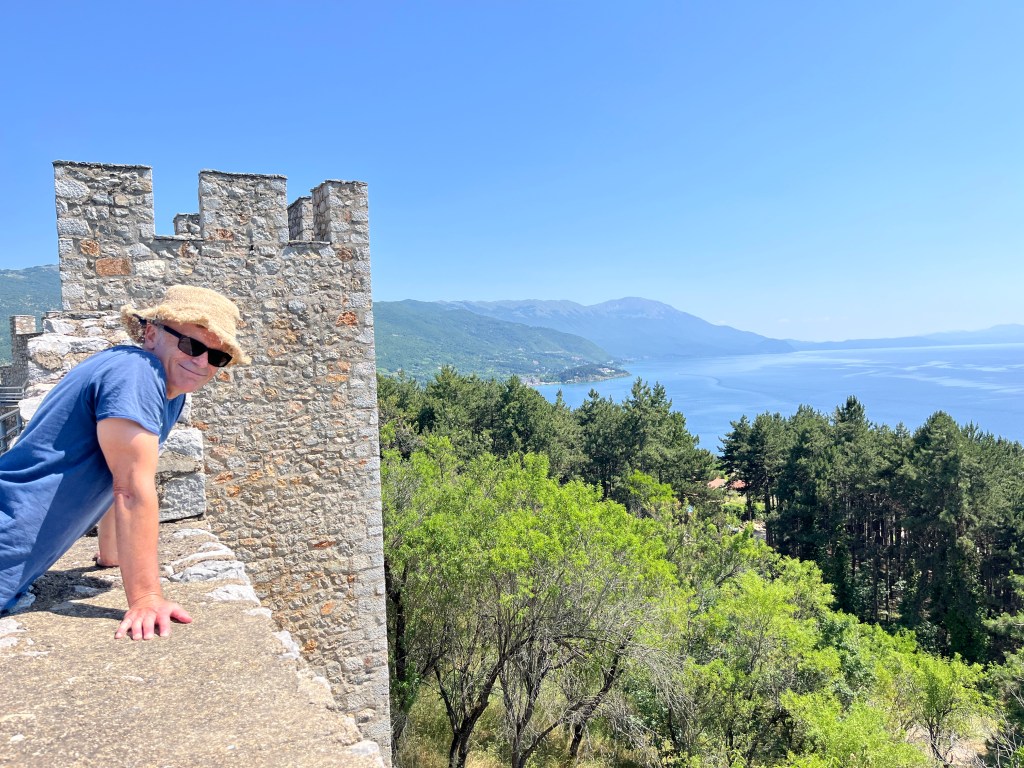
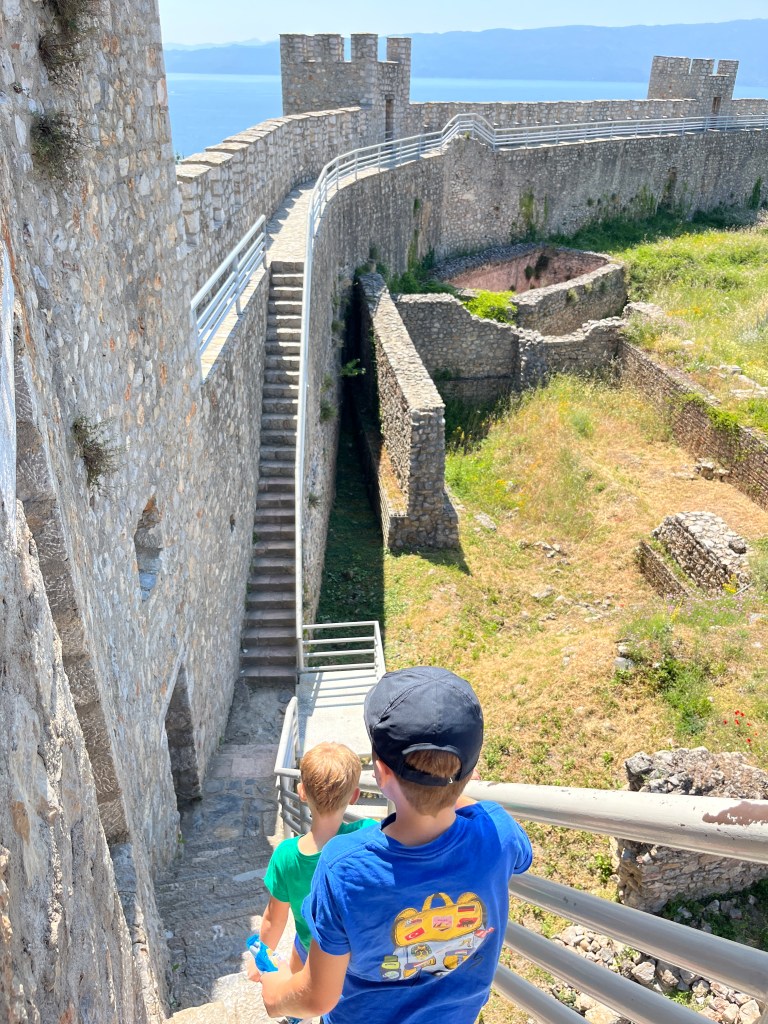
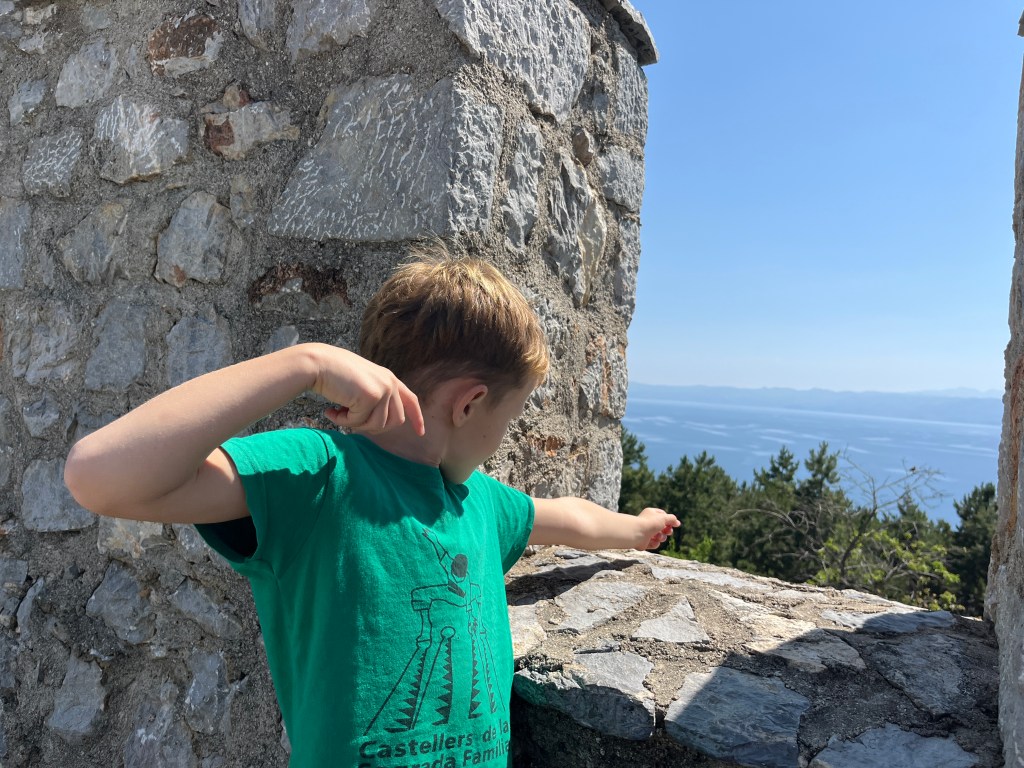
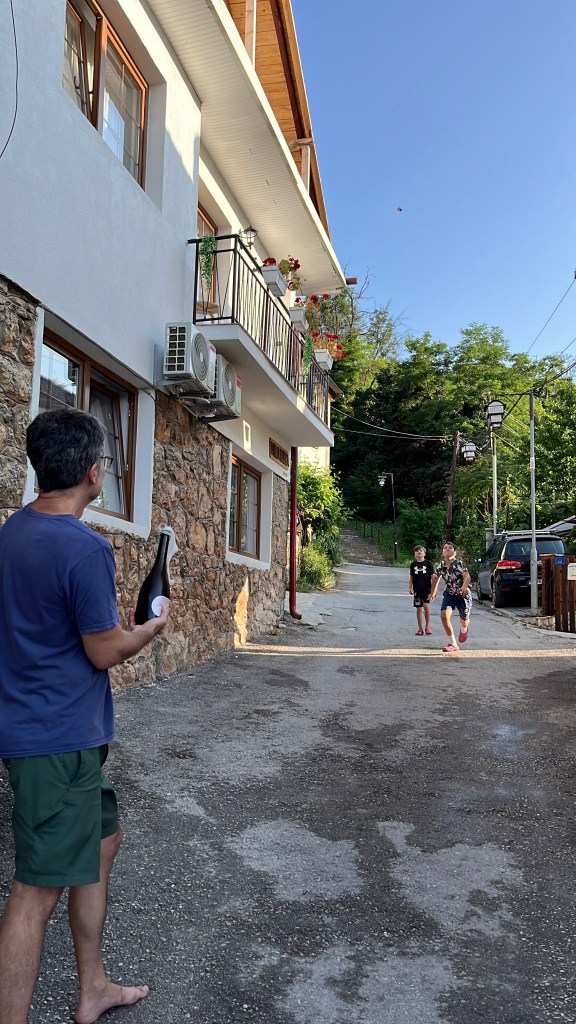
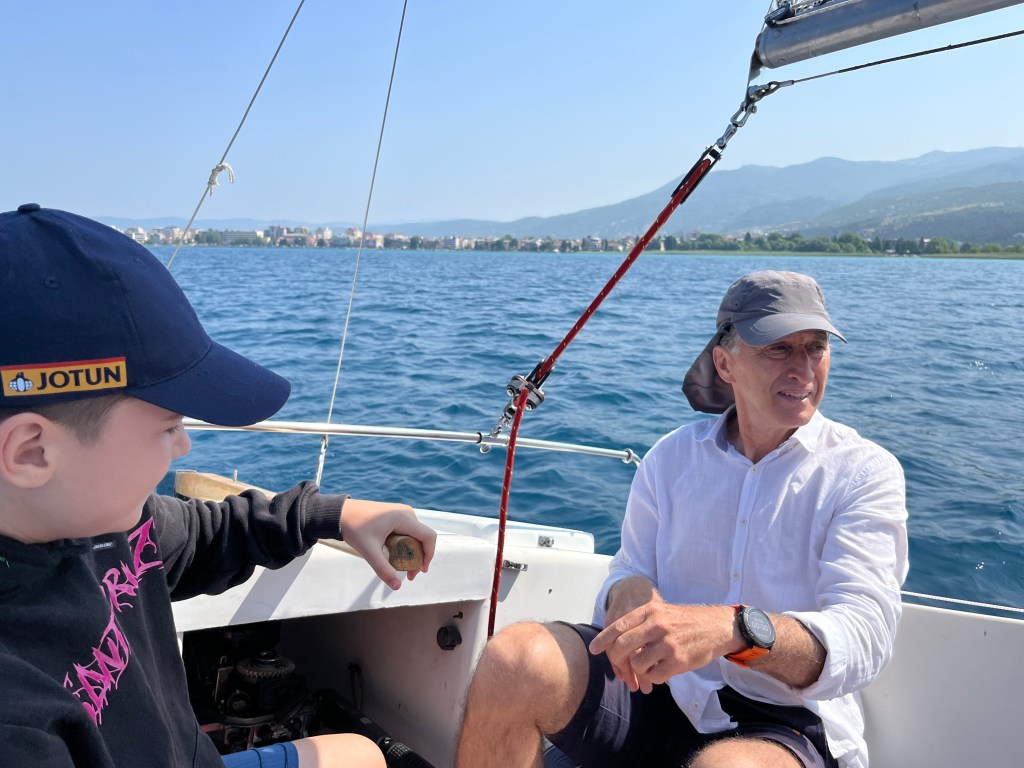
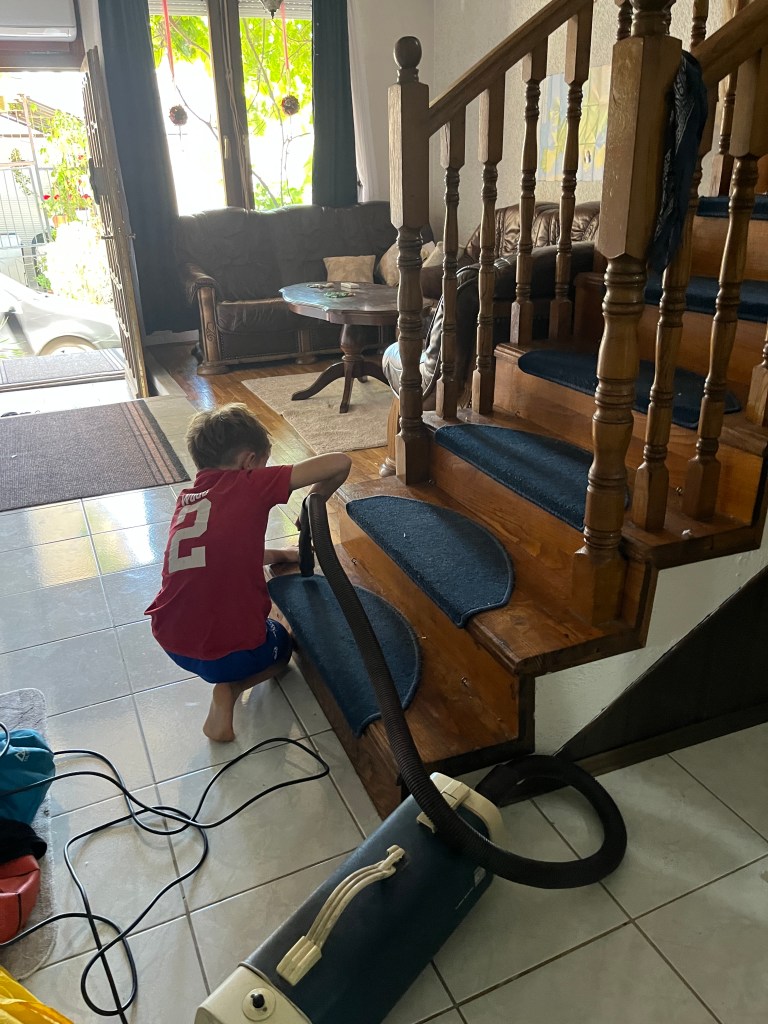
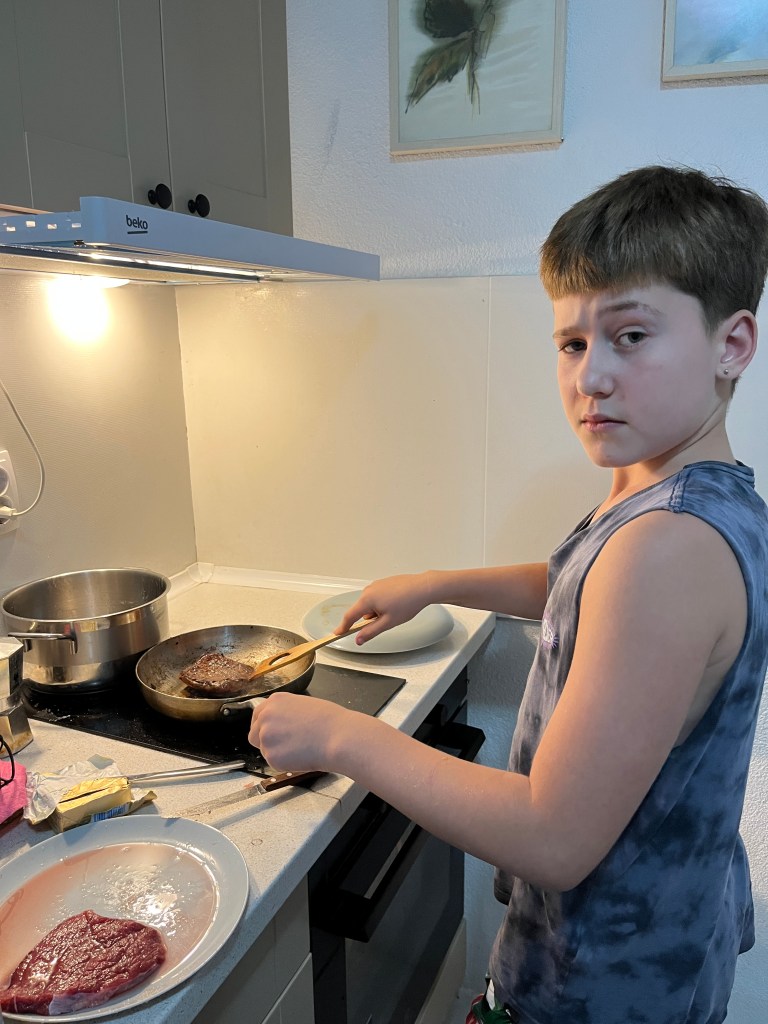
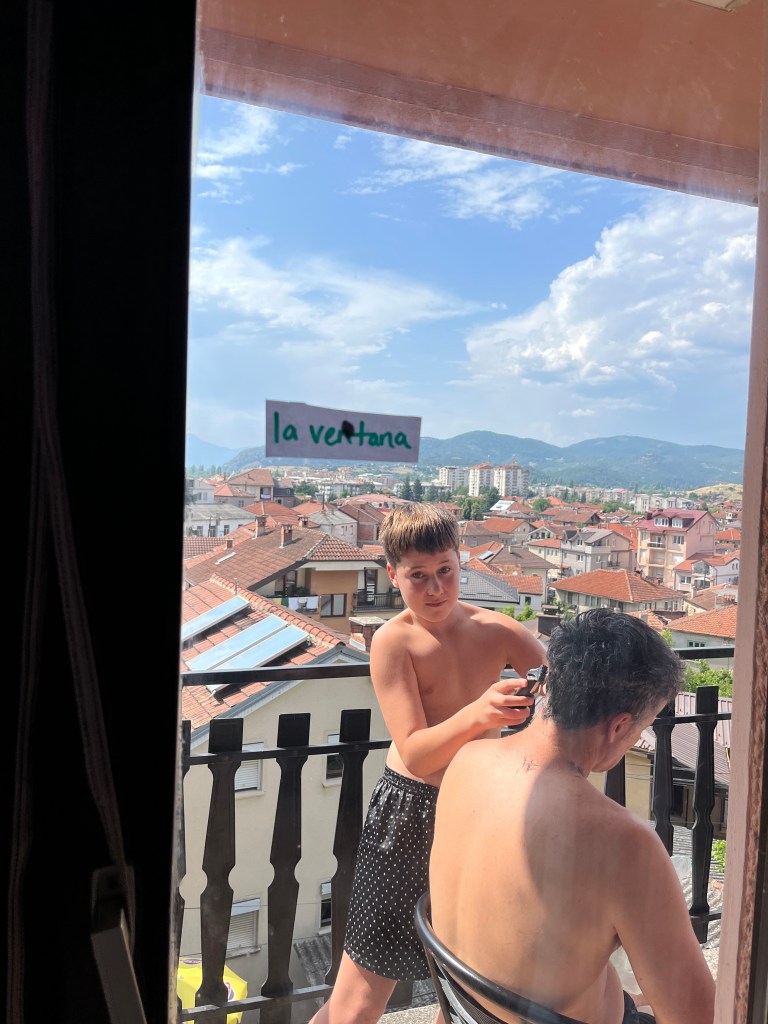
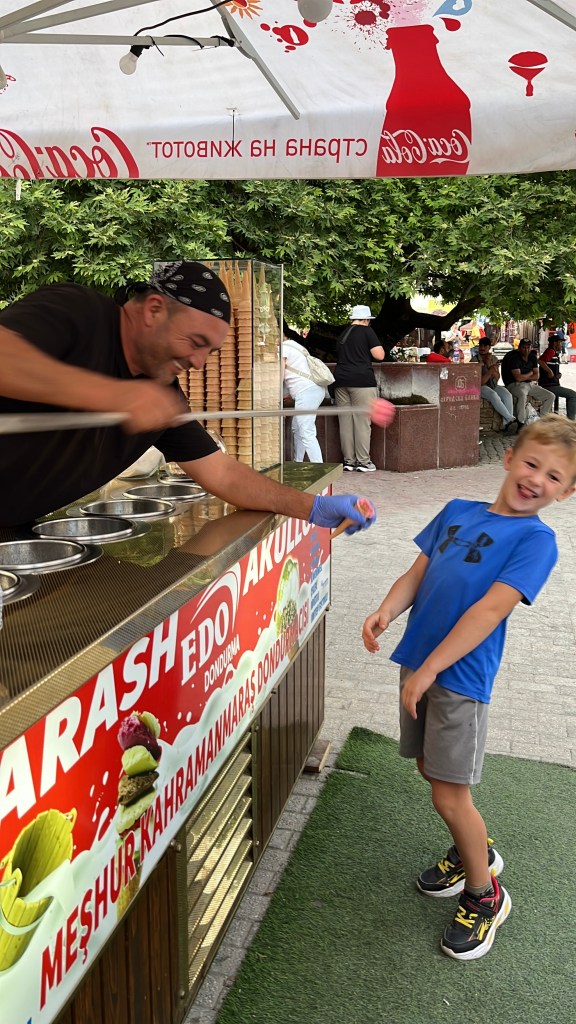
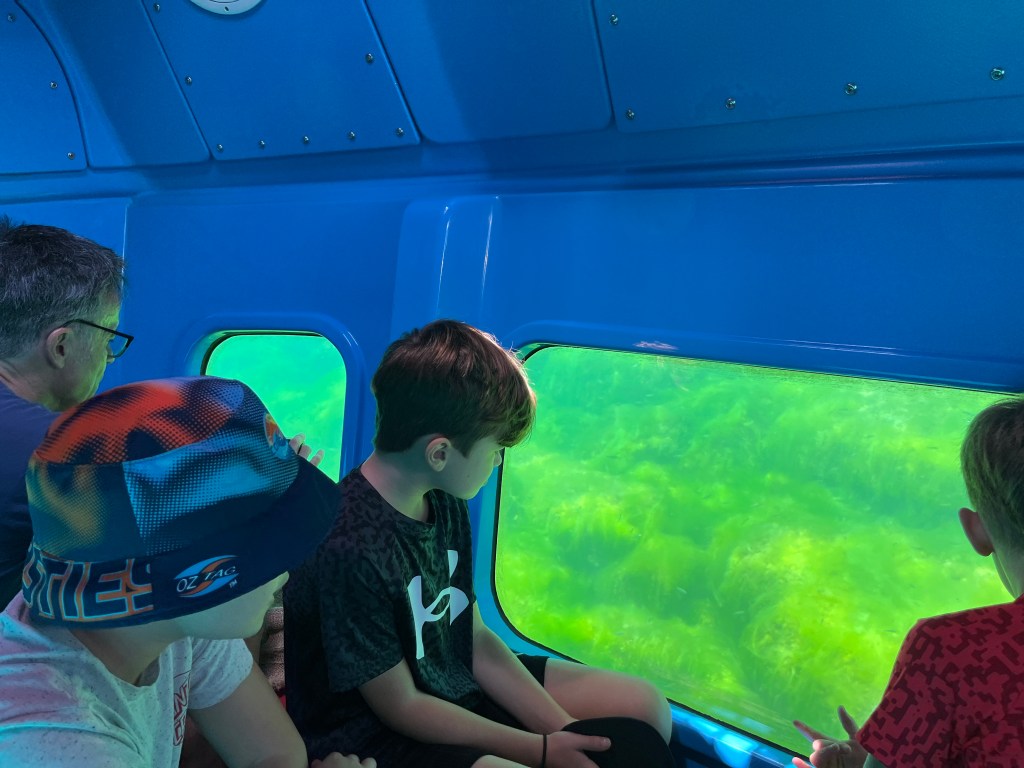
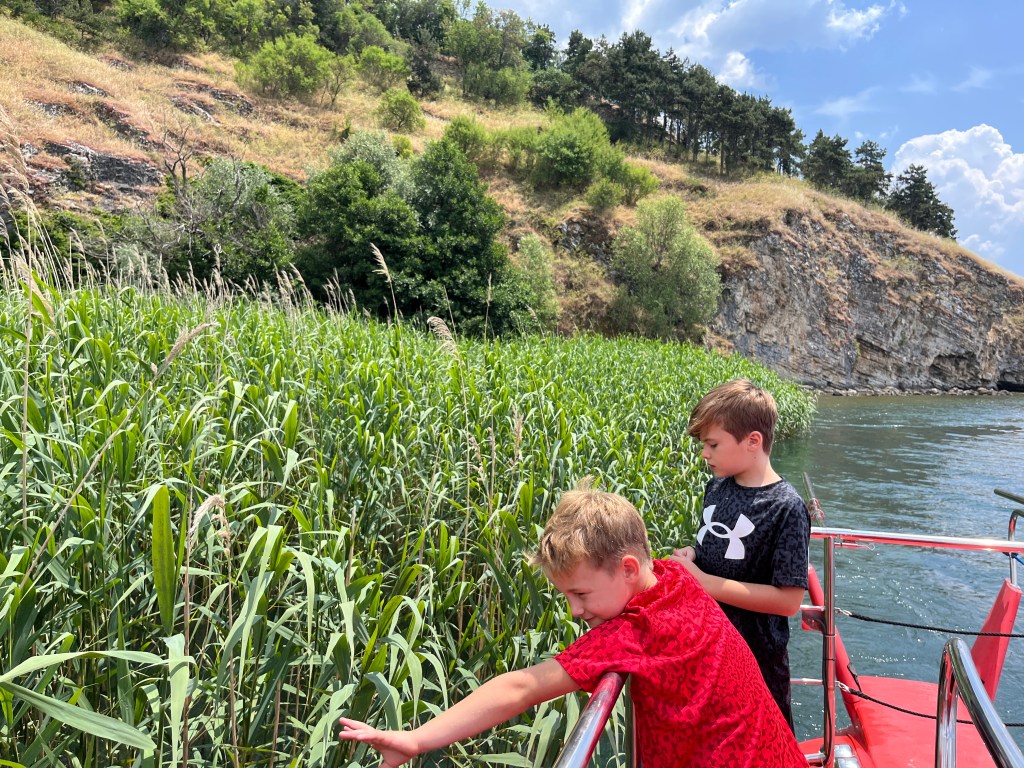
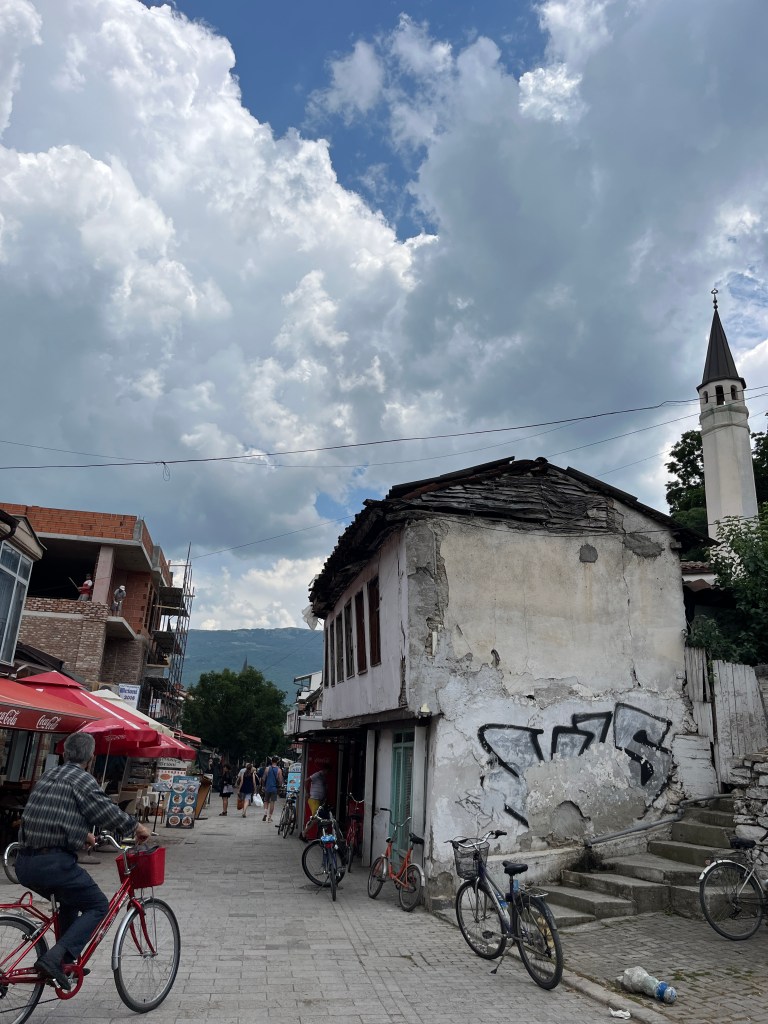
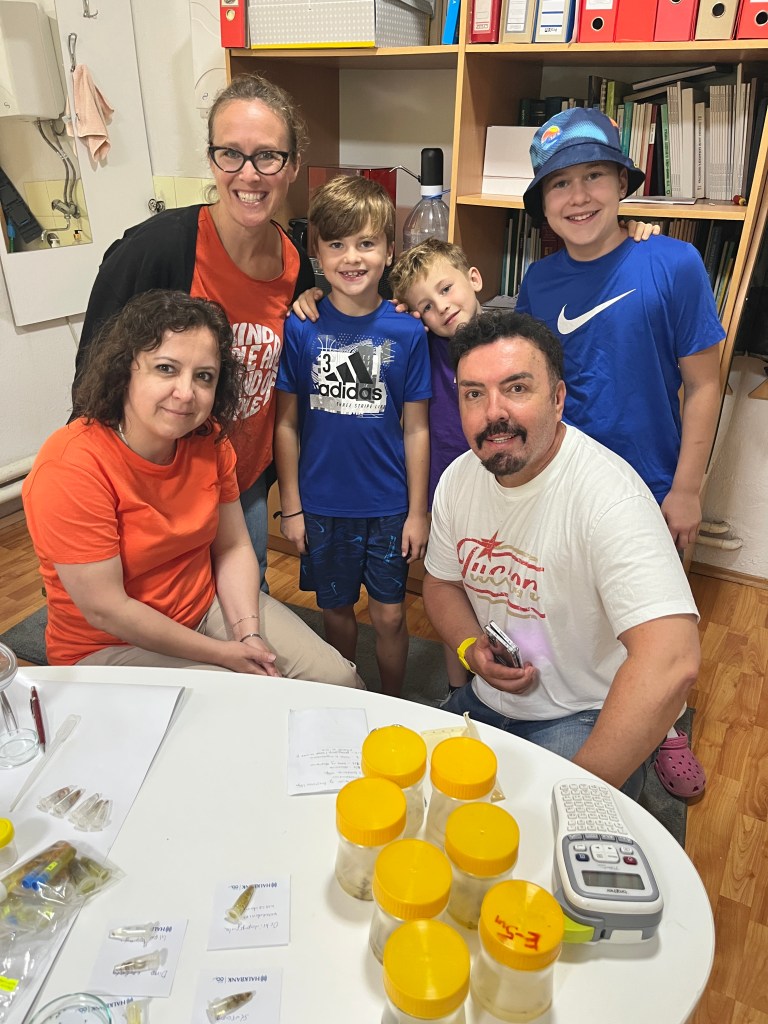
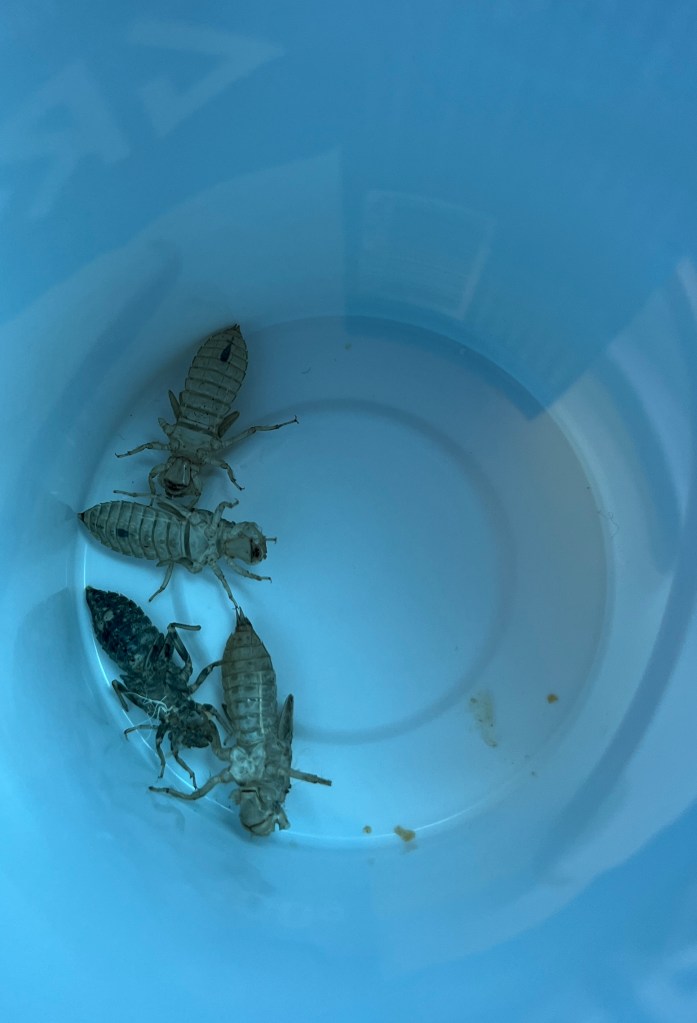
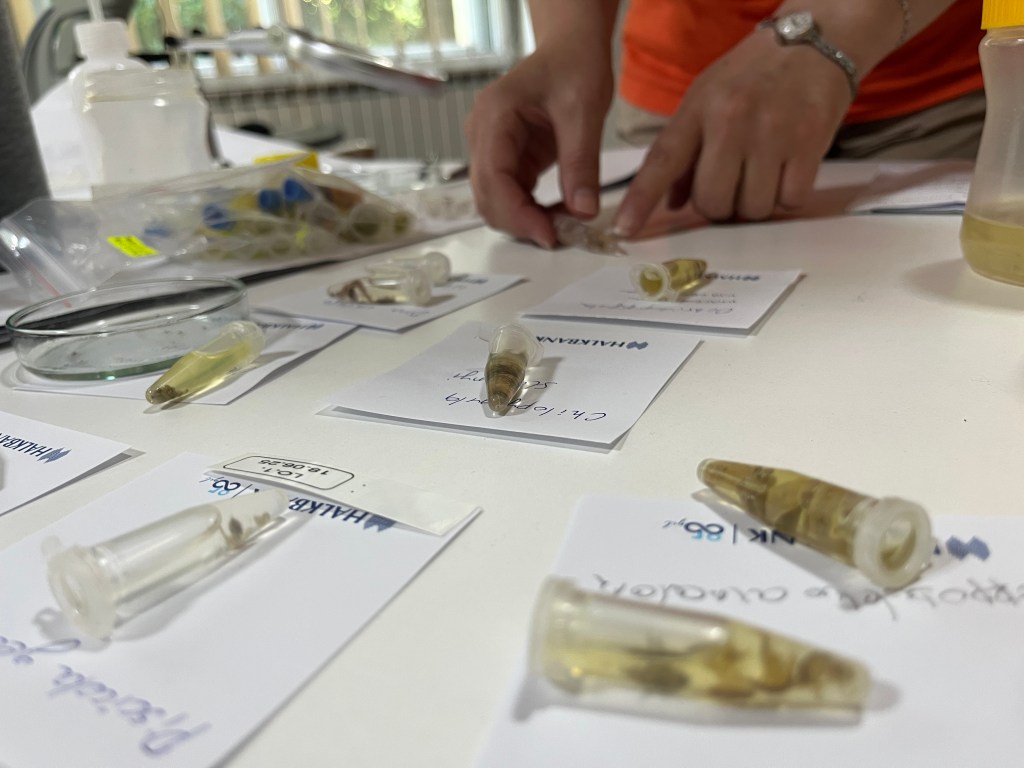
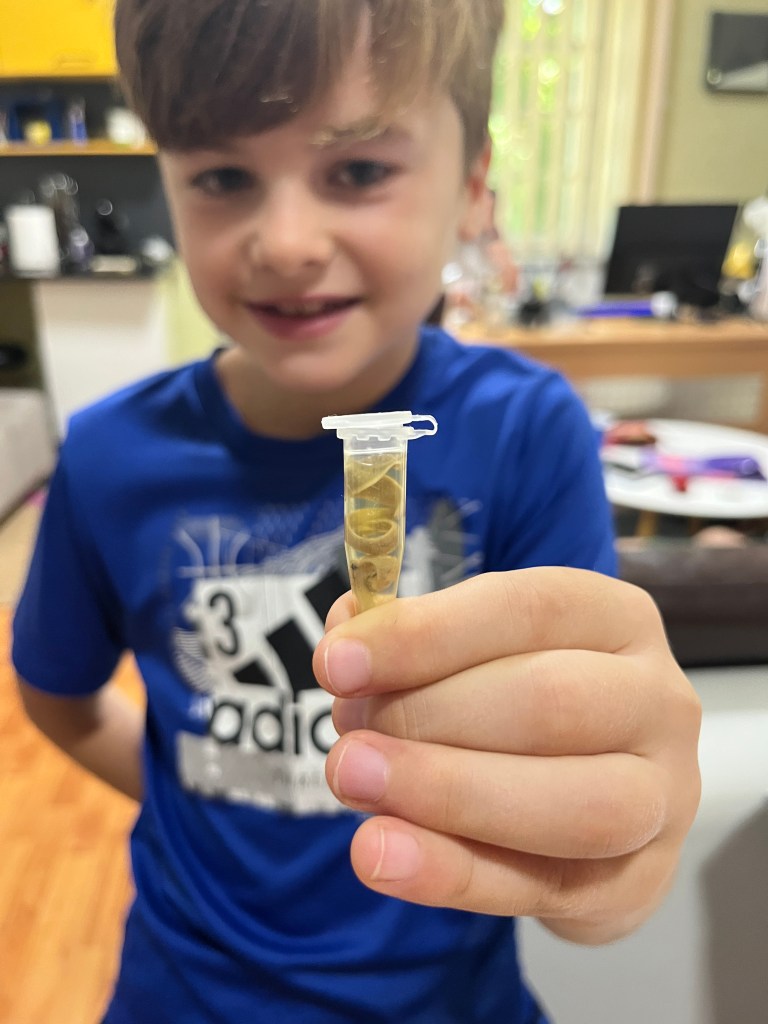
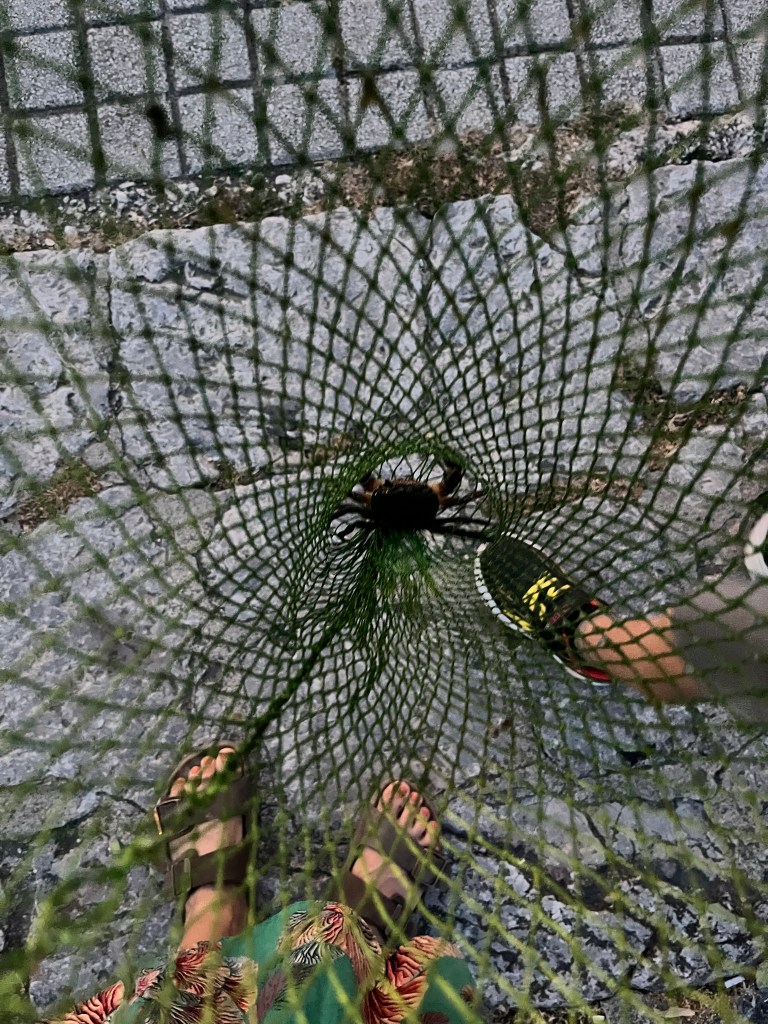
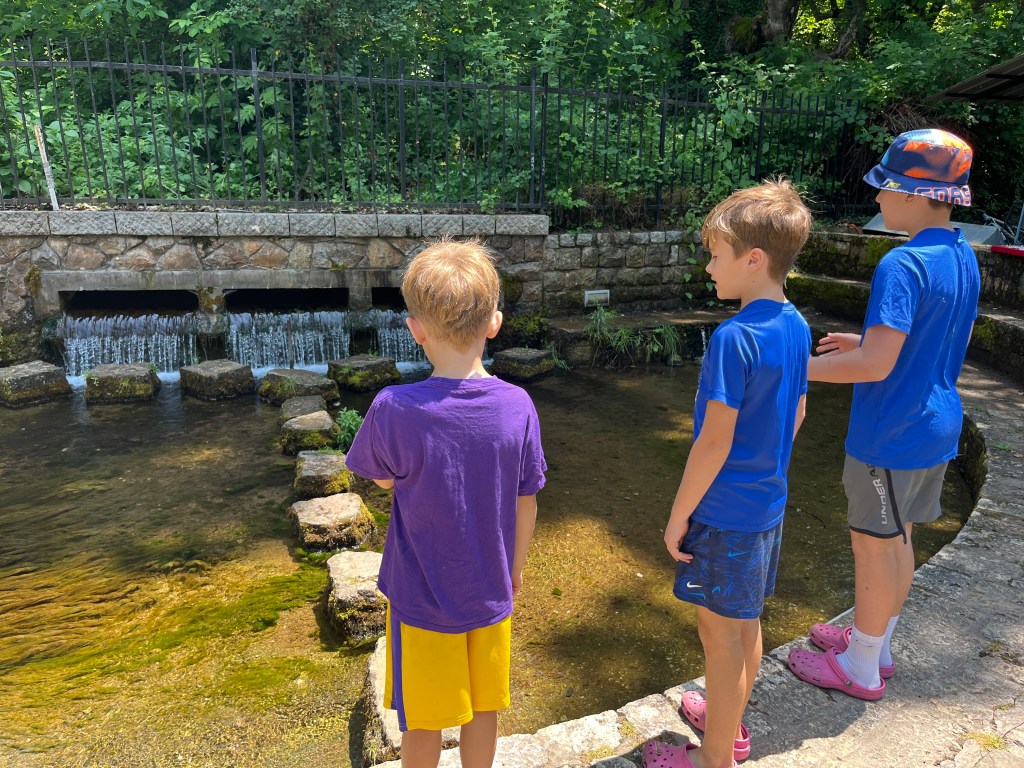
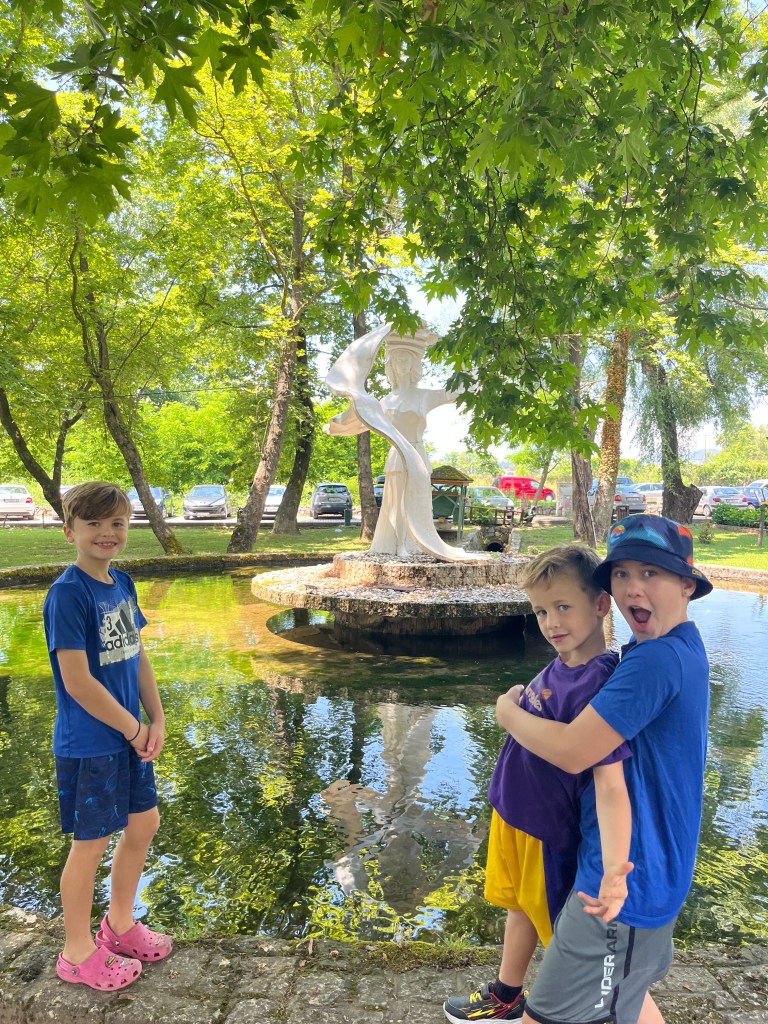
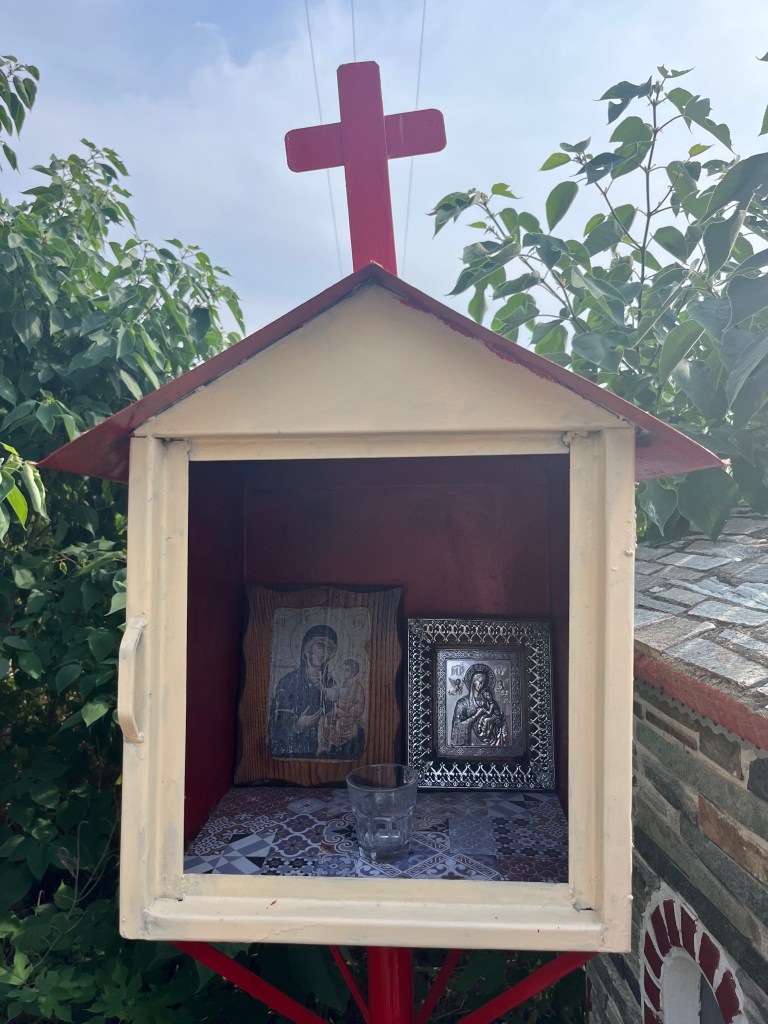
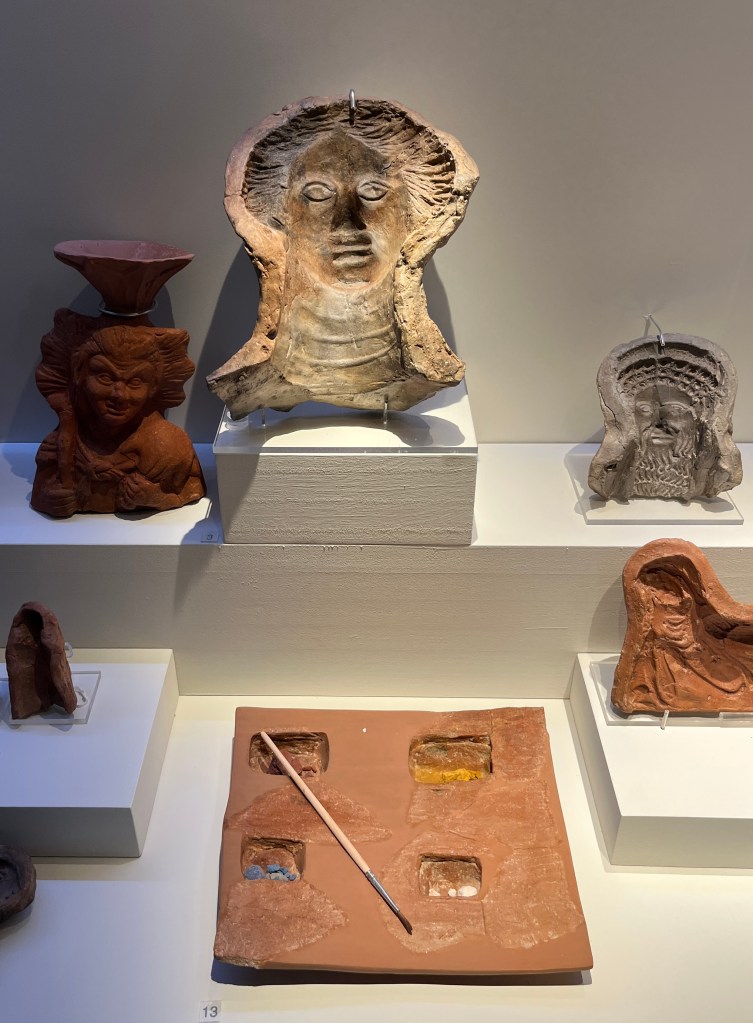
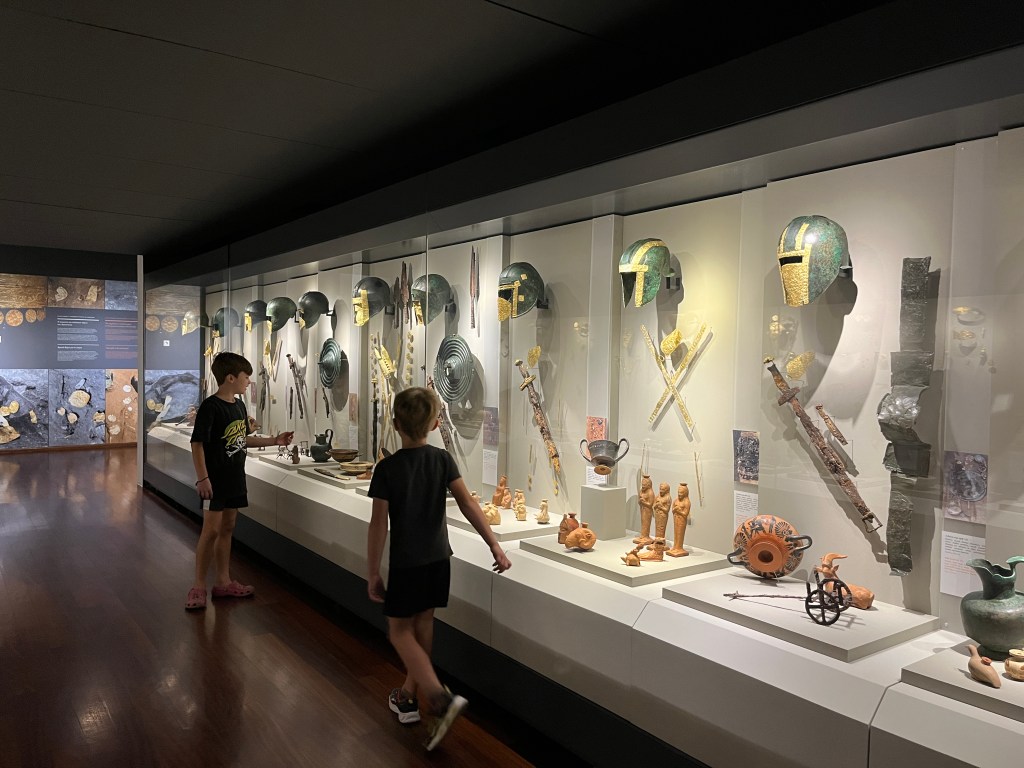
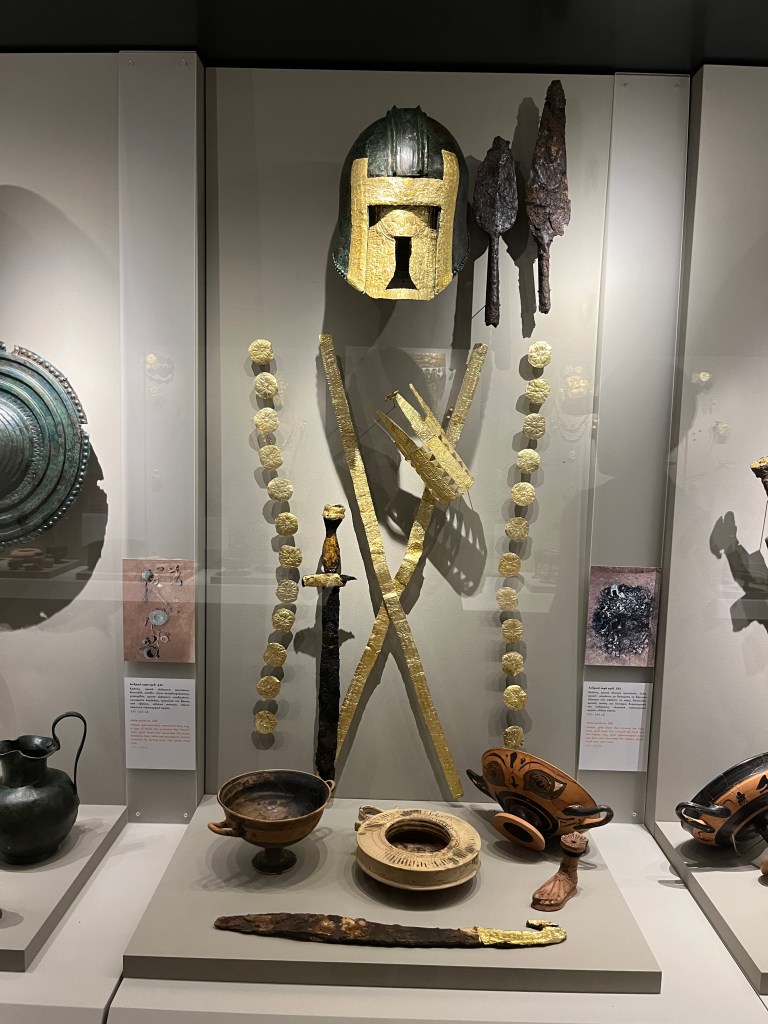
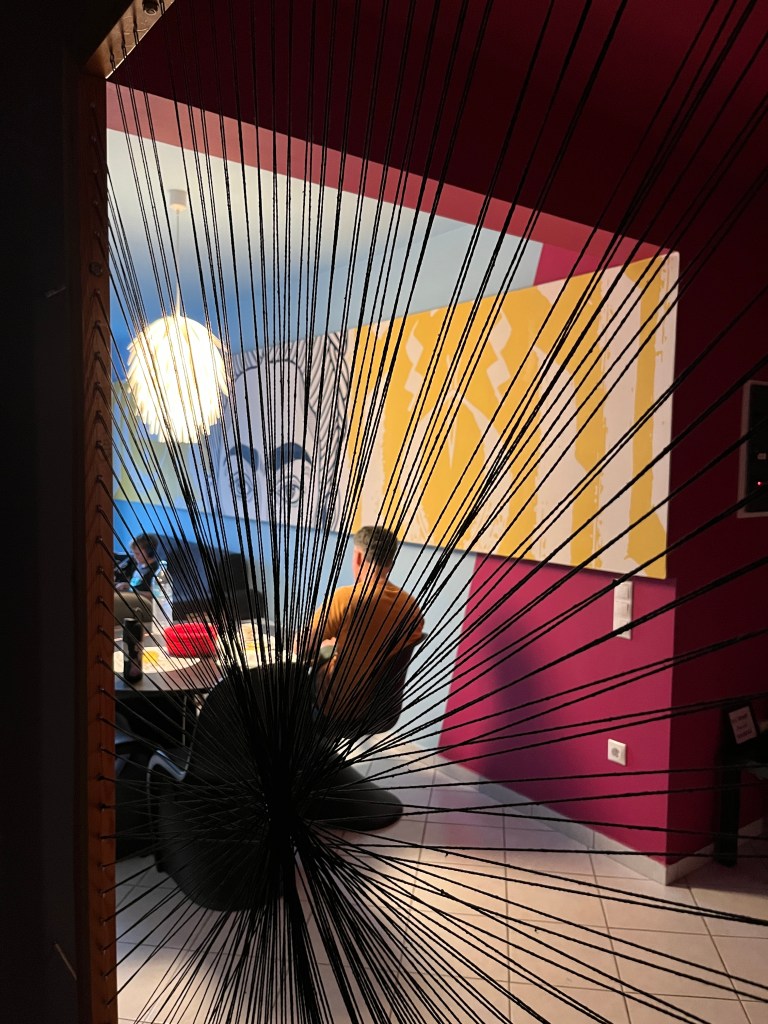
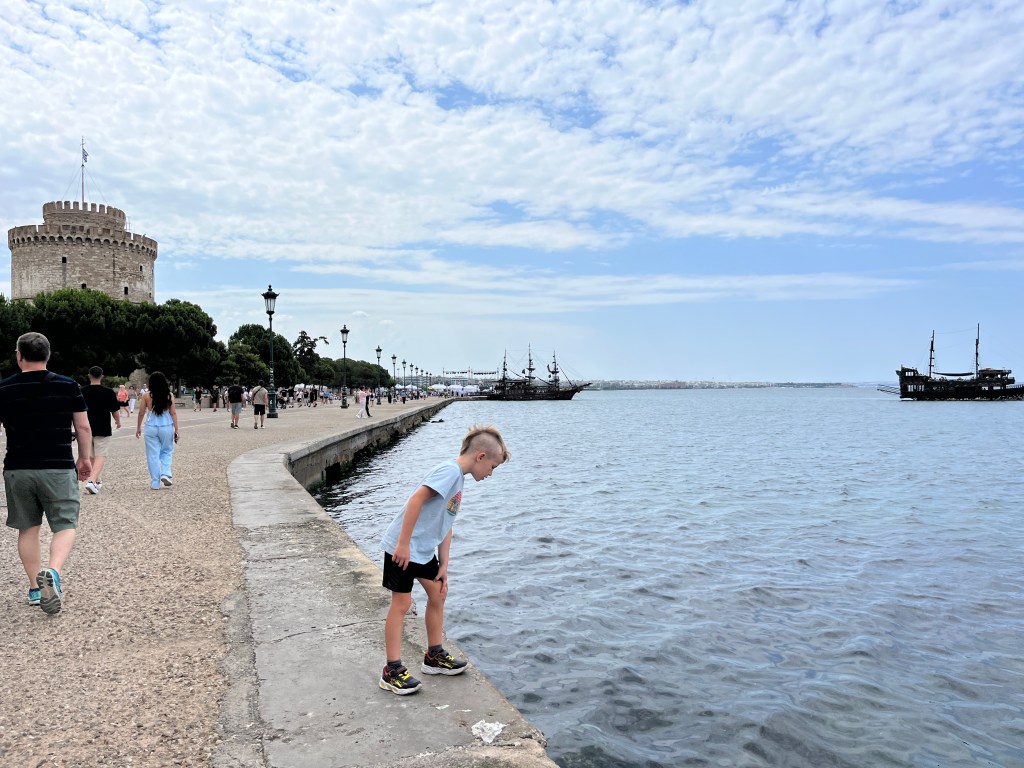
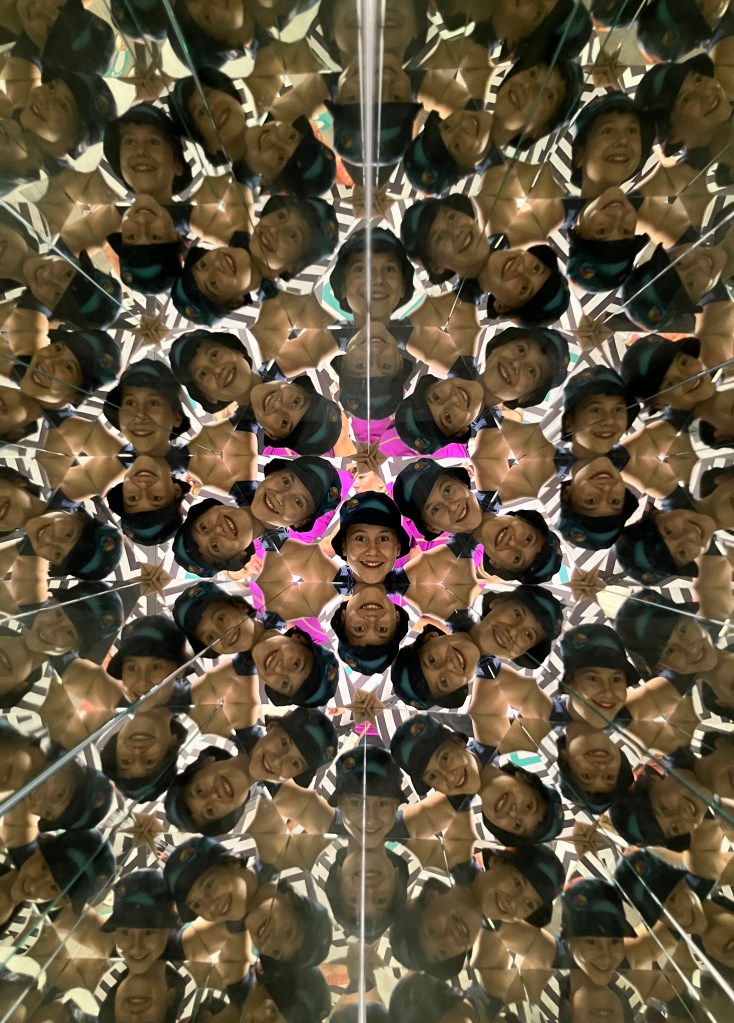
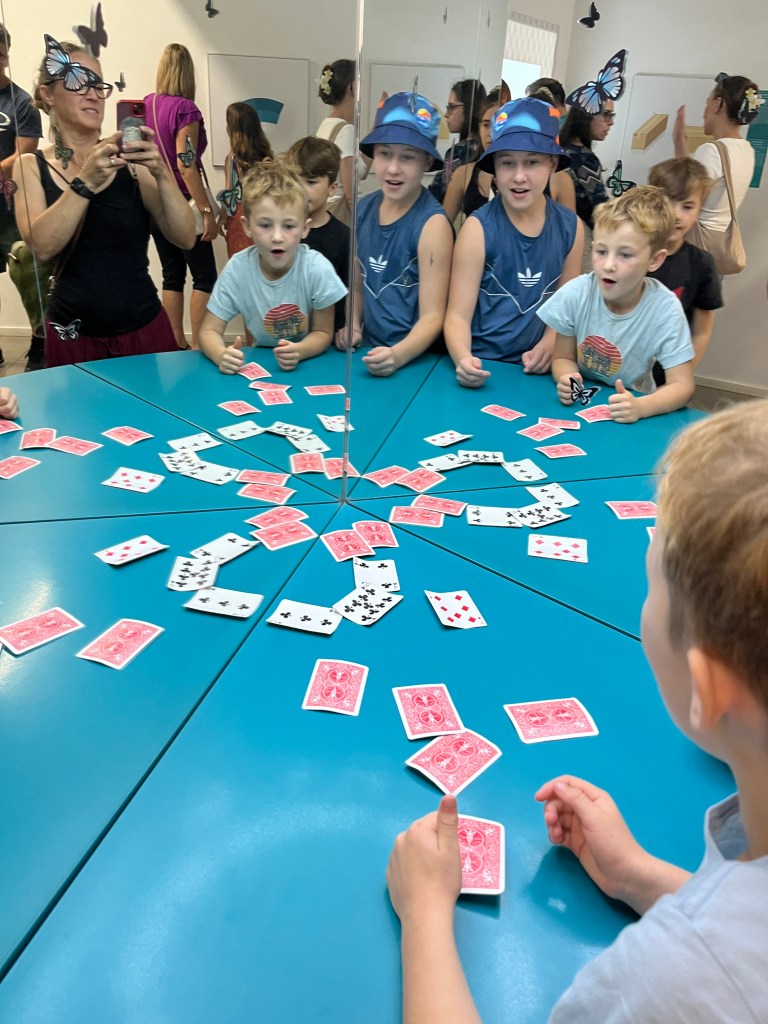
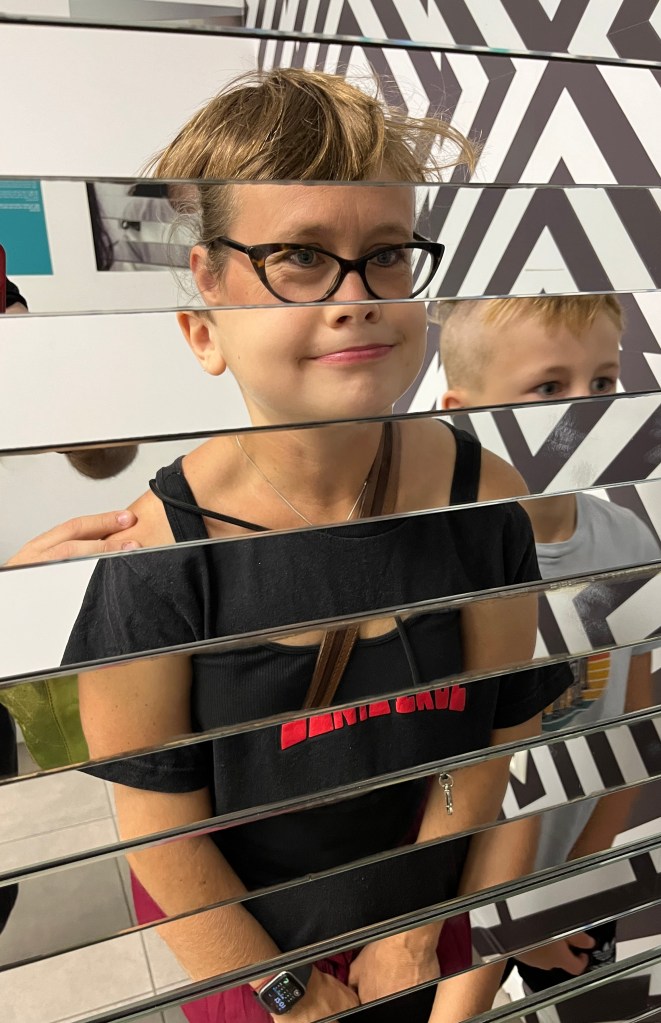
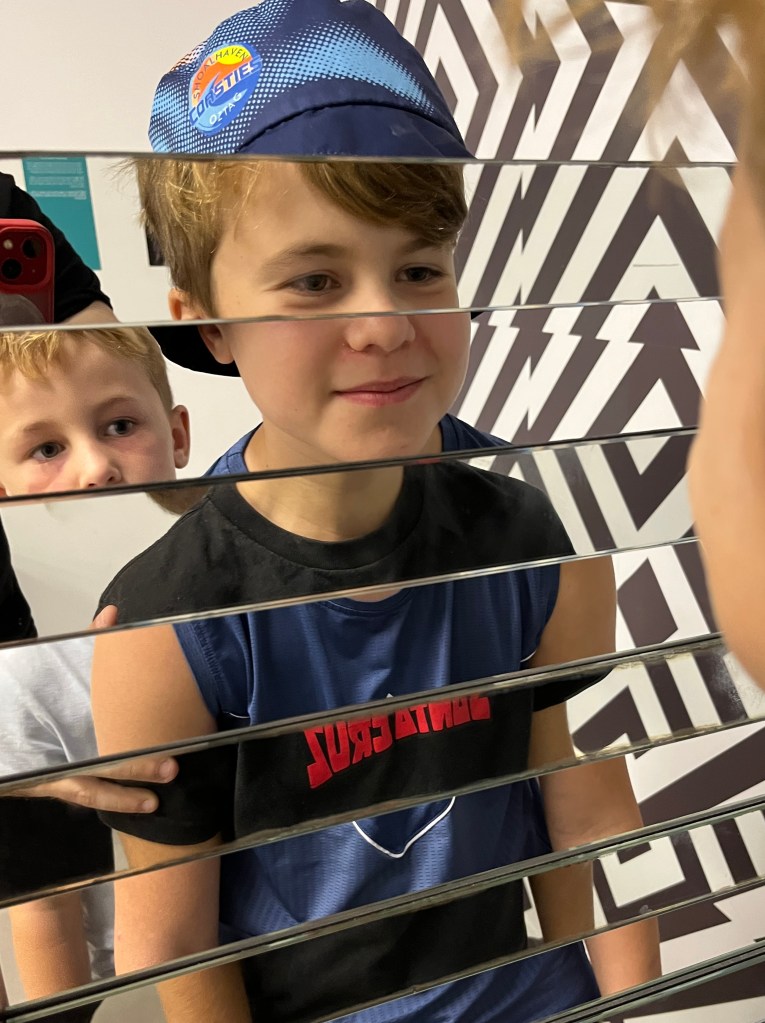
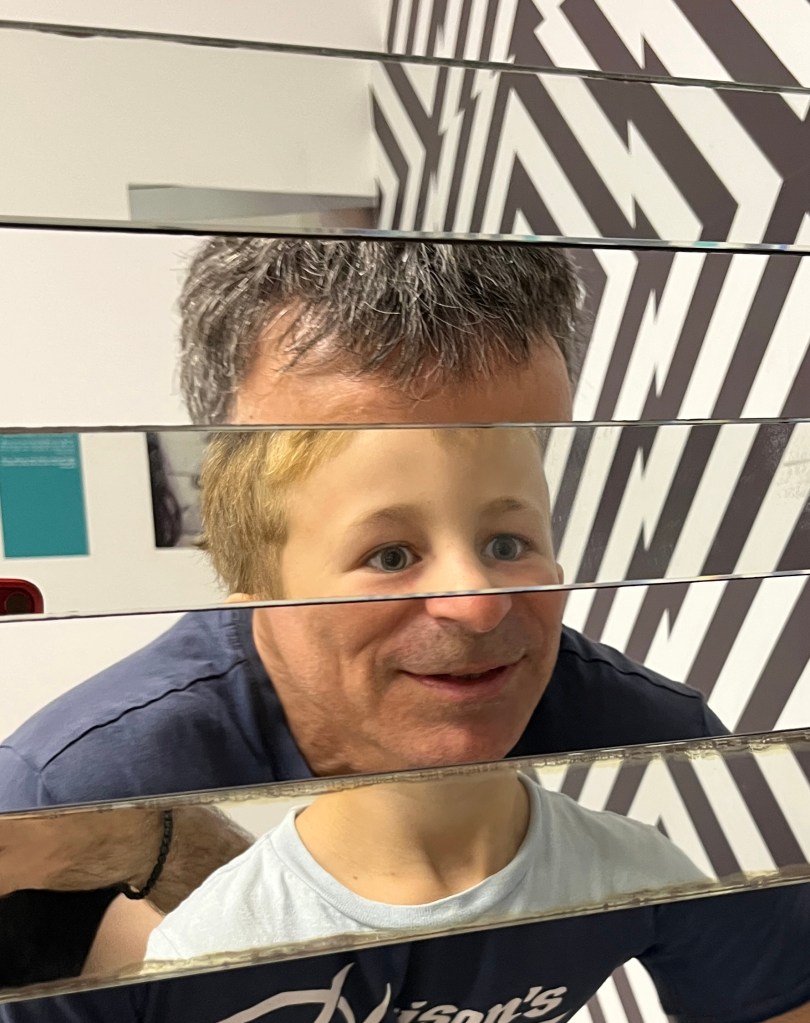
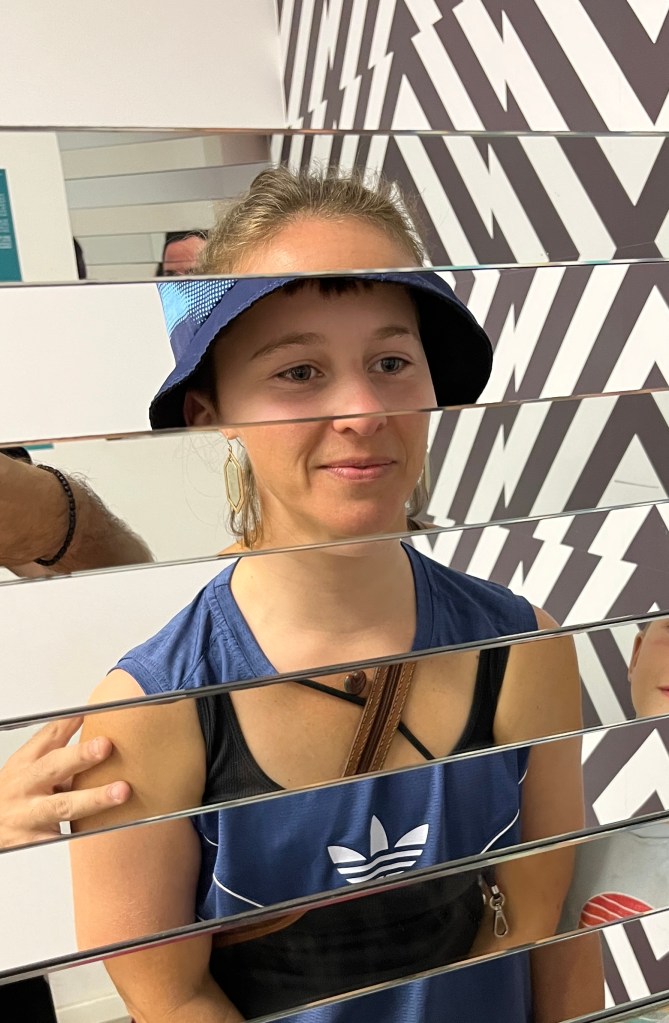
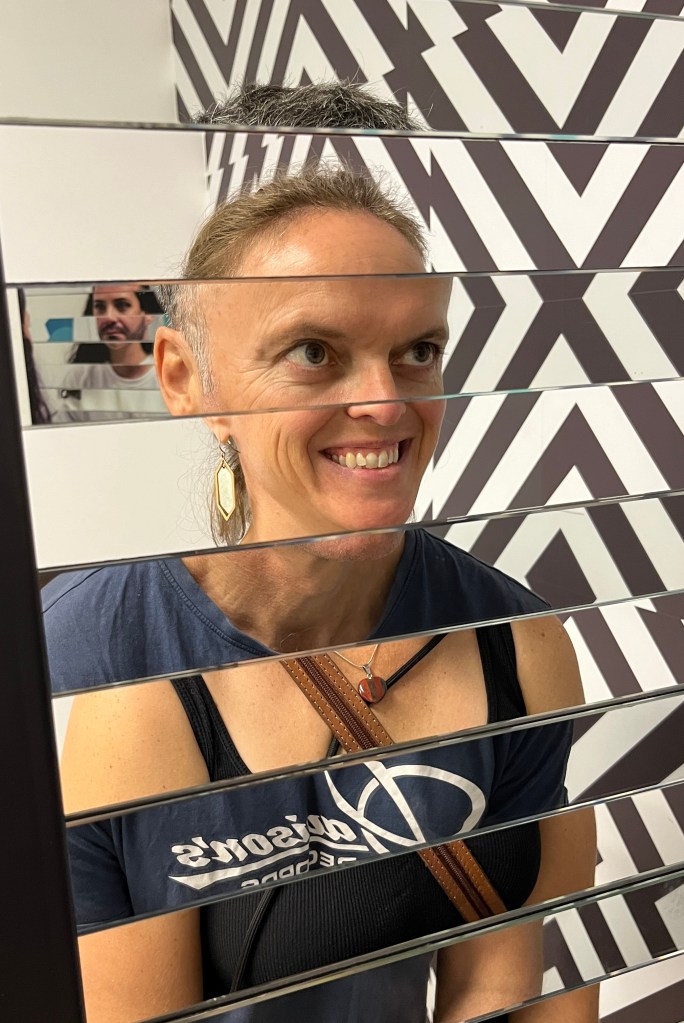
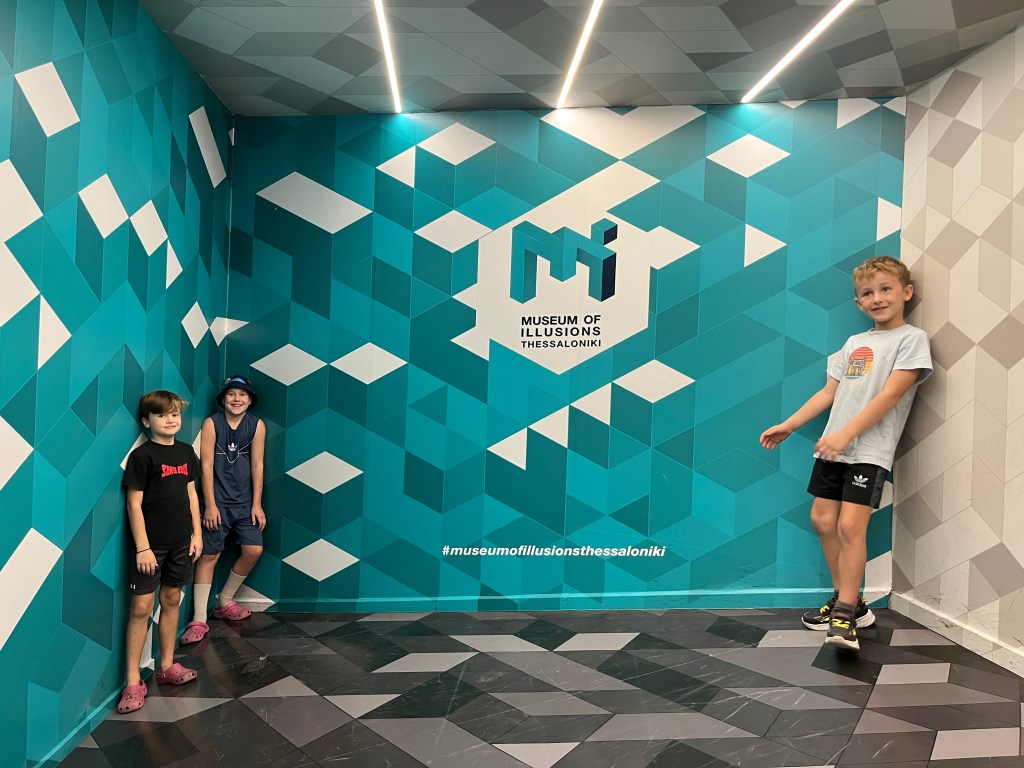
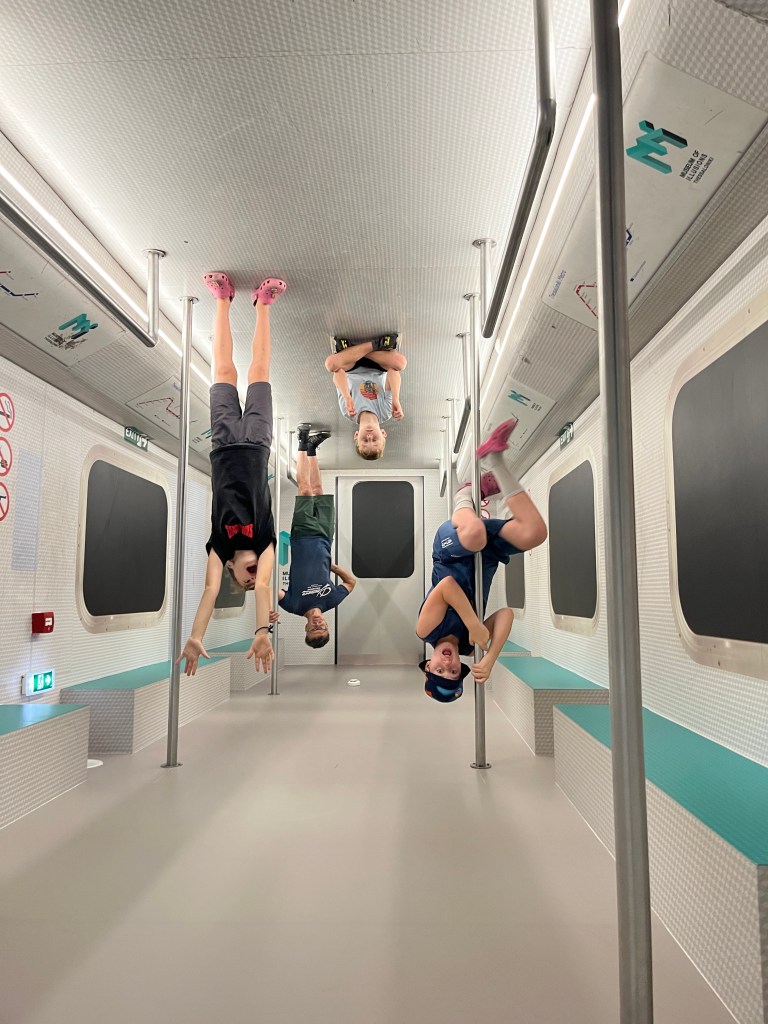
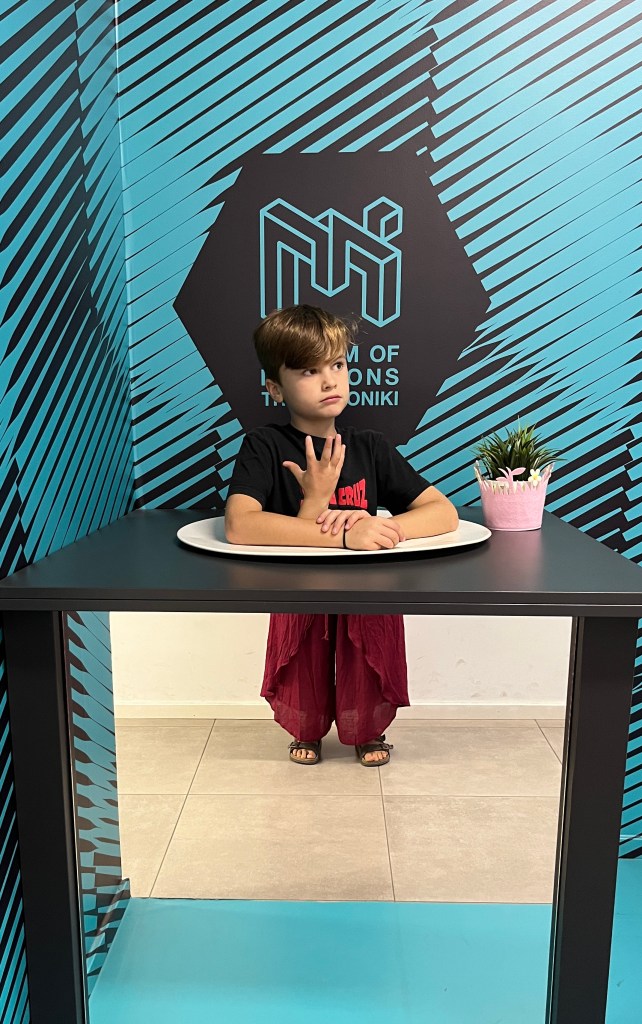
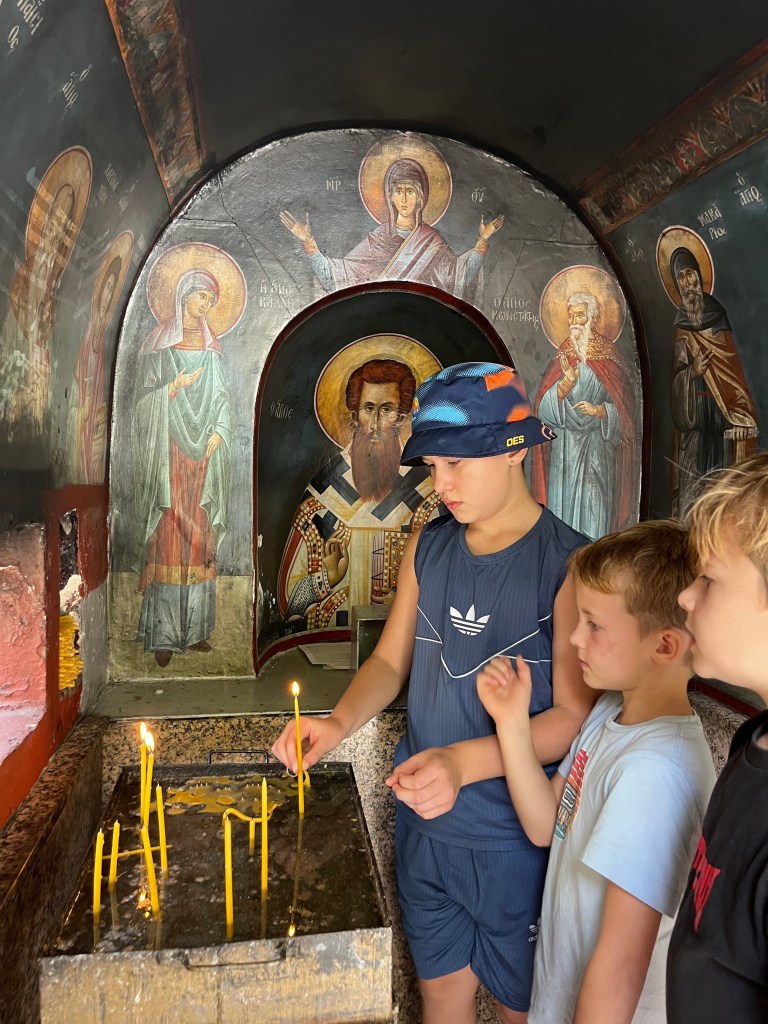
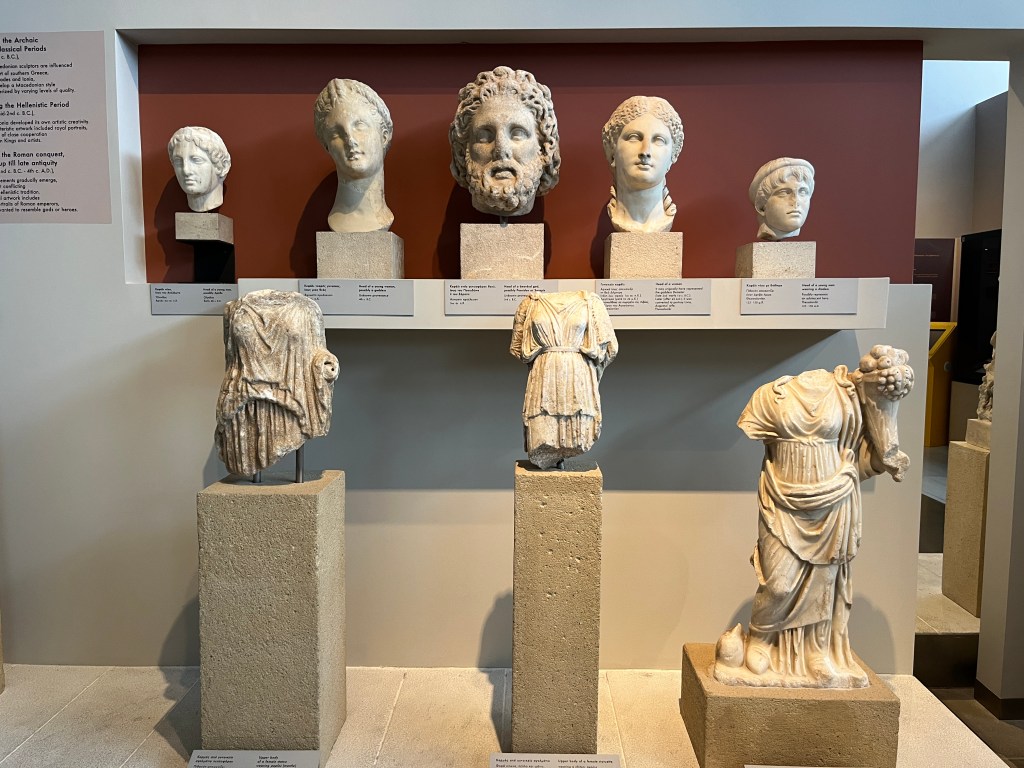
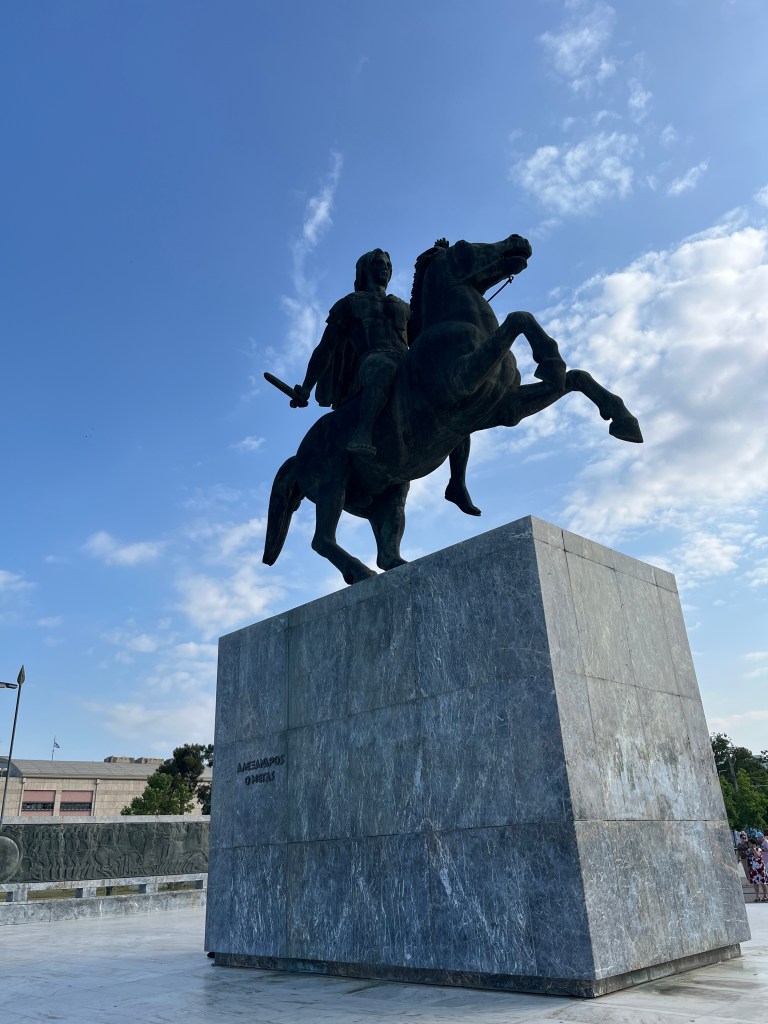
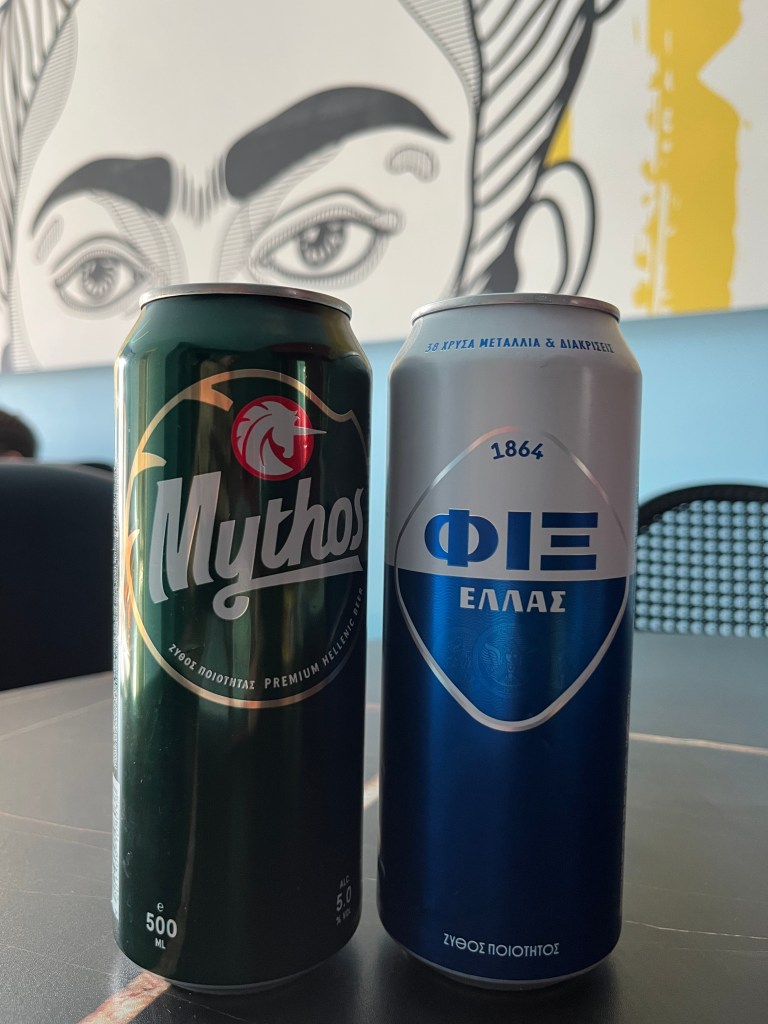
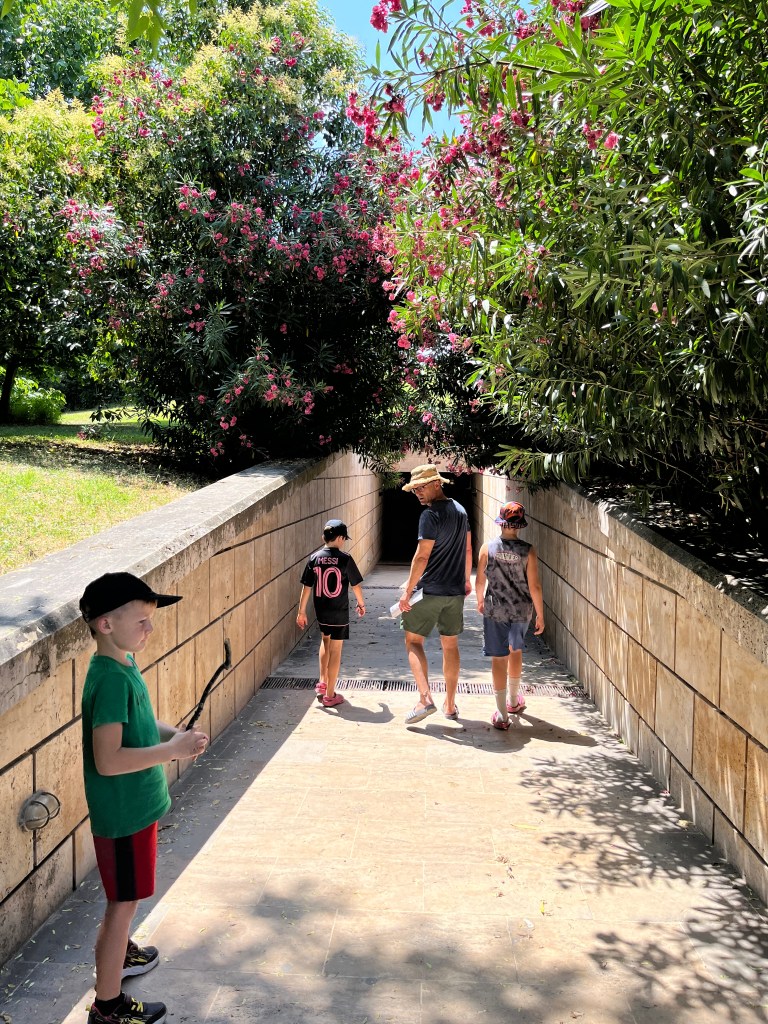
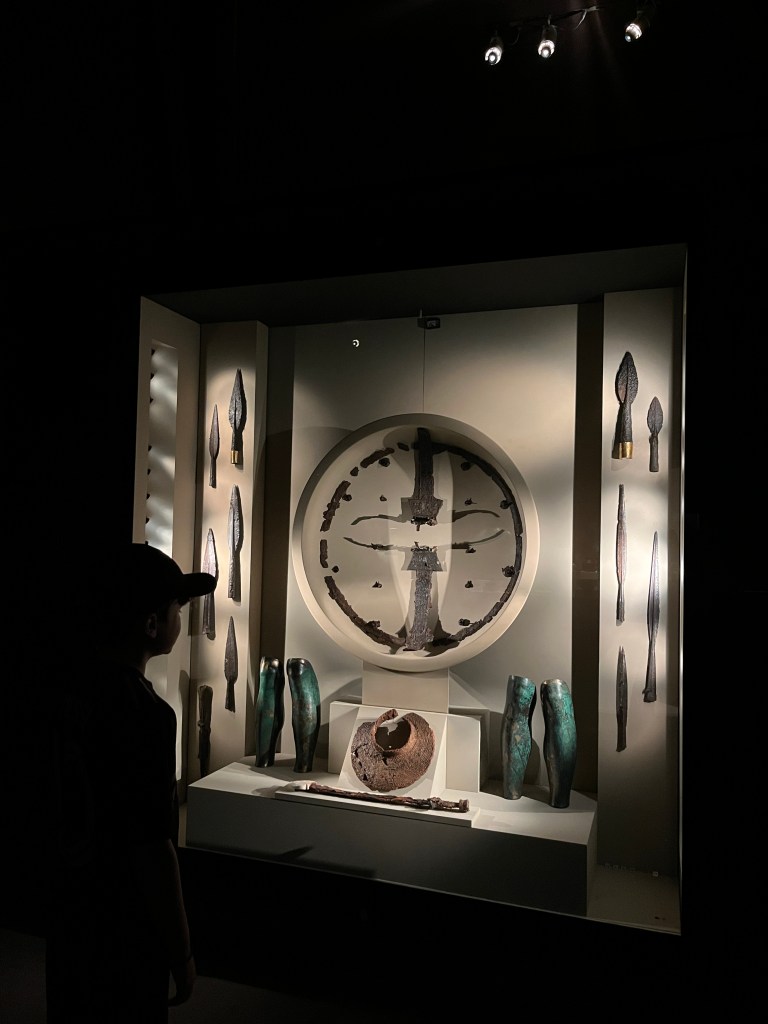
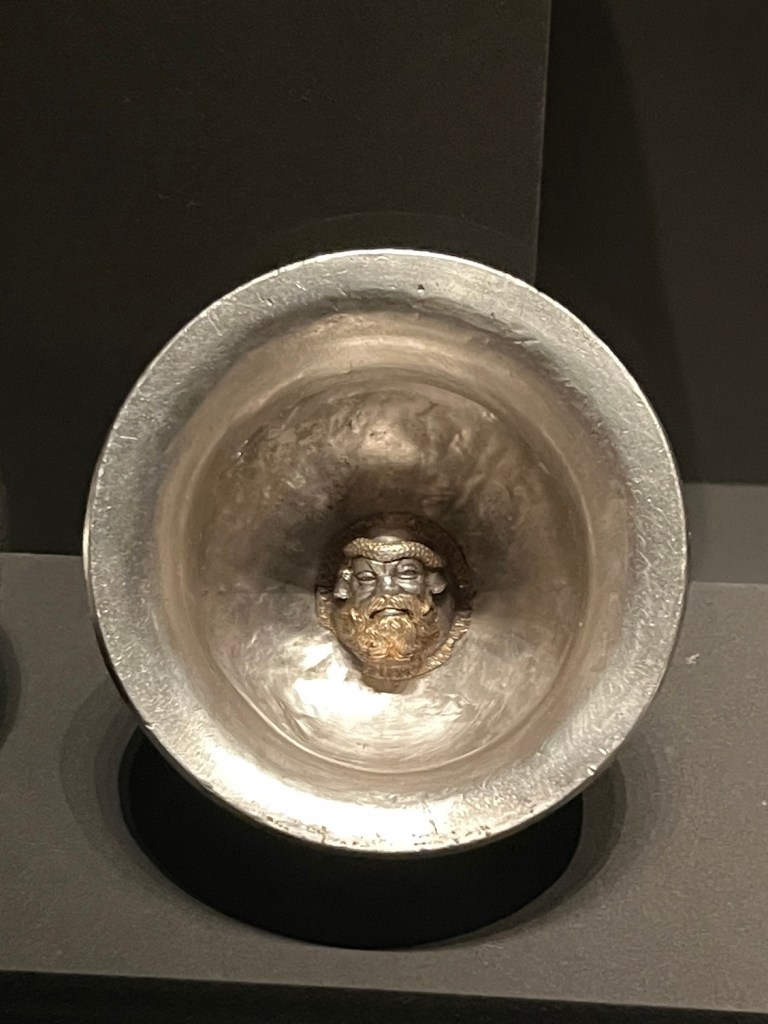
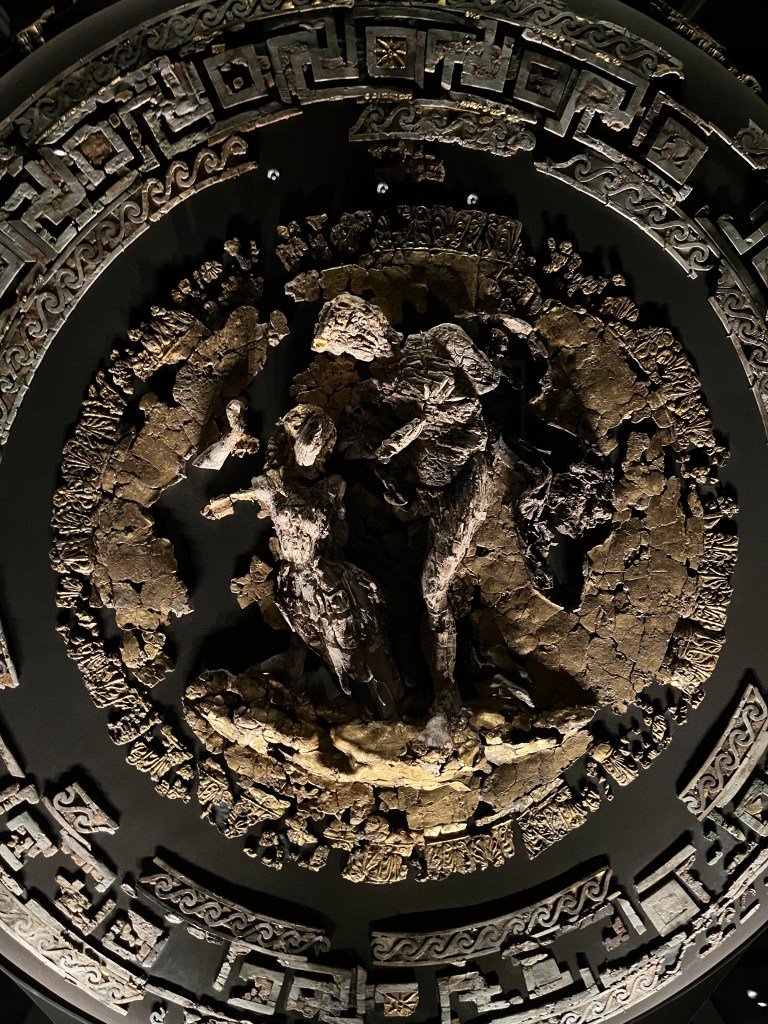
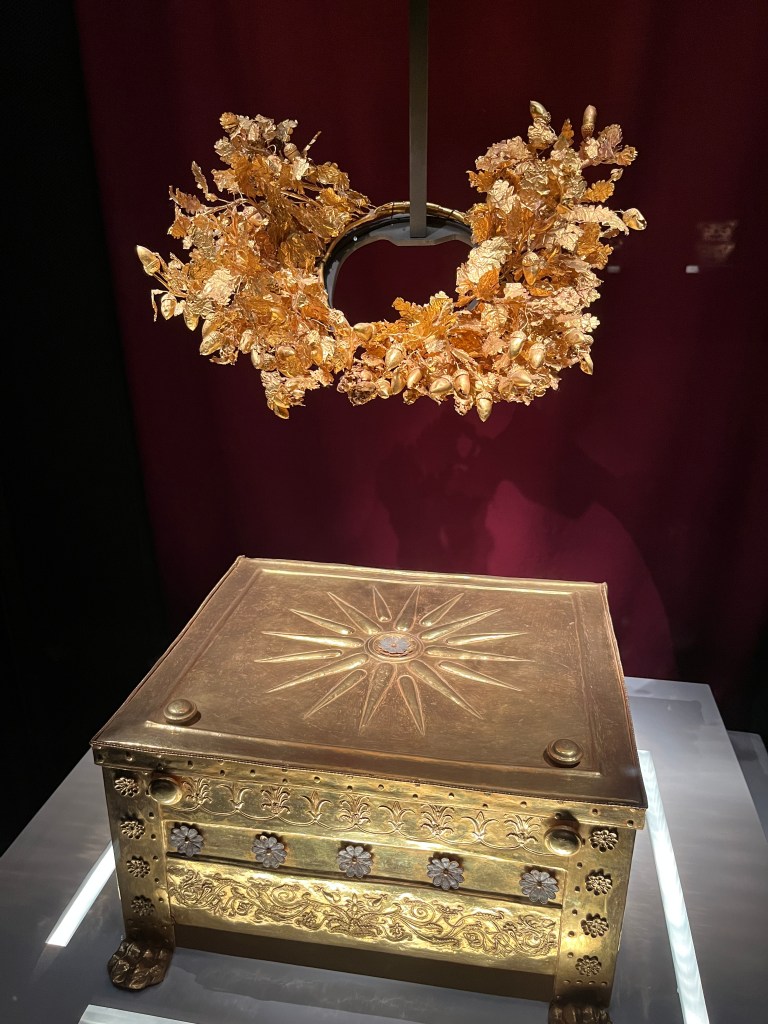
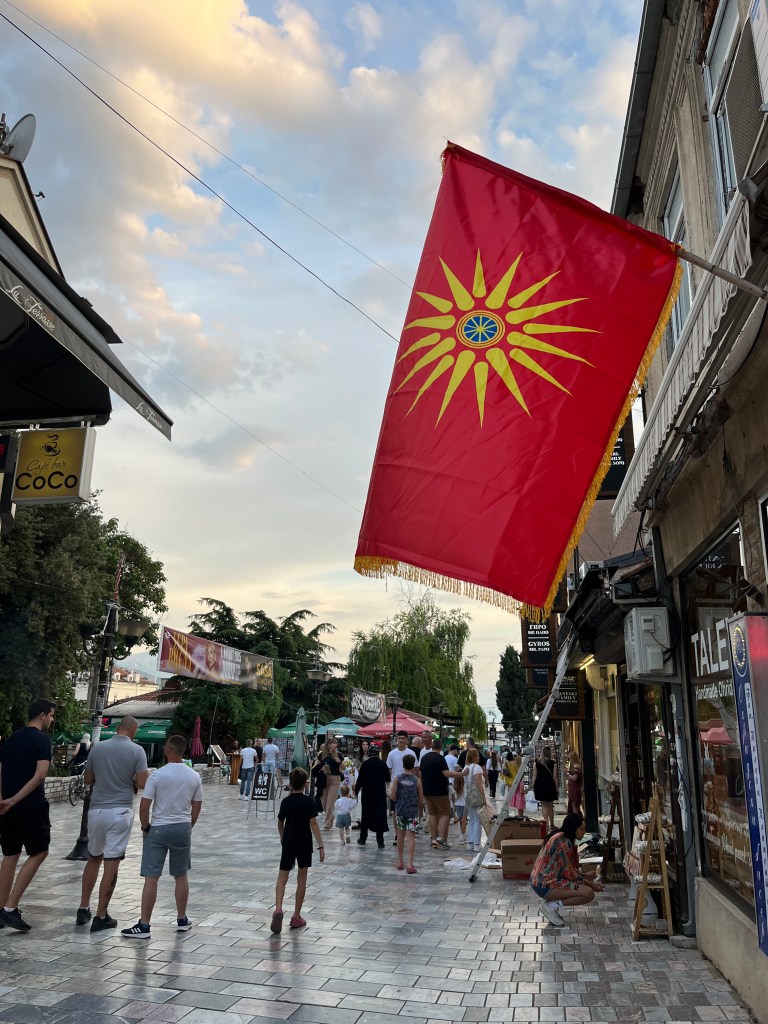
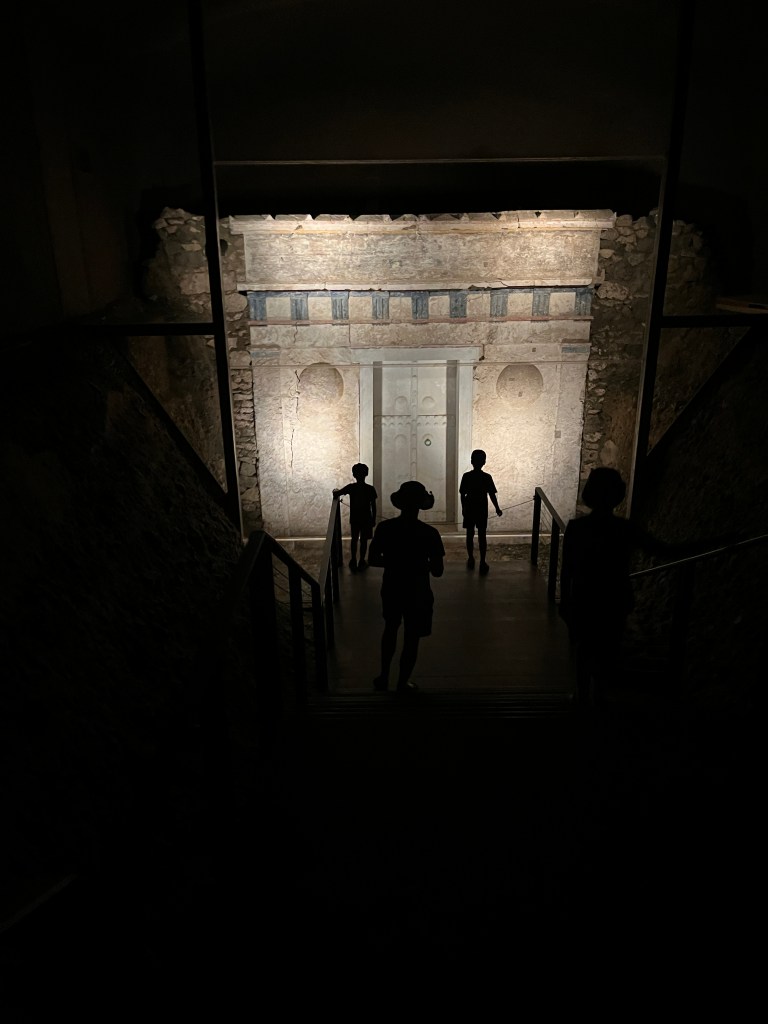
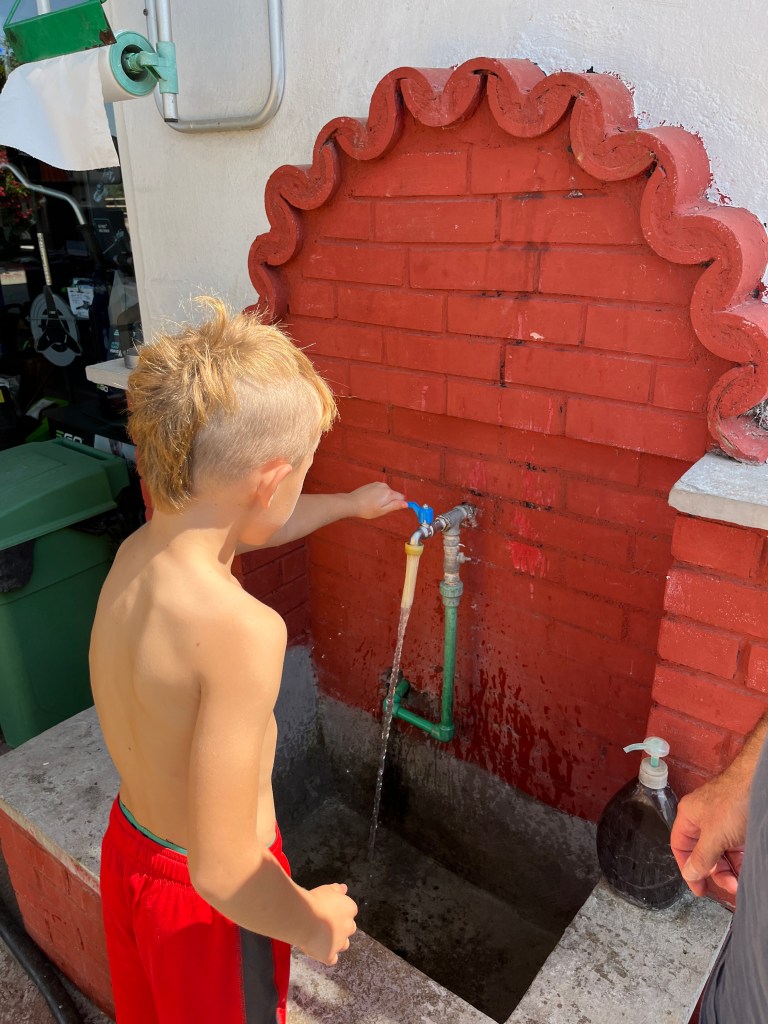
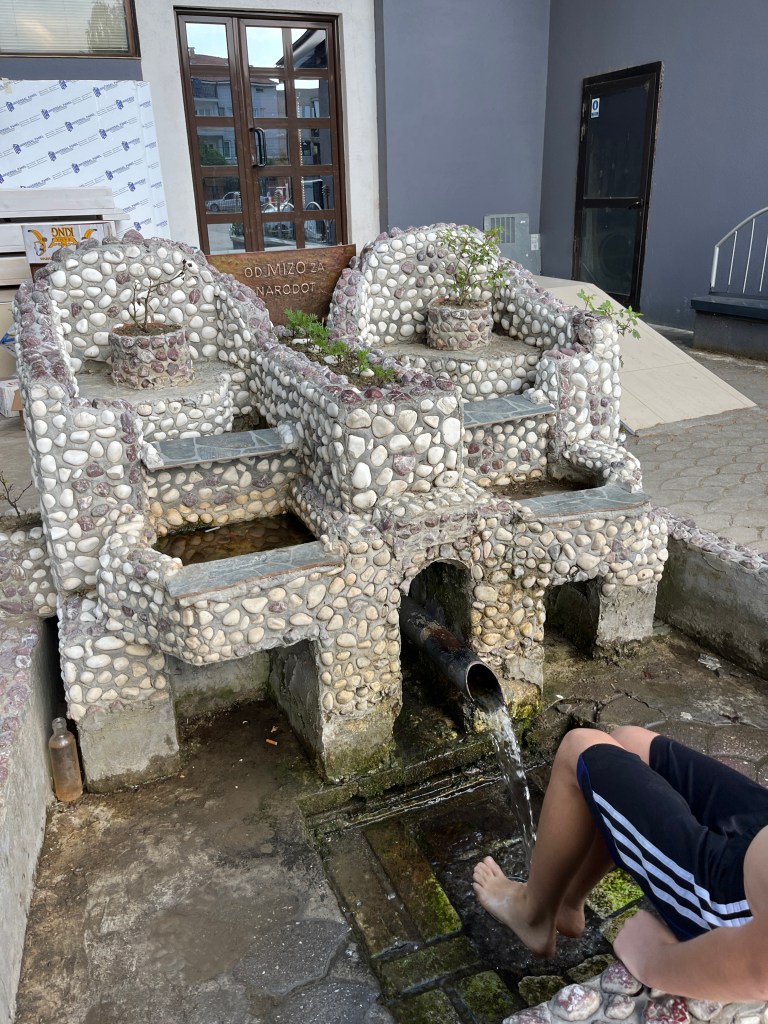
We did make it up to that fortress I’ve been circling all month. In the oldest record of Lake Ohrid (Polybus), the Macedonian King Philip II (Alexander the Great’s father) ordered a fortification to be built on the hill above the lake. It has been destroyed and rebuilt numerous times and thus bears marks of many eras, but there was no good signage to direct us to any particular features. (Lack of information is my one complaint about North Macedonian tourism.)Ohrid was the first capital of the Macedonian Slavs, and most of what we see today came from the time of Emperor Samoil (976-1014 AD). Due to the presence of natural springs within the walls of the fortification, it supposedly survived many sieges. As a fortification, the final days played out under an outlaw feudal lord names Dzeladin-Bey, who ruled Ohrid for a from the late 18th to early 19th century. Places like North Macedonia make you realise the vast amount of history no one really knows or talks about. (Perhaps this explains the lack of signage. Makes you appreciate all the keepers of history.) I mean, who was closely tracking the events of North Macedonia over the centuries? Millions of human lives did play out here without much note in the history books. Who knows what heroes and villains occupied these lands? Who can tell the tales of these less popular seats of civilisation? One can only imagine. Our boys had a bit of a go at reenacting the defence of a siege- hiding behind the battlement and popping out in the gaps called “crenels.” What a vista for such imaginings.Still impressed every time we find a gigantic dandelion.As we have done in all of our homes, anytime there is a champagne cork to pop, the boys try to catch it. The big one was successful… to the middle one’s annoyance. As it usually goes.Messaging a WhatApp number posted on a sailboat, we met Nicoli, a seasoned paraglider and sailboat skipper. He gave us a little introductory lesson on the lake. Nature, mechanics, physics, history, geography. Not sure I got it all, but we had a very nice time. He was also just a clever and witty person to chat with. I love Macedonians. Life has always been too crazy to train these boys to clean. We’ve taken some time for this in Ohrid. Of course, cash was involved. They are actually quite detail-oriented though. Promising!And they are hitting the kitchen duties too.This guy wants to learn how to cut hair and used his chore money to buy a trimmer. First hair cut wasn’t bad. Lessons learned on a dad who doesn’t mind. This is one shot of a long line of antics this ice cream man in Old Town performs with each cone order. Using this stick, he twists and turns the cone as the boys try to grab it. Then he peels the ice cream off when they finally get it, and they are left with an empty cone as he whacks them in the cheek with the ice cream on the stick. Even when you aren’t the customer, it’s fun to pause and watch the game with other people’s kids.Old Town has lots of neat, hefty features of olden days.Crabbing continues… and we learn more about the story of this special species… down the scroll…We took a “semi-submarine” ride to look at the bottom of the lake. This guide was so short on information that we didn’t even learn his name.He whacked into the reeds a bit too much for our liking. We weren’t happy to be contributing to the habitat loss of the nesting aquatic birds. Some of the buildings are really about to fall down, it seems. There are lights on in the upper floor of this one at night. Someone is “home.”A nice sign on my morning route.Prof. Dr. Biljana Budzakoska and Prof. Dr Sasho Trajanovsji of the Hydrobiological Institute in Ohrid welcomed our family for a visit to their lab. We’d heard about Lake Ohrid’s exceptional biodiversity- over 1,200 different species of plants and animals, including over 200 that are endemic (found no where else in the world). We wanted to learn what we could about this special underwater world, so we set up an appointment.In case the meeting was boring, we brought our own specimens to contribute to the conversation. The little one had found these cicada-like shells along the shoreline while crabbing. We wanted to know more about them. It turns out that they are actually dragonfly beginnings. After hatching from an egg in the lake, the dragonflies live in water for awhile before emerge from the water to shed these nymph phase shells. After this, they have wings, and we see them flitting all around, sparkling in the sun. Would not have guessed that. Dr. Biljana identified the exact species for us.Our biologist friends had just been out in the field and were identifying all the specimens they had collected. They were so generous to welcome us in to spy on their activities. It was exactly what I had hoped the boys would see: cool, passionate people geeking out in systematic ways on the miracles of life’s diversity. (That should be the definition of a “biologist,” no?). The boys had lots of questions. We all did, actually. It was fun to realise how much life we, ourselves, had observed here in our short time and then to be able to ask the experts all about it.This is a Lake Ohrid leech.Little Lake ShrimpAside from monitoring the cleanliness of the Lake Water, the institute also works to keep the population of “famous” lake trout out of the danger zone. Each year these trout spawn in tanks, and the fry are then release into the lake. The problem with this is that although North Macedonia enforces their laws about not fishing, Albania, which shares the lake, does not. So the North Macedonians keep putting the trout into the lake, and the Albanians keep taking them out. Humans!The biologists were surprised to know that we had caught so many crabs. Apparently, the crabs were all but gone and have just started to return to the lake, which conservationists are very excited about. However, because the crabs had been “gone” for so long, there is an “ecological” person spreading rumours that these newly appearing crabs are invasive. People are apparently happily killing them as pests. It’s hard to get a campaign out to educate people on the science of these things, apparently. Poor crabs.This is one of the many springs in the area. I still find it amazing that such beautiful water just flows from the earth. Even when I read the science, it doesn’t seem to sufficiently explain this clean outpouring of life-sustainment.I read later that this statue is a legendary woman named Biljana- it is also the name of the springs, and the biologist, and our neighbour Tomas’ wife. There are two legends. In both, Biljana washes clothes in the spring water with her friends, and she is the most beautiful of them all. One says she was supposed to close the gate to the spring when she finished washing, but she fell in love and made off with a traveller and forgot. Thus Lake Ohrid was formed. In the other, she is abducted by a spirit of the lake because of her beauty, and her tears make the springs that flow today.The next victim.And so we hit the road to Greece. On the road, we noticed lots of little differences. Fields of sunflowers, signs warning of bear-crossings, and these little model churches (some we passed were way more elaborate than this). I scoffed when my partner speculated that they were built at the site of accidents. It seemed ridiculus that such substantial structures would be made in honour of car deaths. However, he was right, and I had to apologise. They are called kandylakia.The kandylakia are built both to memorialise accidents and to express gratitude for surviving accidents. They are little shrines much like you can see in many Asian countries, but here they have olive oil as an offering and many images of Christian figures. As we drove our path, I tried to recognise their significance as reminders to be grateful and to respect how quickly one’s fate can change. Our first stop was Pella, where Alexander the Great was born. We stopped by the gate of the Palace of Pella ruins, but it was a moment of accepting the things we “do not do,” as it would have taken a lot of coaxing and coaching to raise any meaning from the pretty flat ruins that remain. And we didn’t want to pay for this futile exercise. Not this day. The local archeological museum offered a much better means of resurrecting the past. The artful capabilities of antiquity are so impressive. These are moulds that helped us discuss how casting works and why it would be done this way.This spread was impressive. Each of these displays is the findings of a grave of an honoured soldier.Next to them there is a photo of what the site looked like and then the collection of what they found in the grave. I could have spent a very long time reading about these. I had hoped to see a gold funerary mask in one of the museums. This is one of the images on the 500 denar note in North Macedonia. We ended up seeing a lot in the museums. They think these thin gold masks pressed onto the face of the deceased or hammered to their likeness prior to placement were possibly made to preserve their identity for the afterlife. Or something like that. Gold masks have been used in burials in Peru, the Philippines, old Siam, and Egypt too. An interesting practice to consider.Our very artful apartment in Thessaloniki, Greece.Thessaloniki is the second largest city in Greece and the capital of the geographic region of Greek Macedonia. (When I said to a lady in the apartment hallway that we were staying in North Macedonia but had come here for the weekend. She said, “THIS is North Macedonia! If they are Macedonian, why don’t they speak Greek?” The controversy continues to run deep despite all the concessions made.)To attempt to be a bit diverse in our activities, we booked a visit to the Museum of Illusions in Thessaloniki.It was a very engaging place.This next series of photos is pretty weird. Disturbing, actually. They are strips of mirror that allow you to splice faces. The middle boy and Mom/Mum here.The Middle and the Big.Dad and the Little.Mom/Mum and the Big.And the scariest of all… Mum/Mom and Dad. How in the world are our boys so handsome?!?This optical illusion evened the playing field for the little brother! Ha-HA!He was finally as big as he feels! This one requires photo rotation. Many were just silly but quite a few had us seriously puzzling how the mind works. More prayers for peace.In Pella, we had wondered how ancient potters managed to make such large vessels. (There were a lot with different potters’ stamps and a map to show where they all had come from.) In the archeological museum in Thessaloniki, which Dad and I each went to separately on our own, this sign showed that pottery was often done on a wheel which was spun by an assistant. Ceramics is tricky as hell nowadays. I cannot imagine how they managed such epic artworks with workshop capabilities of the past. Total respect.A lot of these were just entitled “bust of a woman” or “head of a young man.” It was a bit unsettling to consider the people whose likeness the stone is intended to capture. Who were they? Were they wise and kind? Jokers? Healers? Bipolar? Social butterflies? Who’s to know. I felt a bit strange in this space. Always admiring the mosaics. How do they get that look in the eyes? And how is it still there after all these centuries?Now, this statue you are allowed to acknowledge is Alexander the Great… unlike Skopje’s “Warrior on a Horse.”Greek BeerThis entry to the Museum of the Royal Tombs in Aigai (Aegae) in Vergina leads beneath a very large funeral mound. This is where Philip II, Macedonian king and father of Alexander the Great, is said to have been buried. However, just last month, there was news in the archaeology community that “conclusively” rules out that it was his remains found here. (https://archaeologymag.com/2025/05/vergina-tomb-doesnt-belong-to-philip-ii/) The museum hadn’t acknowledged this yet. Is the tomb of Philip II yet to be found? Don’t watch this space!Shin guards and other equipment for battle and games were beautifully displayed in this very dark museum. I found it hard to keep an eye on the boys and take in the artefacts. As we entered, they said “No flash and no selfies.” Easy enough. However, they meant that they didn’t want anyone photographed with the exhibits. I got scolded for this shot of a boy’s silhouette. Respect for the dead? I didn’t ask. Some images just jump to be seen, don’t they? This face at the bottom of a bowl is the head of Silenus, who was a companion of the god Dionysus and also a known lover of wine and merriment. He is said to have become wiser and even prophetic as he became drunk. There were some strikingly well-preserved and pieced together wooden artifacts.I was particularly interested in seeing this box that bears the Vergina Sun (or Vergina Star). This image is on the “old” North Macedonian flag, the one they were required to change as part of the Prespa Agreement, stripping them of any claims to the ancient Kingdom of Macedon. (See photo below of this retired flag.) This box is called the Golden Larnax and held the cremated remains of a man… long-thought to be Philip II.The retired flag still flies in some places, like outside a shop here in Old Town Ohrid. The Vergina Sun has 16 rays. The current North Macedonian Flag, adopted in 2019, looks similar but has eight rays that reach the edge of the flag. It is called “The New Sun of Liberty.”Descent to a Tomb- this one is thought to possibly be the son of Alexander the Great. “How do we know that?” was a valid question from a boy. Critical thinking. Tick. Always good to question what we are told. But, alas, I’m just a world-school mum/mom, mumbling things about carbon-dating and ancient DNA analysis. How do we know any of this? In many countries, waterspouts and fountains seem to be more respected. Even at this petrol station where we had a case of ice cream sticky fingers to resolve, the faucet has a painted little arch and basin. This would just be a spigot sticking out of a wall in Australia or America. Zero aesthetic thought. Here, there are many water sources with brass levers, colourful icons, ornate brickwork, and massive stone bowls and bases. Turkey has some gorgeous white marble ones built into the walls around the city, gold Arabic script and flowery etchings that stop you in your tracks. I think we will see more of this as we move through Europe. I’ve got my eye out now. I love this honouring of a water source. Another example near the beach in Ohrid.Back “home,” we are savouring our last days in Ohrid. This place has left its mark on us all.
Wow Dede, Ohrid looks amazing! I’ve never heard of it before, thank you for taking us there! Your words are just as amazing as the destination…you paint such a full and intricate picture, so artistic and poetic, as breathtaking as the adventure!! 🩷🤗🤗🤗













 Mapping the Gap
Leave a comment