We called the Tourist Police on our cabbie from the airport for over-charging us. Later, in Istanbul, a tour guide warned us that the taxi drivers are the biggest scammers in the nation. We didn’t have an amazing resolution this day, but the boys loved the whole ordeal.
We are halfway through our time in Turkey, which is actually pronounced “Turkey-eh.” Our week-long road trip around the northwest of the country was a beautiful one- changing landscapes, kind and engaging people, delicious local treats, and history- lots and lots of history. The old, old kind.
Because of this, I had to get my Turkish history straight to even begin to understand all we were seeing here. This is the crude timeline I refer to in my mind: Prehistoric – Greek – Roman – Byzantine – Ottoman – Modern Republic of Turkey. Each of those had a few centuries to have their cultural influence and leave their architectural and artistic marks. There are also many other elements to this history- from Mongol invasions to Christian Crusaders, from Genoese settlers to Balkan and World wars. It was the gateway to the Silk Road. You can imagine. There’s a lot. I won’t try to take it all in. All the details are quite captivating though, and I wish I had more time to focus and absorb the storied Turkish past, but I’ll just snag whatever flows through our days, and I’ll pass on what I think is cool. No effort at being comprehensive. I’ll be selective and subjective as hell, but I’ll try to be clear. Here’s what we learned on the road.
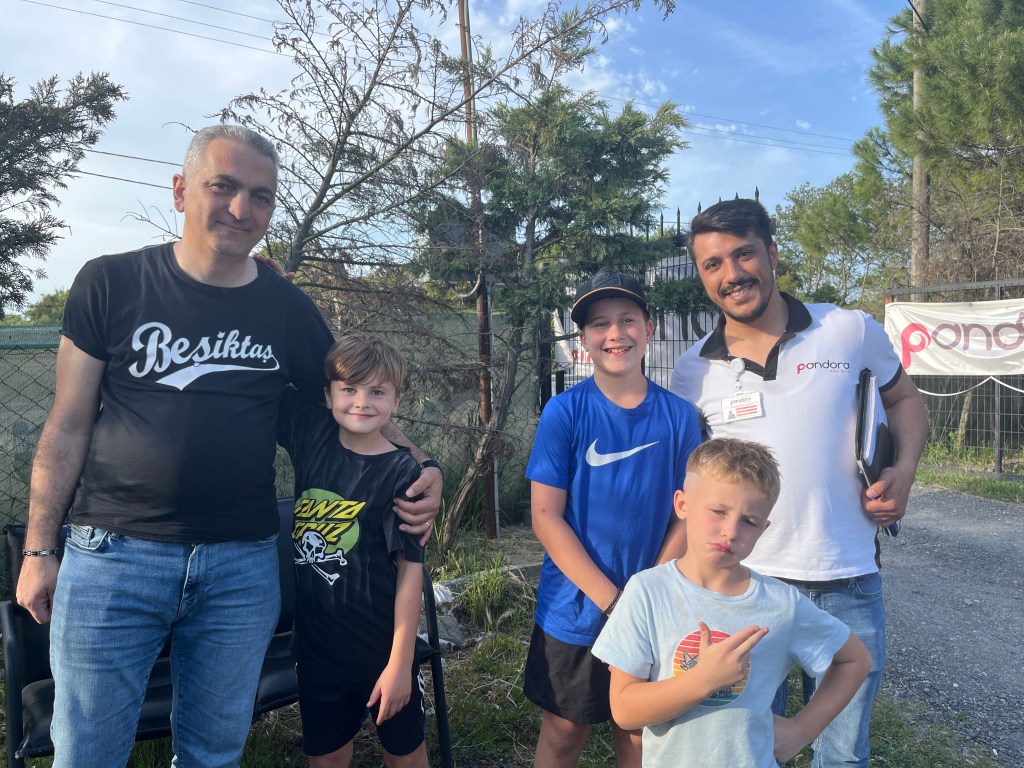
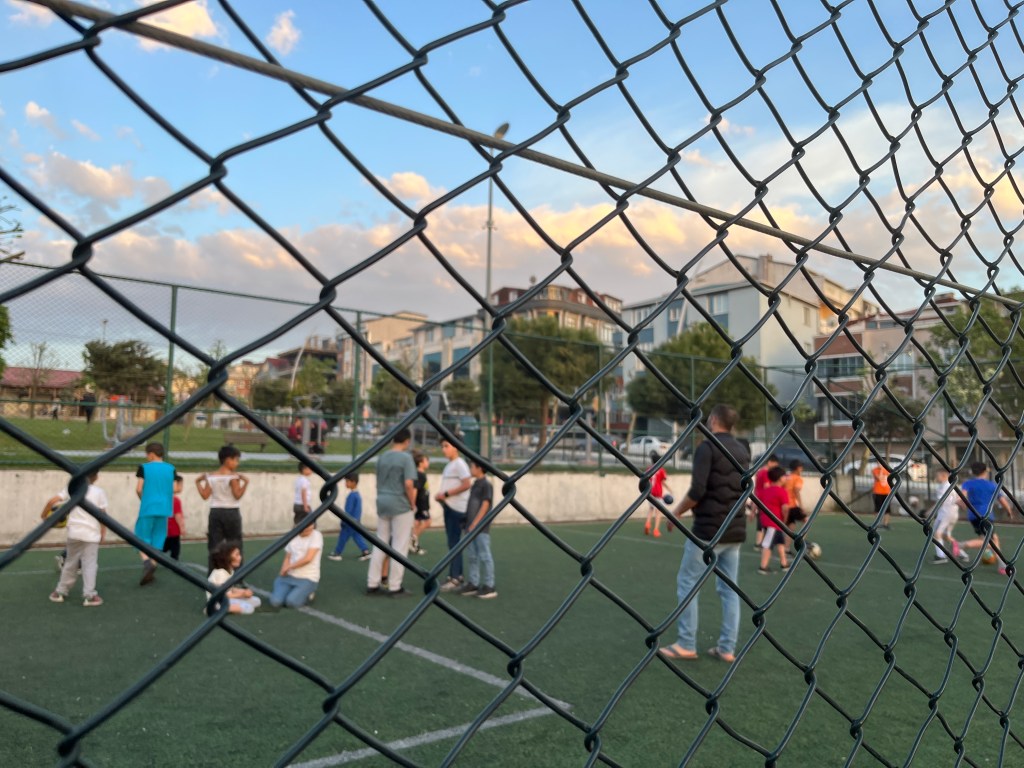
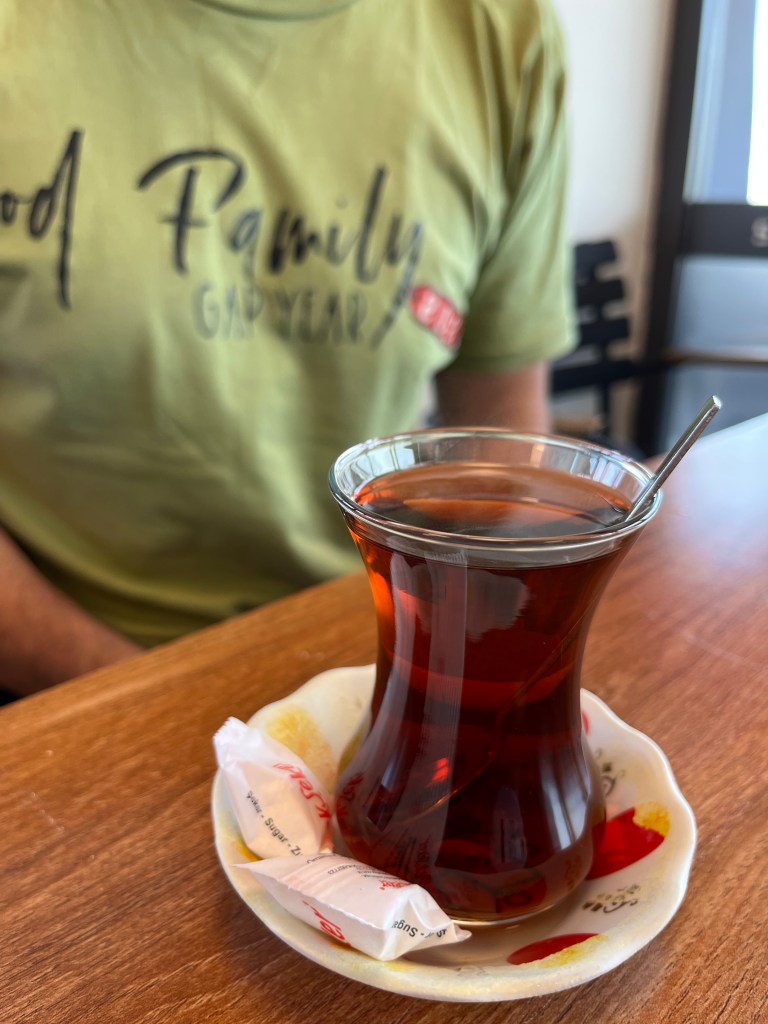
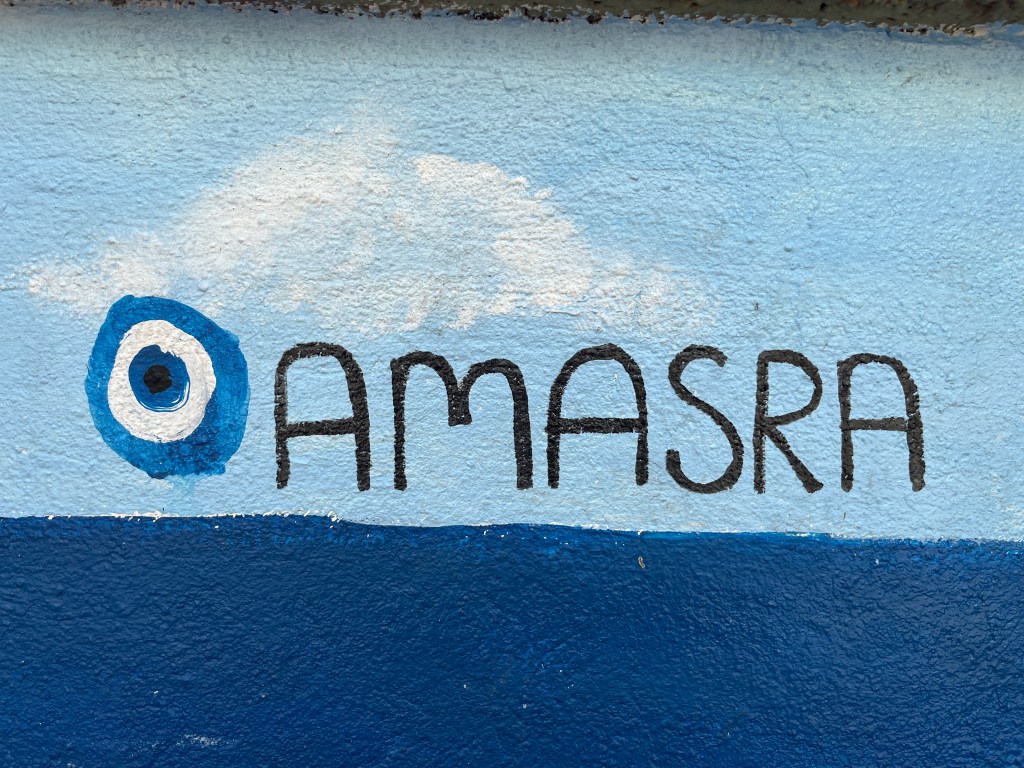
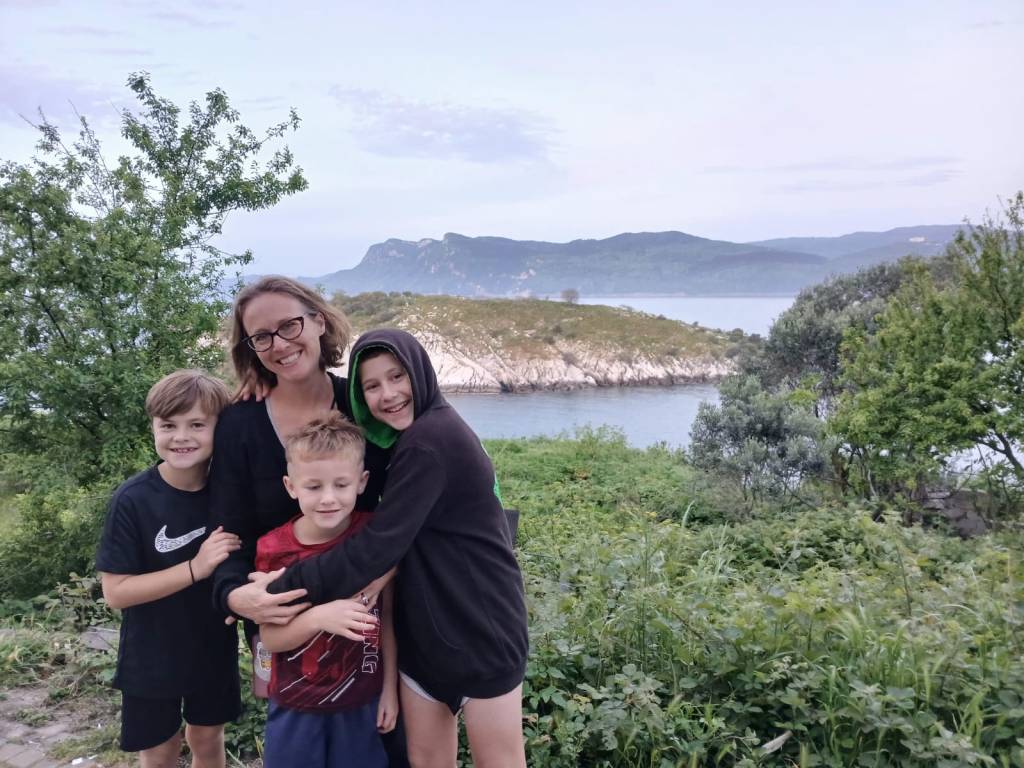
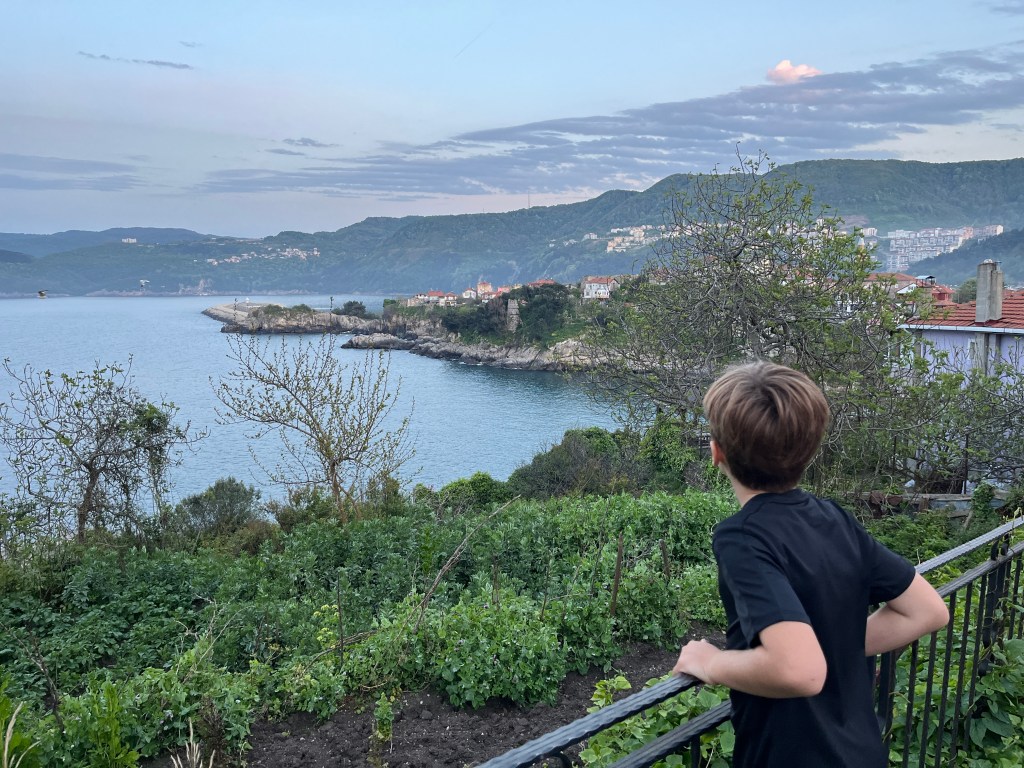
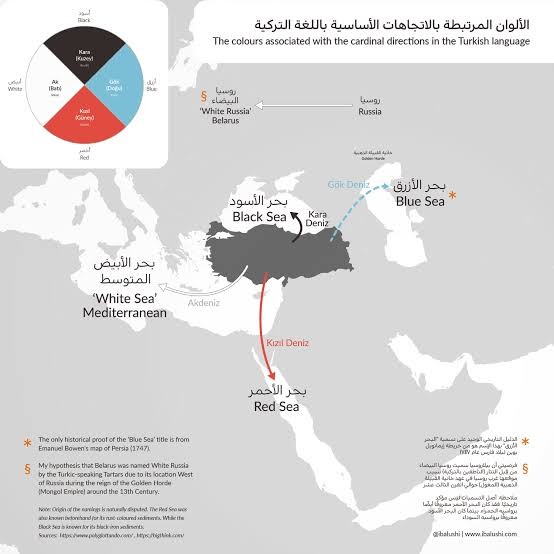
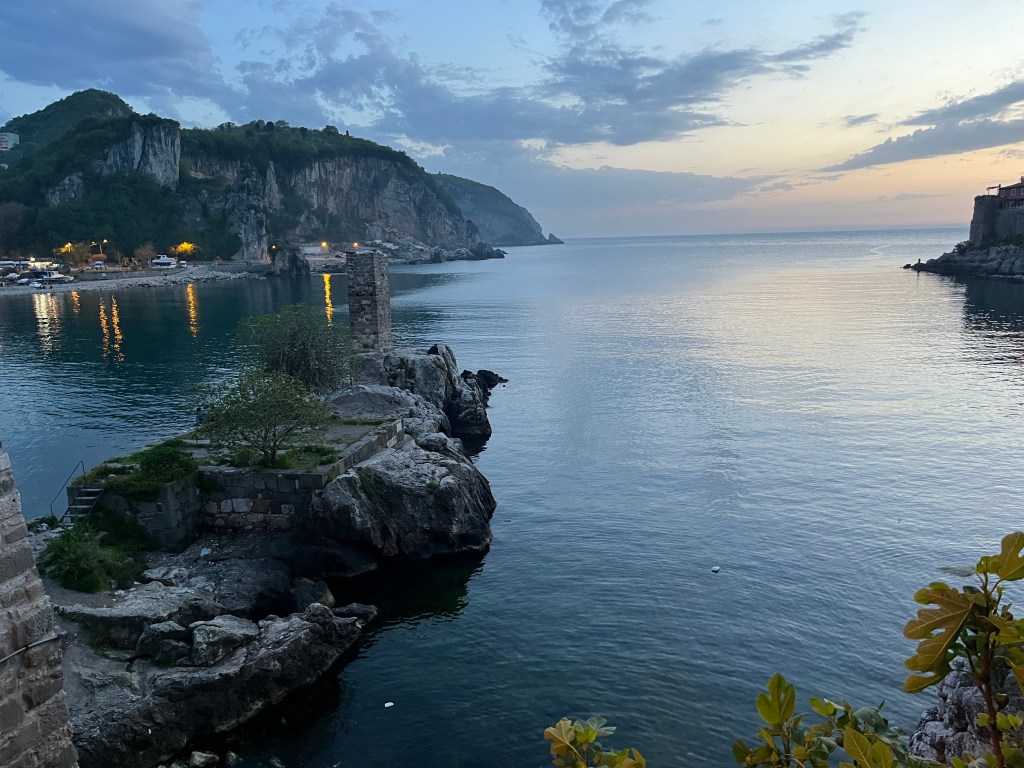
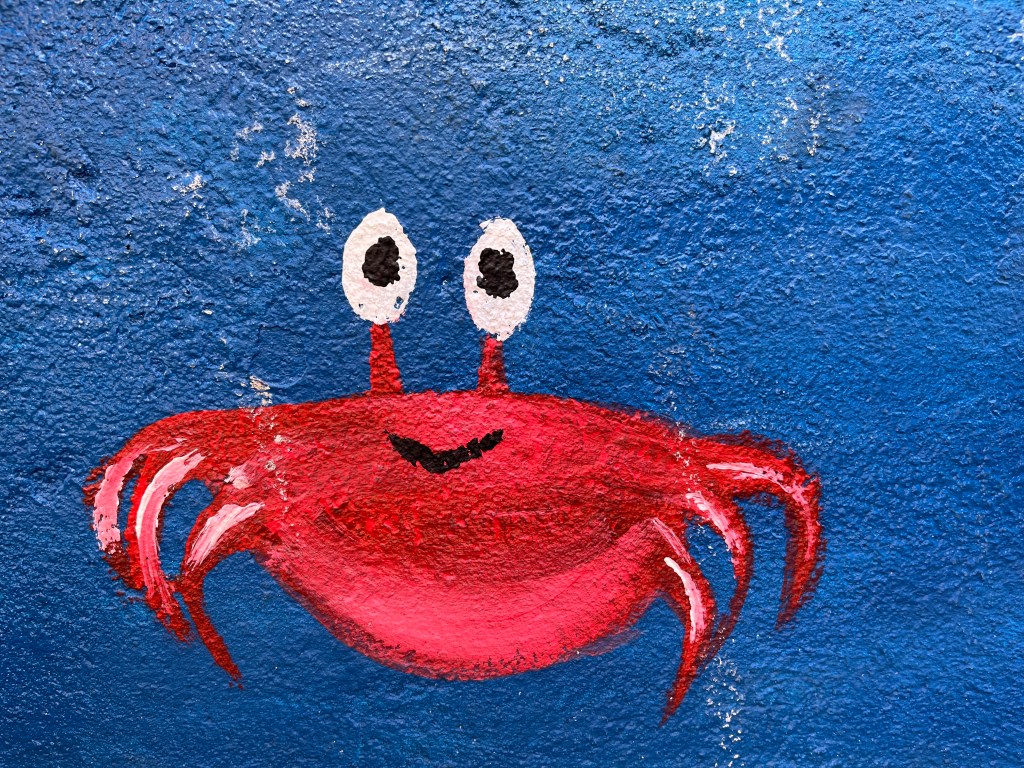
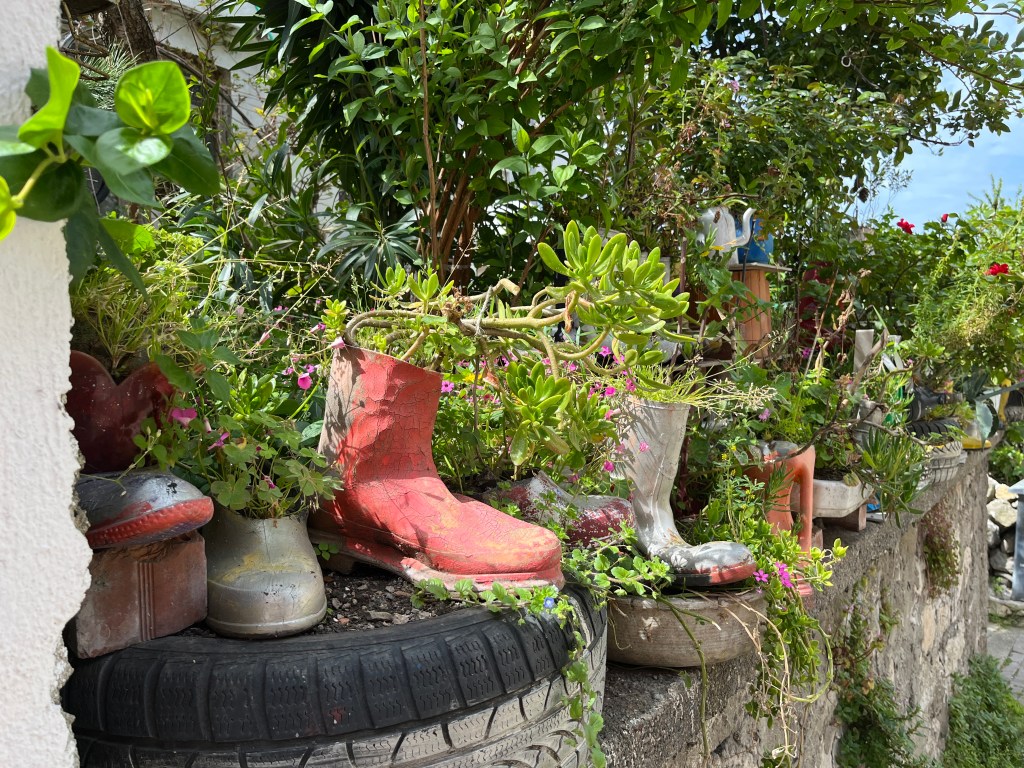
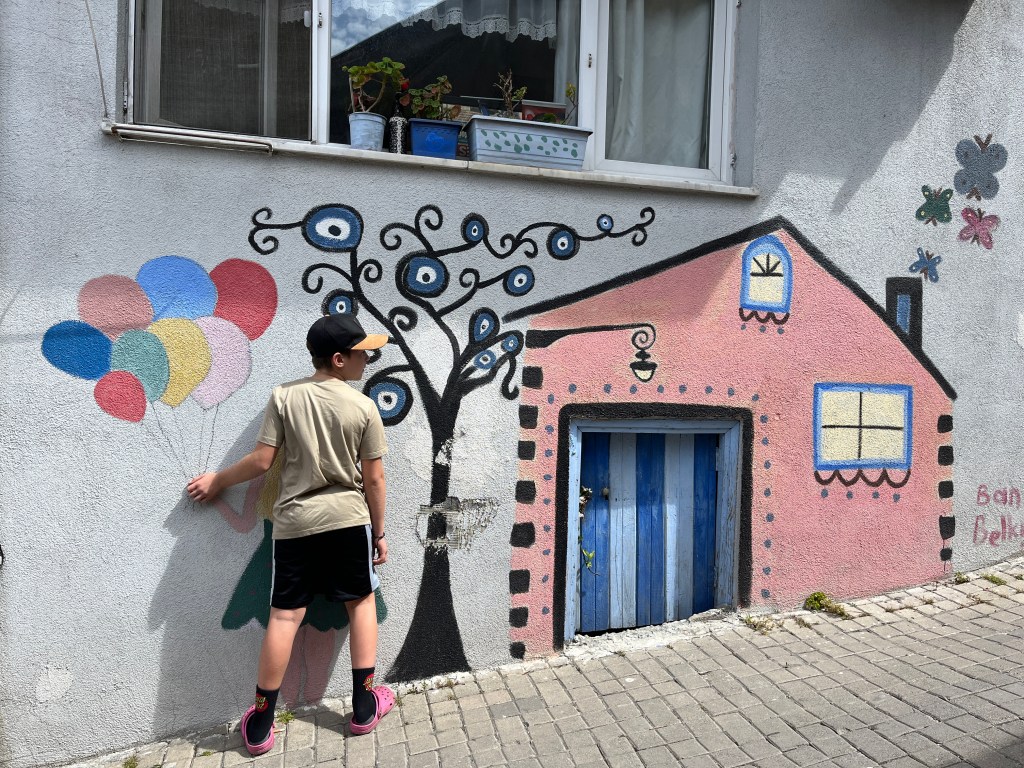
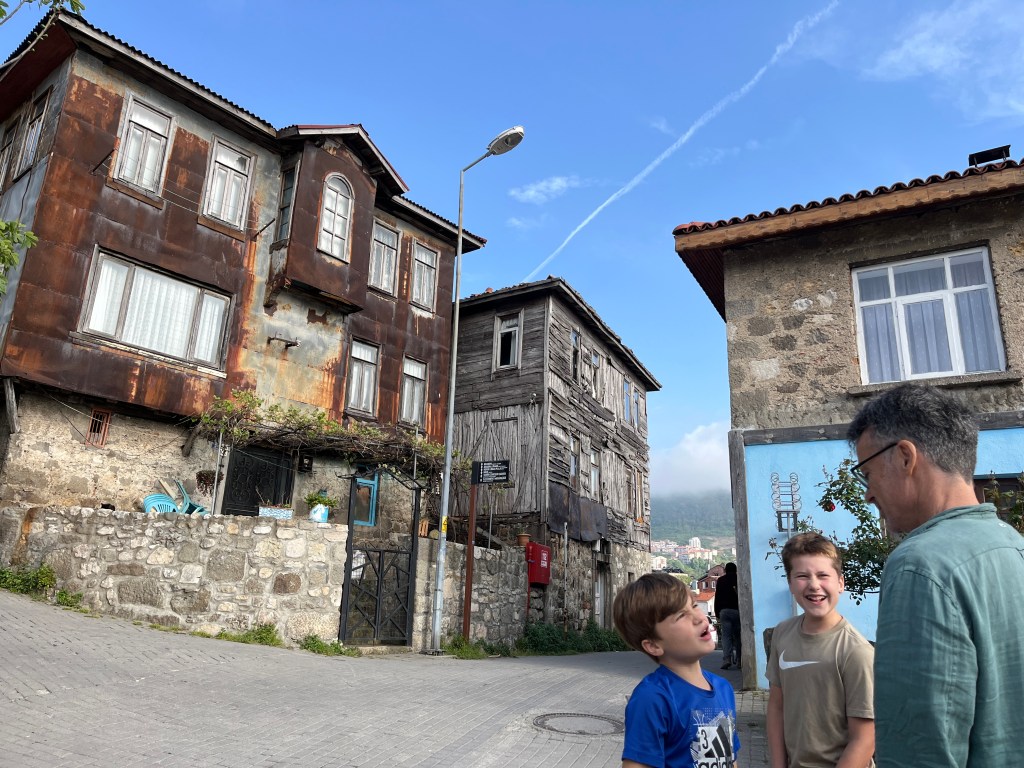
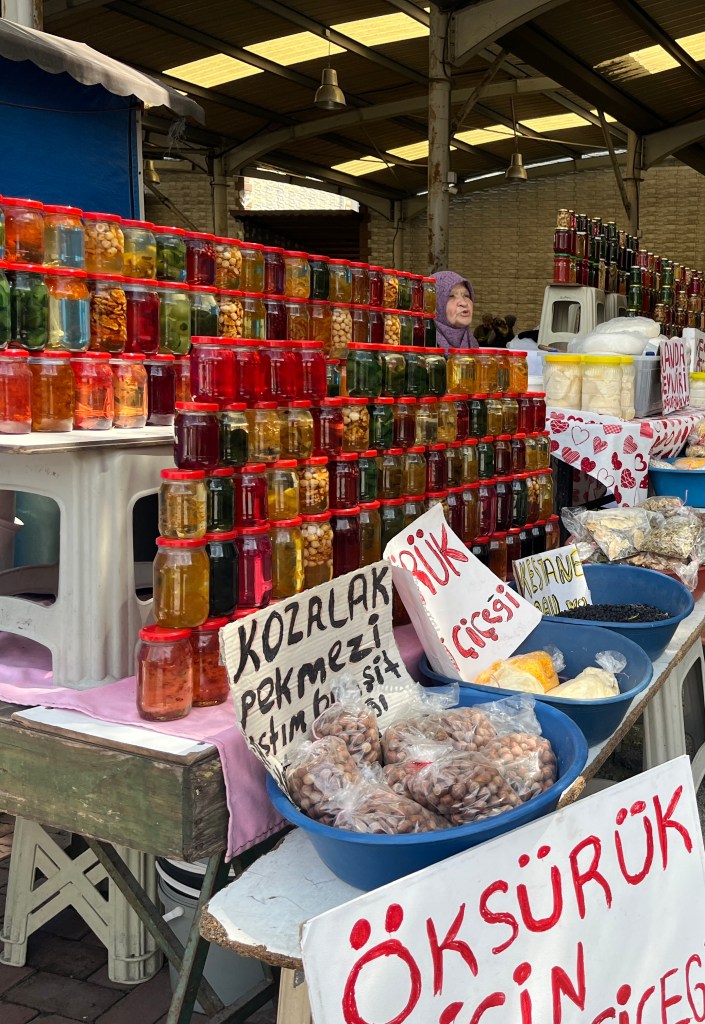
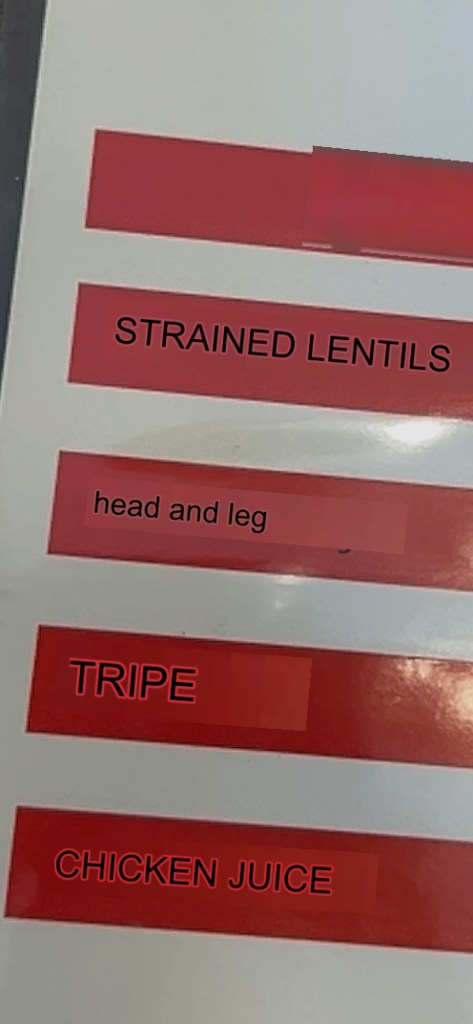
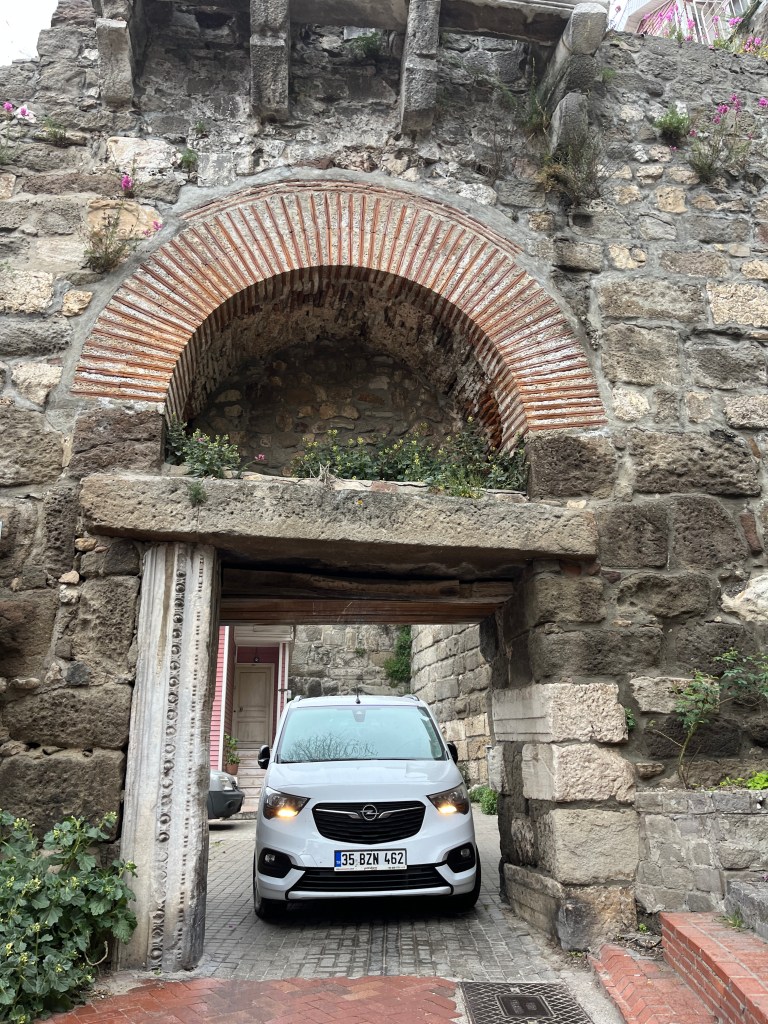
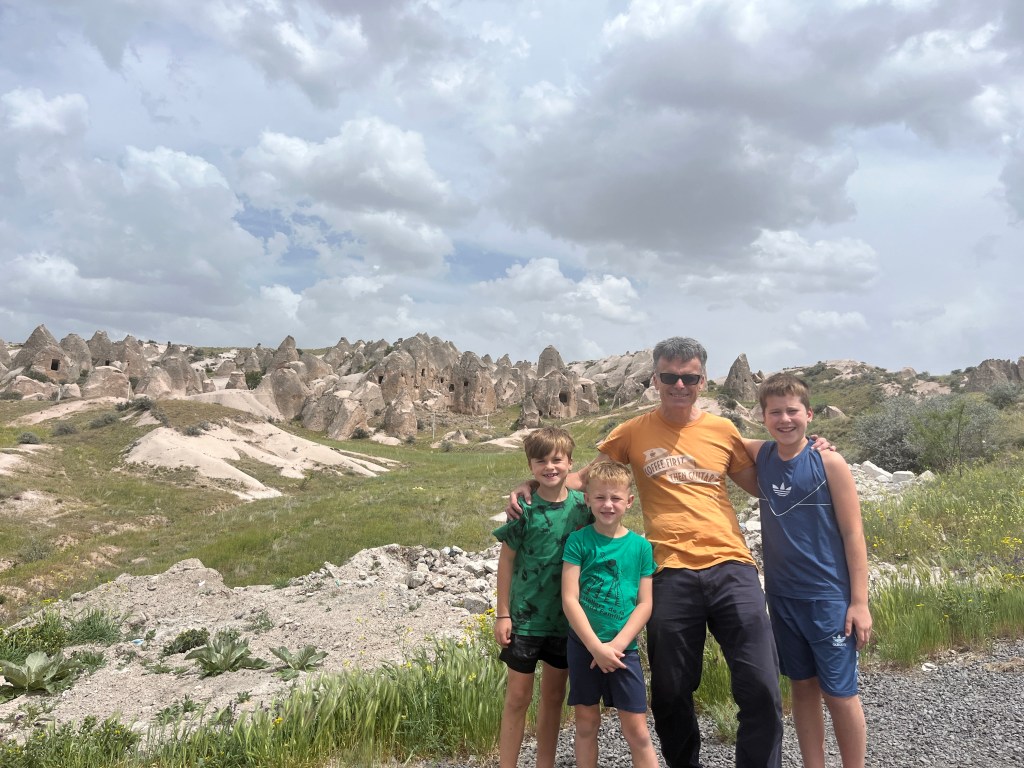
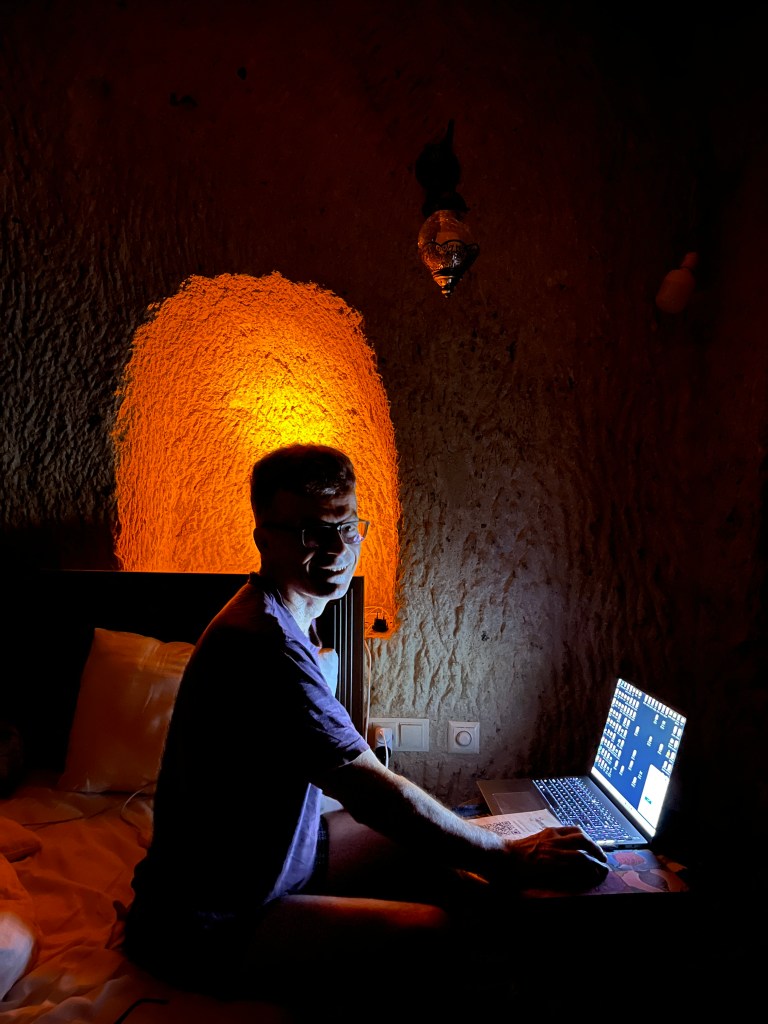
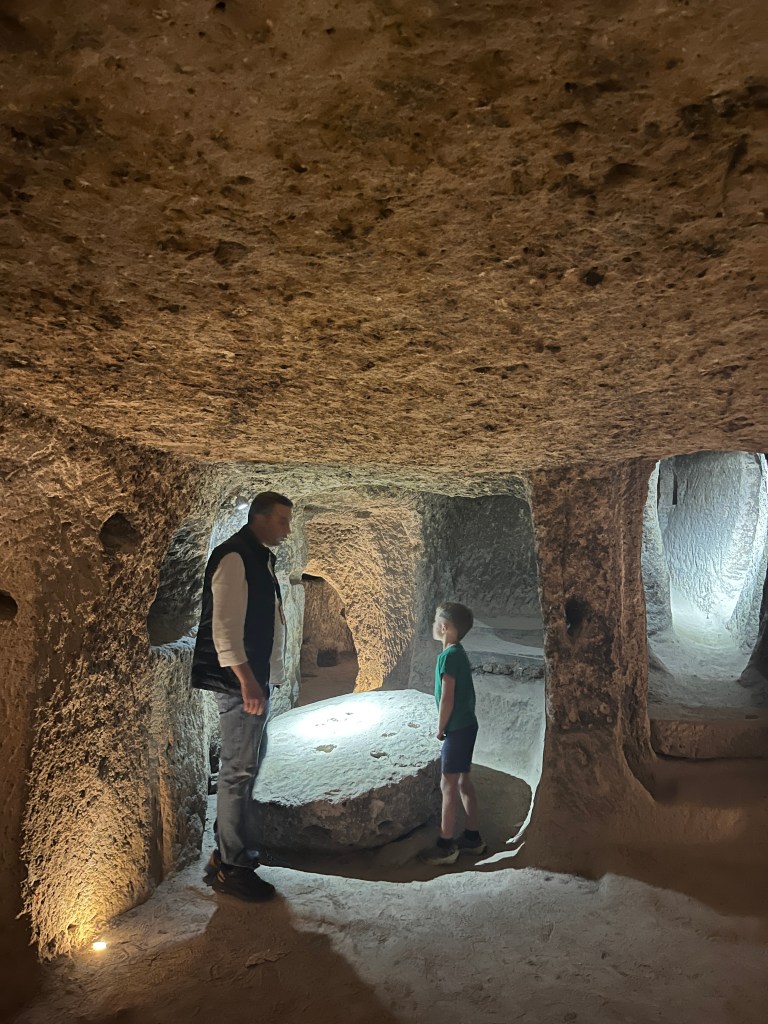
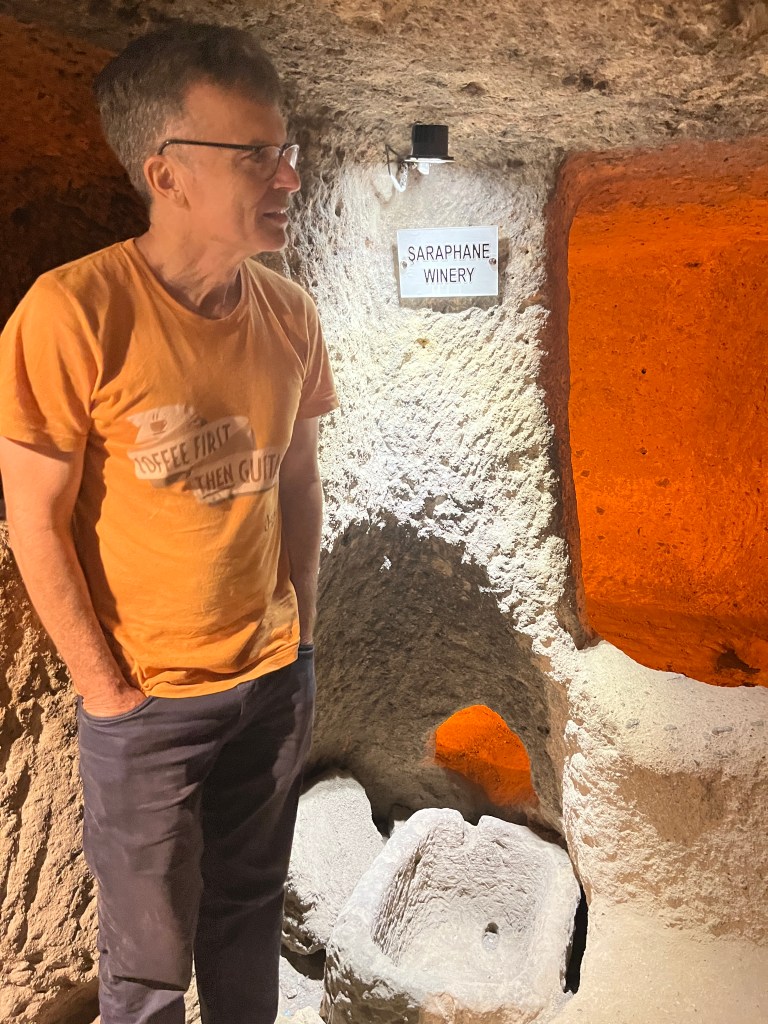
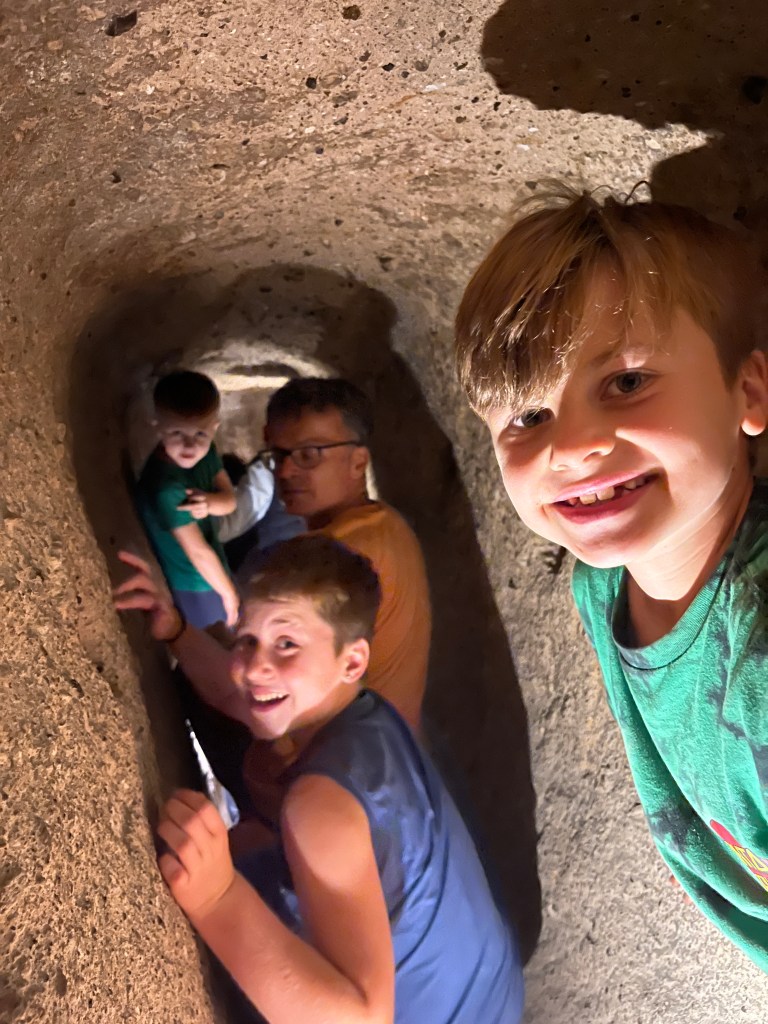
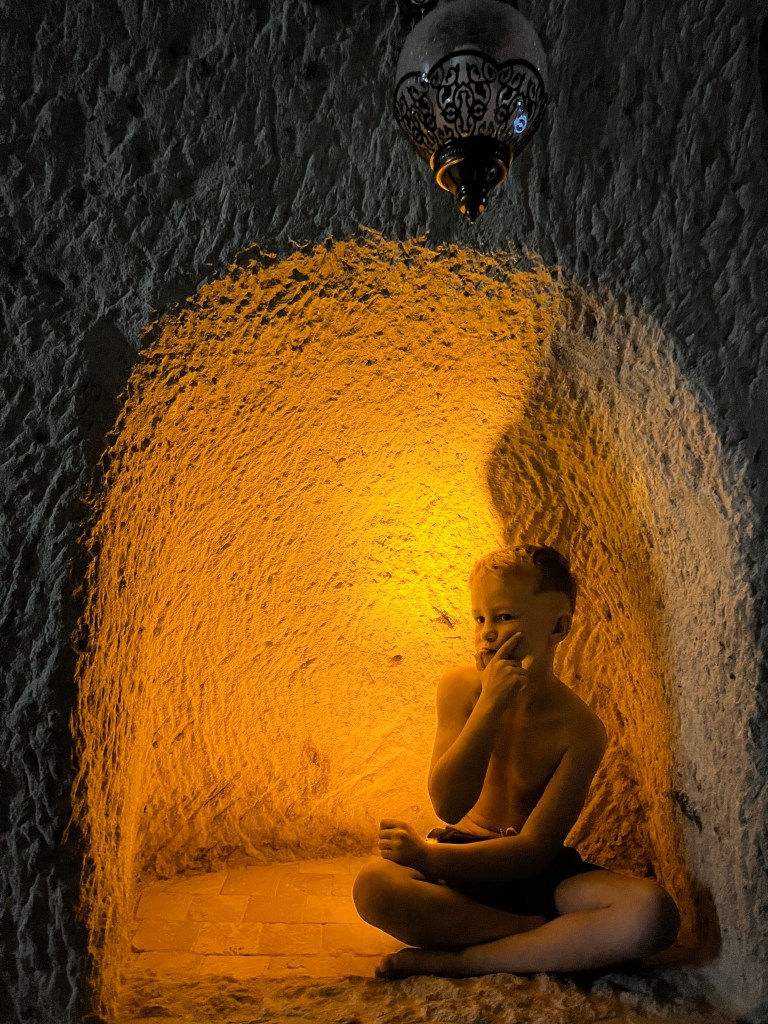
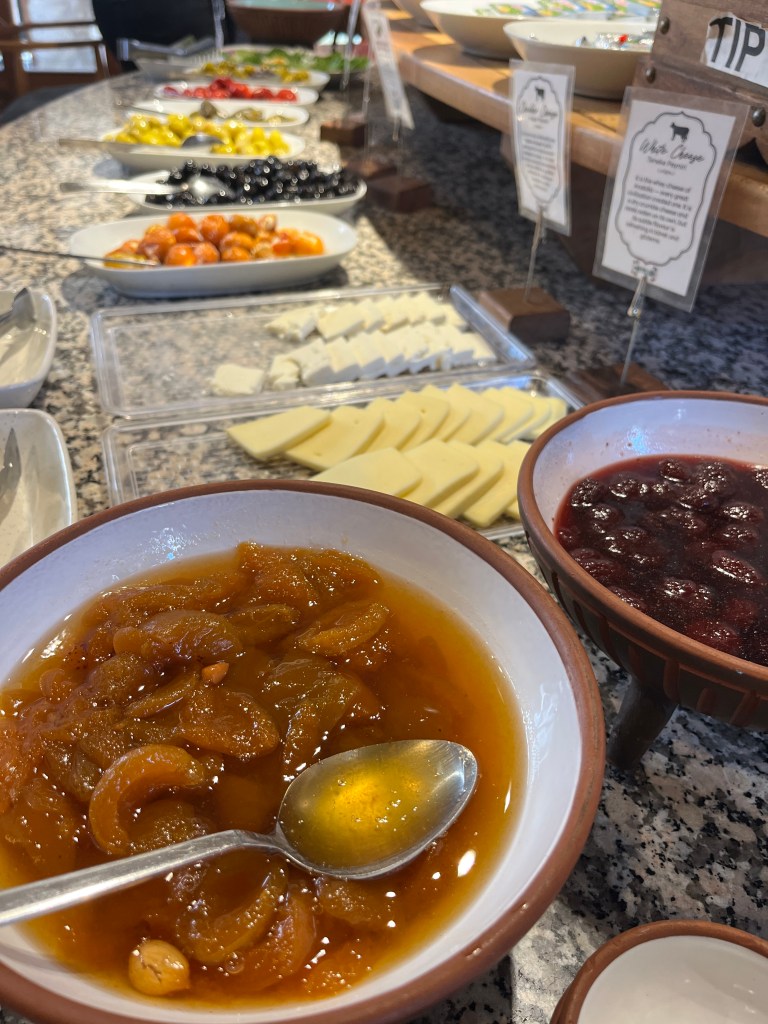
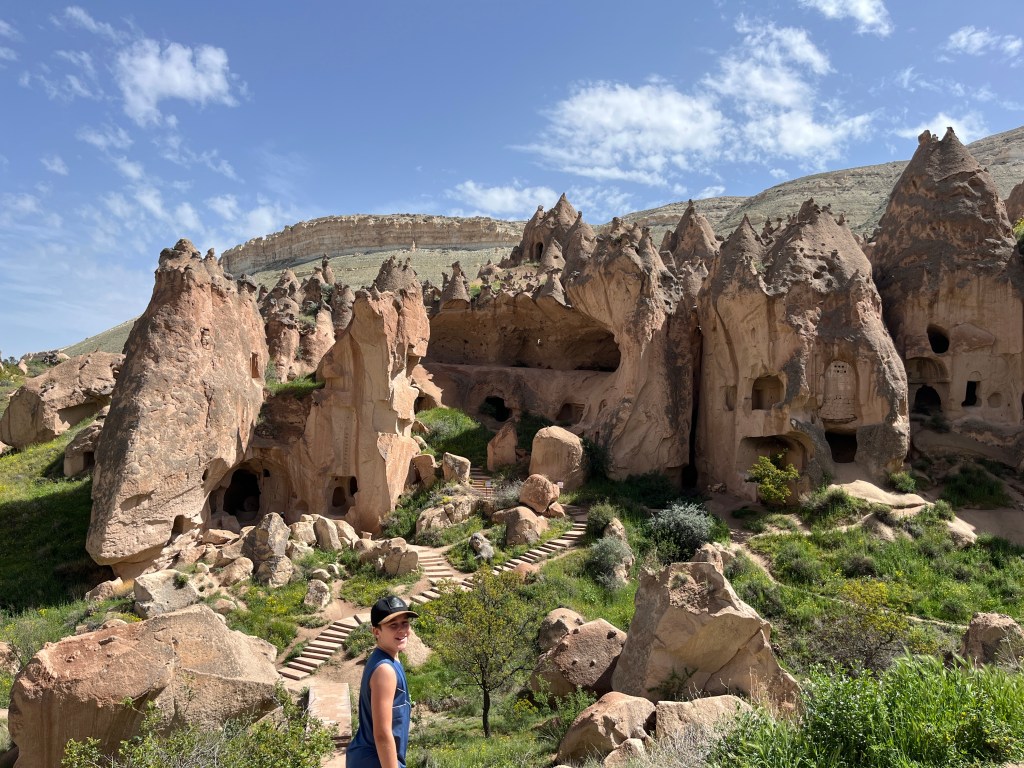
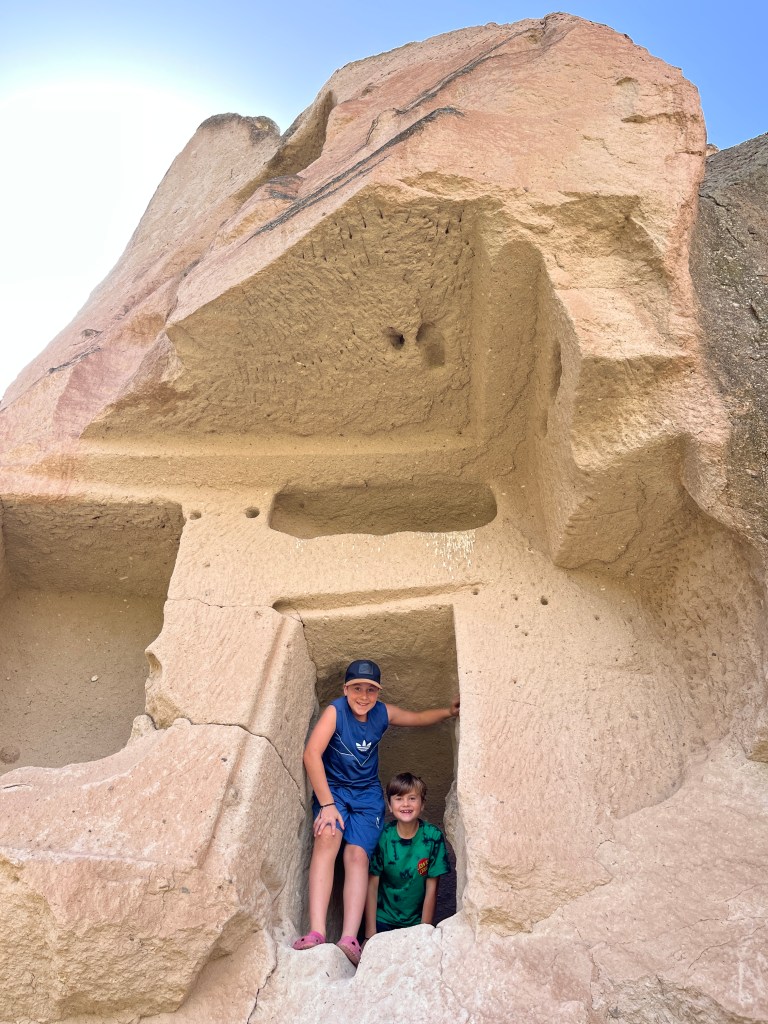
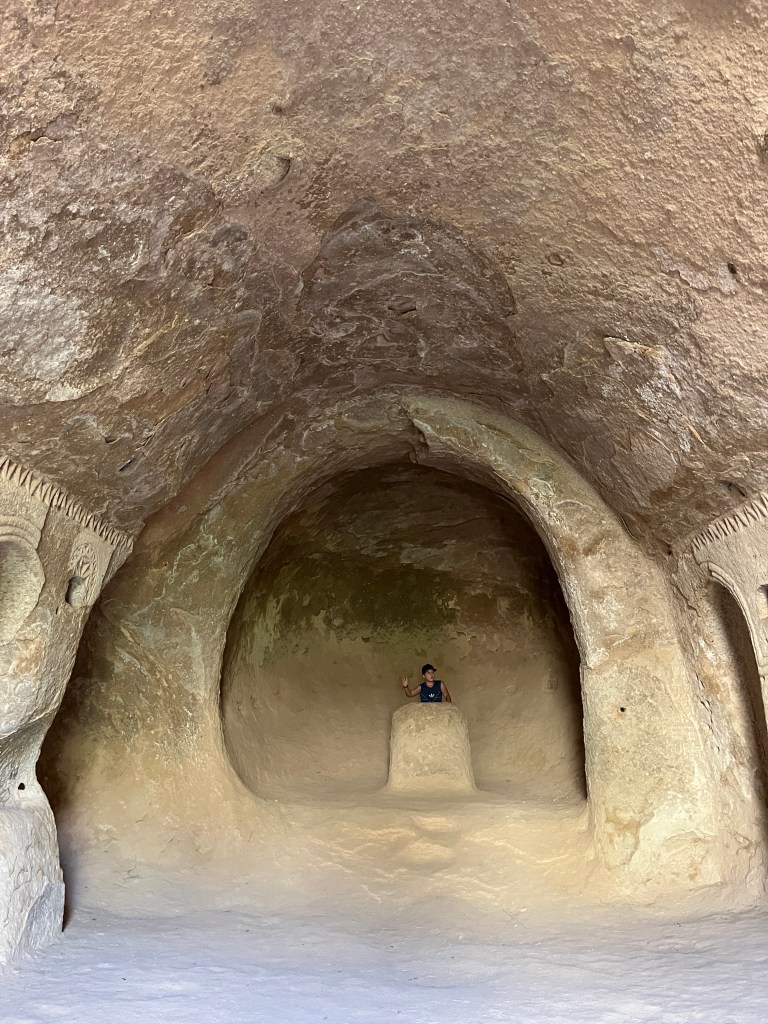
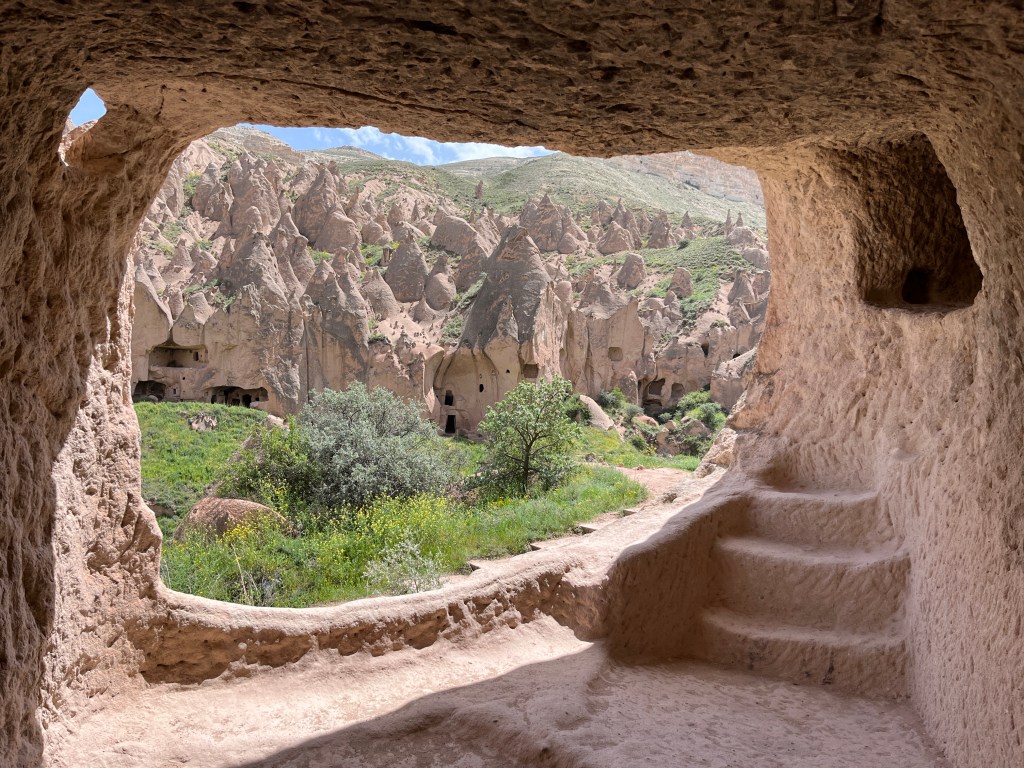
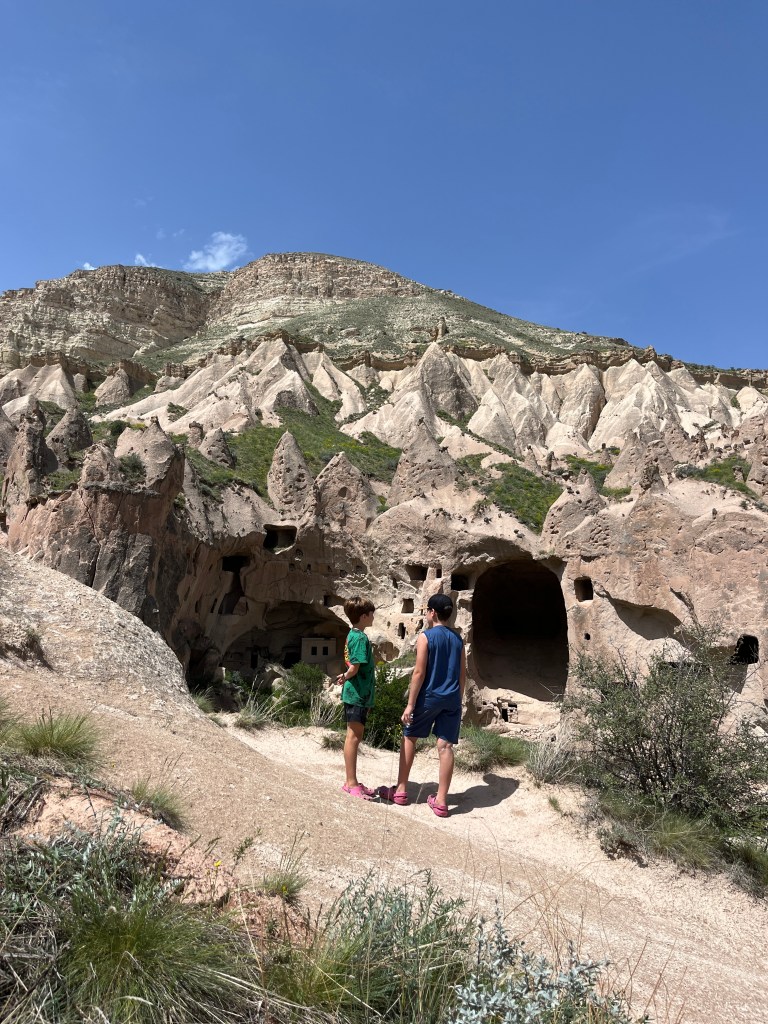
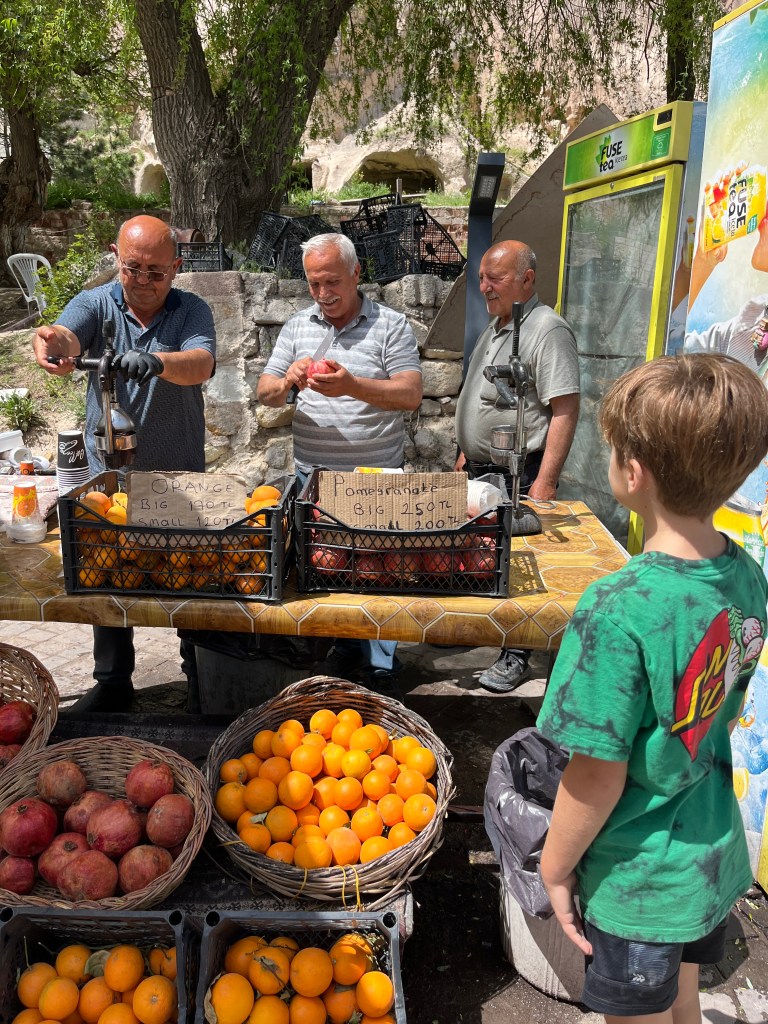
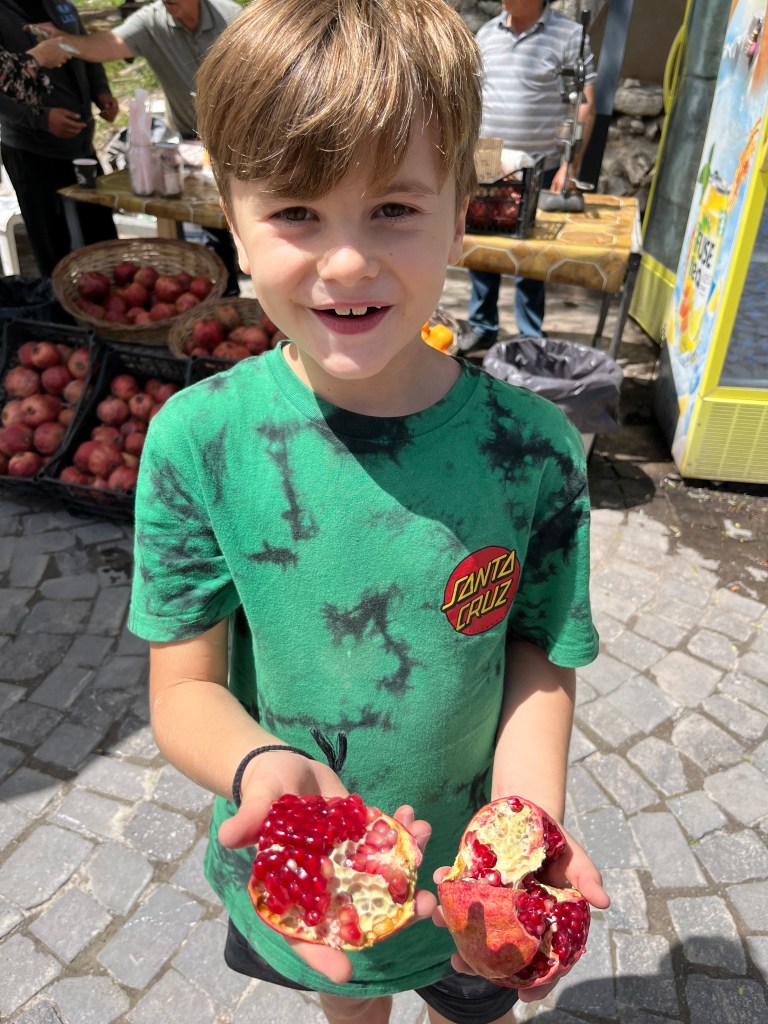
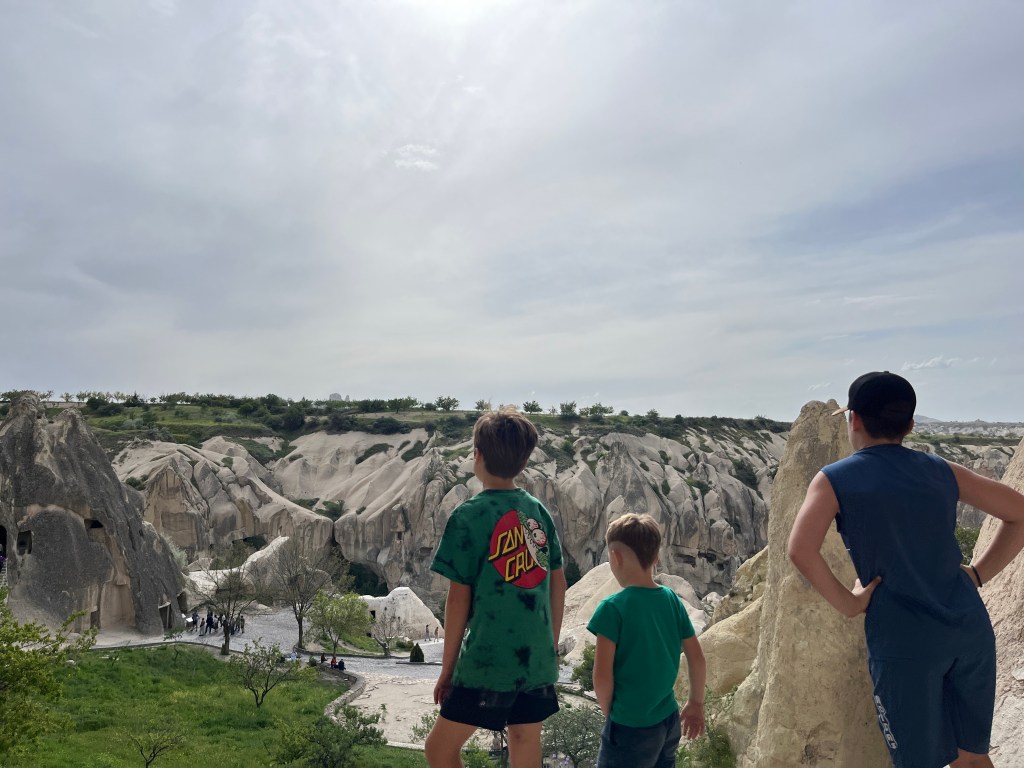
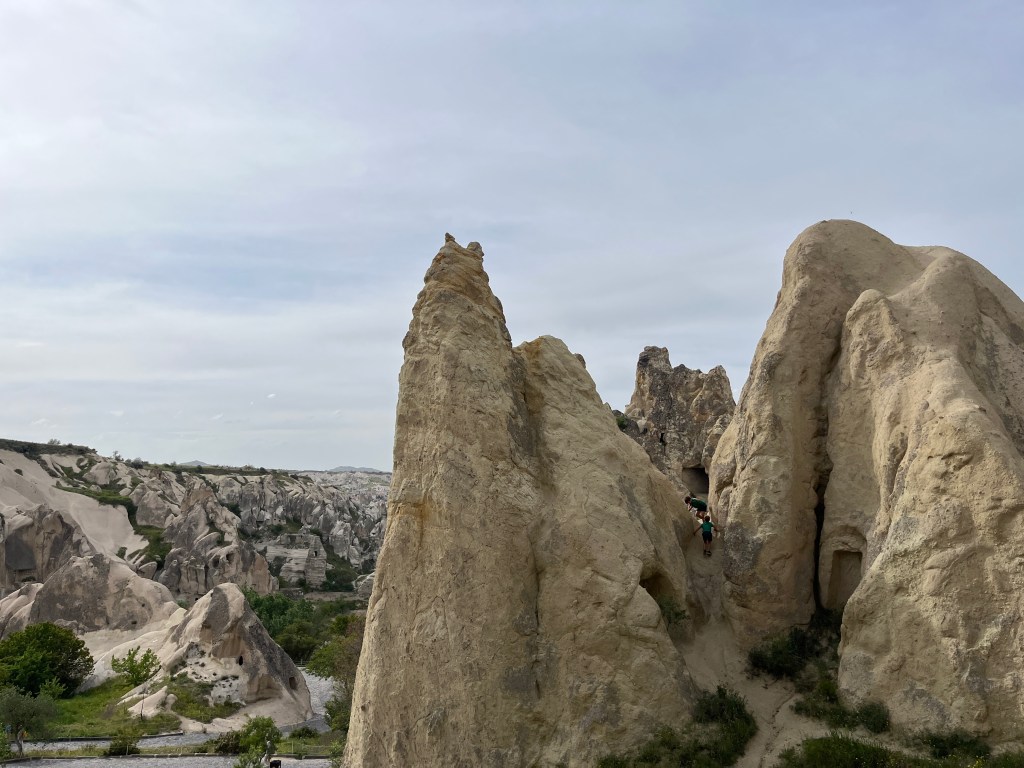
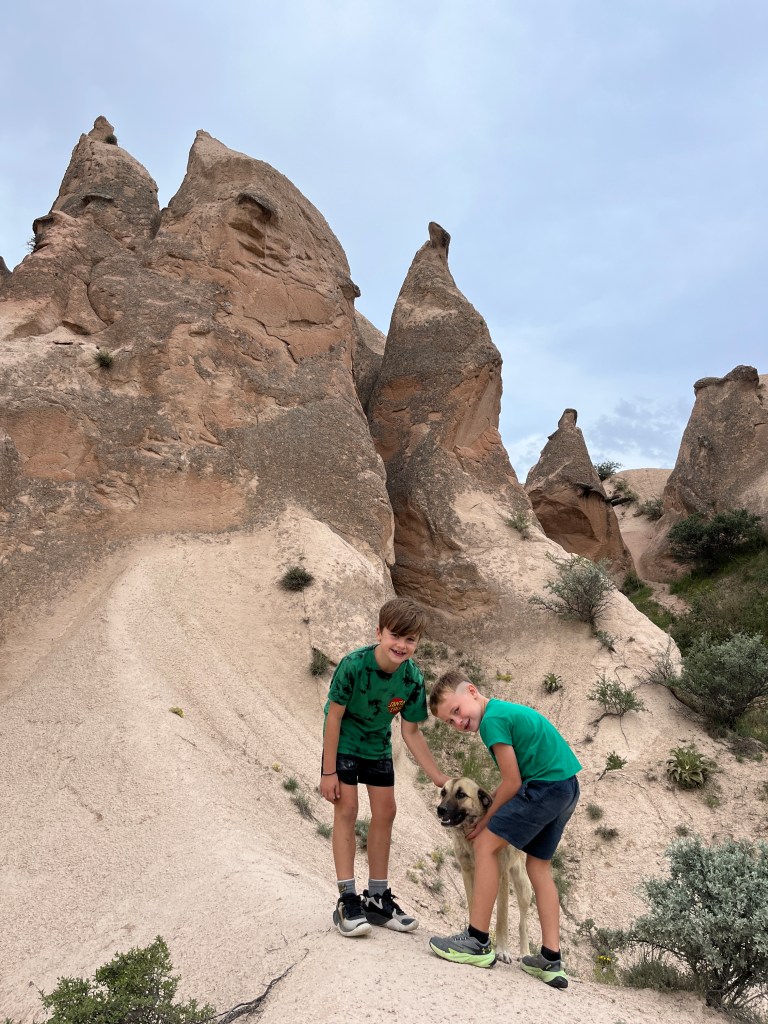
First of all, we learned that there are two airports in Istanbul, and my partner booked our rental car pick-up at the wrong one. Funnily, it was not only the wrong airport. Thanks to Turkey’s unique geography connecting Europe and Asia, our car was booked on the wrong continent. We had to catch a taxi across the Bosphorus Strait to the European side to meet our rental company. These men were our heroes when the taxi driver tried to take advantage of our little mistake. As he demanded far over the verbally agreed price, these men used Google Translate to discretely tell us we should not accept this and that they would call the police on our behalf.We had a night in an airport hotel, which was near this cage filled with soccer playing children. Our boys jump right into these sorts of things, and the local kids here were super welcoming (though some were a bit over zealous). A family of Syrian refugee kids were very keen to communicate in Arabic through Google Translate. A lot of locals have pulled out this app to chat, actually. It’s very endearing.These open and friendly interactions were a balm to our Egypt-whipped spirits.Hitting the road, the green hills were so gentle on the eyes. We were surprised by how beautifully lush the landscape was. Of course, Turkey is a large country (1.2x bigger than Texas), so there is quite a lot of eco-diversity.This is a common site in Turkey, we would find out. This is the tea they serve. These charming glasses in little dishes are everywhere. They are delivered on trays around the Grand Bazar in Istanbul. They are seen empty, sitting window ledges. They appear on the table after meals or while you wait for your take away. They are even offered in brief encounters in shops. Turkish people can be observed sharing friendship over them on street corners, at little tables in alleys, on balconies, and on the stoops of storefronts. I’ve grown great affection for their distinctive curves and warming contents. It’s always the little details that steal your heart.This seaside town was our first destination. Like a layered Russian doll, the castle here was built by the Romans, the walls by the Byzantines, and the gates by the Genoese in the 14th century. We stayed on a little island called Boztepe (meaning “grey hill”) up a great incline at the end of an ancient road. There was a bridge from the mainland to Boztepe that was built by the Romans, heavy stones of varying eras hinting at the different faces it must have had over the centuries. Lots of Turk tourists were always taking photos there, so we always had an audience as we carefully fit our car through the narrow gate across the bridge. Of course, the local cars zipped through like lightening, making us look like fools. (We just owned it. It’s a rental. What can you do?) There was also a lighthouse on the island. From bed, we could watch the light drawing circles in the sky outside our window. There was also supposed to be a temple to Poseidon, but we never found that.Look at this lovely shot. When the middle one saw this photo, he said, “Oh, wow. That was when we all stopped acting like idiots for a second.” Travelling with these boys is like walking out the door with a pack of spinning tops. They bounce off of everything and everyone, including each other and us. They climb. They jump. They hurtle. They balance. They kick balls and play fight. They engage with cats, dogs, shopkeepers, tourists, and locals- in languages local, native, and gestured. We get a lot of stunned and speechless expressions. Some appalled and disapproving. Mostly smilies and the look of three-boy sympathy. They are a blur of boy, and they encircle us wherever we go. It’s maddening, and, I remind myself, temporary. This chapter is so fully full-on.Amasra is on the Black Sea. Of course, we had to figure out how it got that name. Multiple theories. First, the Turkish people use colours to represent the cardinal directions. See the stolen diagram below.https://www.ibalushi.com/blog/2021/8/13/colours-associated-with-cardinal-directions-turkishAnother theory is that the great depth of the sea (over 2km in some places) has led to an abundance of hydrogen sulfide on the bottom so that anything that sinks deep into the water emerges covered in a black sludge. Another theory says the sailors called it the Black Sea because the severe winter storms turn the water so dark it looks black. Perhaps, all of the above? Cats are everywhere. It makes for such a different vibe than the Asian cities of roaming dogs. These haughty, lounging creatures create an atmosphere that feels casual and welcoming to the foreigner. I mean, if feline squatters are fed from people’s cafe tables, surely they don’t mind us harmlessly poking around their town. A Turkish Crab (We spotted some real ones too.)The waves eat the sun here.Amasra is famous for its quirky styles of decorating their gardens. Plants in boots is a recurrent theme.Murals would appear in the most unlikely of places. Turn a corner, shoes are hanging from a tree. Turn the next, nets of fishing bobbers would be strung above an entrance. It was an awesome little photo walk.Such interesting buildings to consider.A bazillion jams were for sale at the local market (in precarious stacks!). All the stalls seemed to sell exactly the same thing… including cheese! We are back in the land of cheese. Hallelujah! And affordable strawberries too. What a treat.We didn’t love the soup options. This was the broader gate.We learned very early that the restaurants work differently here. More than a few times we have seen the restaurant staff run off and return with a plate of food from another restaurant or ingredients bought at the local shop just for our order. Also, many places don’t have menus. At this place above, the young woman showed us a Google Translate message that said, “You should look at the food.” We went into the kitchen and had a look at the two options for the day. Both were great. In general though, we have found pretty much every restaurant to be expensive. Not what we were expecting in Turkey. Luckily, groceries are cheap. Back to the stovetop… boo.This was a Turkish bath we had in the basement of our hotel in Ankara for a quick over night stay. Beautiful decor. We didn’t partake in any services. Just the pool… with the required swimming caps.Cappidocia is a region of Turkey I have wanted to visit since I was an English teacher in NYC 20 years ago. One of my Turkish students did a presentation on it, and it’s been on my list since. It is basically an area filled with spectacular rock formations. And it might just be my new favourite place on Earth. The fun Mother Nature had playing with all this volcanic ash and wind is incredibly enchanting. Then humans got in there and had some seriously creative sessions over a few thousand years. The result is numerous sites that are given names like “the fairy chimneys” and “underground cities.” You become a child lost in a story-land here. It’s the material of Dreamtime journeys.We booked a couple nights in a cave hotel run by a man named Atilla. The buildings are just blended into the rock here. It’s so special and spell-binding to look upon the towns, but the local attitude is like, “Yeah, we know it’s awesome. No need for admiration. We know.” Even in the absence of a “dedicated workspace,” we always have a dedicated worker. And his timezones are getting more and more challenging.Kamakli is an eight-levelled underground labyrinth of a city, started around the 7th century BC and later expanded by early Christians as a way of hiding from religious persecution during the Arab-Byzantine Wars. They had animals (top level), wineries, bakeries, churches, escape hatches and everything you’d need to stay underground for months at a time. It’s believed to be the widest underground city in the world. This wheel in the photo is the Indiana-Jones-style door that could be rolled across the passageway as a defence. It has a hole in the middle that could be used to stab invaders. Bodies of the killed would further block the passage. Very impressive details for our little warrior to take in.The reservoir here would be filled with grapes that were mashed by foot, and the juice would drain out through this hole. There were many holes in the floor where vessels of wine would have been stored. At a perfect temperature. It’s hard to capture how vast this place is. 20,000 people could live here. Only the top four levels can be visited, and we only saw 10% of it in an hour. How spectacular it would have been to see this place populated. Apparently the animals at the top level acted as an alarm system. They would make noise if invaders came, and people could then utilise the escape hatches, which only the wealthiest people had direct access too. The poorer the person, the lower the level, the harder the escape. “Like the Titanic,” said our guide, who grew up in the area and played hide and seek in this maze all of this childhood. Chillin’ in our own cave.Turkish Breakfast is a beautiful thing. This picture doesn’t even capture all the colourful goodness. The Zelve Open Air Museum was the best site we saw (We missed a lot of them.). The boys were free to climb and explore here. Spectacular views all around.It was a beautiful spring day with blooming flowers and chirping birds. It might have been my favourite day of the whole trip so far. The boys had a real test of their physical prowess as we sillily decided to wear Crocs.So many nooks to explore.So many. (The boys are up to the left.)You might have to zoom in too see us.Taking to the pulpit. Many of these sites are religious spaces of some kind. Crosses of various Christian eras can be found carved and even painted on the walls. Little paint remains now. It would have been beautiful to see these spaces decorated and utilised as they would have been. I just stopped taking pictures after awhile. Too many beautiful sites that would just look the same to anyone not there. You are supposed to see some great valleys by hot air balloon, but we didn’t have the budget for that. We were smitten enough with the ground view, anyway. Some spaces were blocked off. That was annoying to these explorers. After a morning of climbing, this confident kid was happy to ask for a whole pomegranate from these men selling steeply priced juice- AU$8-10 a cup. They were sweetly happy to provide with only the smile of a delighted boy as payment.The perfect snack!We got the little brother along for an afternoon session of exploring.The Goreme Open Air Museum has some beautifully preserved frescos, but you aren’t allowed to photograph them. Creepily, many of them have the eyes or faces scratched off, sort of like the above outdoor example. They are amazingly colourful though, considering they are from the late 11th and early 12th century. It was easy to lose sight of the kids in the landscape.In Imagination Valley, we found a multi-generational family of pups living among the interestingly formed towers, in which one is supposed to use their “imagination” to discover animals, faces, and the like.The boys disappeared for awhile on the other side of this crevasse. We just enjoyed the silence with a couple of snoozing dogs.Flower Therapy- The eight-hour car ride to Istanbul required a spirit-lifting wildflower bouquet stop for Mom/Mum. The semi-trucks here are very lane lax and often veer into their neighbouring traffic to terrifying effect. We also had a car which would often ding and give a warning to keep our hands on the steering wheel. As if we had forgotten this key element of driving. In the end, we returned the car to the right continent and took our explorers to Istanbul.
So so so much history in this country. Beautiful scenery too.
The arch enemy of many European countries in the 15th 16th centuries. We have lots of Hungarian historical novels with the Turks and the Ottoman empire.














 Mapping the Gap
Leave a comment