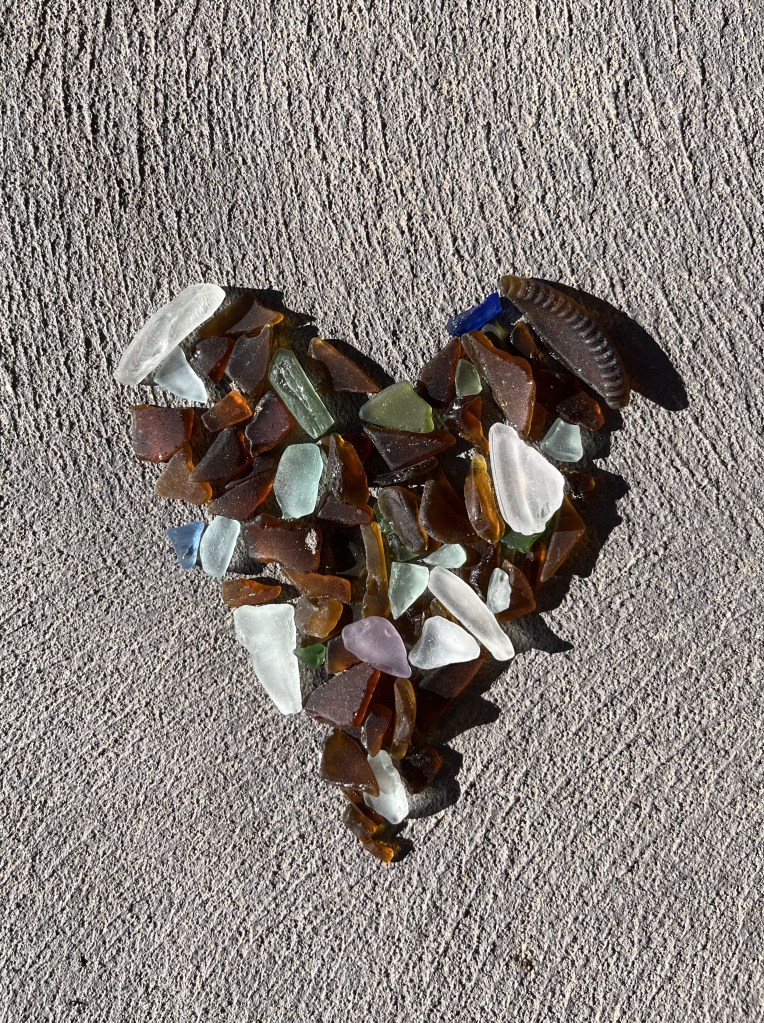
Before immigrating to Australia over four years ago, I’d met a few of Aussies. I’d met enough to know that travelling was in the national water supply. It’s a known trait of these people on a distant land. On one of my first days nursing in the country, I saw an example of this traveller’s spirit embedded quite naturally in a doctor’s note. It read something like, “Patient in for scripts. Off in caravan. Heading north.” Heading north? This struck me. As an American raised on limited vacation days, this struck me distinctly. There is something uniquely Australian about a confident surrender to a cardinal direction. Composed. Fearless. A gesture of ease. This is very Australian. It is a superb spontaneity and a savvy trust in the rightness of whatever will unfold. Heading north. It is an untroubled stroll into all possible outcomes, a familiar embrace of what cannot possibly be known. This approach to travel is a flirtatious invitation for life to hijack the wheel of one’s fortune. Heading north. It is almost a dare.
It is just this cool confidence that wins Aussie’s their hip reputation in the world. It seems to me, upon reflection, that this isn’t just an attitude to travel. This is also a manner of living for the Aussies. “Whatever comes, we’ll deal with it,” is the undercurrent I feel among these far-flung people. I find this energy of unruffled resilience deeply comforting. I feel safe in a mindset so assured. There is trust that all will be well, that I cannot possibly misstep irreparably. It is freeing in a way that’s hard to explain. It’s an urging and an allowing. “No worries” is the common slogan, but I assure you, it’s more complex than that.
So, as we prepare to leave these spectacular shores, I’d like to take a moment to reflect on the Australia I have absorbed into my fibres. Certainly, it is folly to speak generally about a whole nation as if I comprehend its entirety or as if it is even comprehensible, but I’d like to try to articulate how this special land has impressed me, how it’s expanded me, and how it roots me into a style of living that seems more grounded than any of my previous homes. I’ve had time on this trip to consider this culture, what makes it so cool. Here are my thoughts. Read them with a few grains of salt. Evidence suggests I am human and appropriately subjective. And like most countries I have found (and will find), when you try to articulate a cultural commonality, you are inviting an ambush of contradictions. Let’s just accept this as an ever-relevant truth here: Culture is an elusive construct. We must hold it loosely and leave room for inconsistency and paradox. One of the great pleasures of travel for me is in the inquiry, in the observation, consideration, and guesswork that goes into cultural examination, but we must never forget that the eyes that behold are deeply influential in the assessment. What I see has a lot more “I” in it than anyone can hope to extract. So, read on as if no truth exists. These are only my humble but considered reflections.
The Land
I think the land here is largely responsible for this easy Aussie air of surrender. Sure, most places on the planet offer beauty to stimulate the human spirit. Nature is always ready to engage with us upright inhabitants, wherever we find ourselves. The tiniest of creatures and the grandest of formations can awaken us almost anywhere. But I sense there is something different at work here in the Land of Oz. While Nature seems to patiently wait outside your window in other nations, the drumbeat summons of this land resonates through the floorboards. It strums your bones at an ancient timbre. And it doesn’t tenderly beckon. It cop-knocks at your door. It commands.
It’s in the cell-slaughtering sun that bleaches your clothes, fries your windshield wipers, and sizzles my skin through the kitchen window. It’s in the ceaseless, life-silencing pound of the surf, in the stories of souls lost to the rips, in the wave peaks that mimic shark fins, and in the bulbous tangles of blue bottles that wash up on the shores, capable of inflicting injury even in death. It’s in the startling of a snake, in the earth-shaking thump of a roo, in the cliffs that crumble out fossils, and in the shell shapes that whisper of mysteries and histories beyond human knowing. It’s in the eery silhouetted flap of a flying fox’s flight to its nightly feeding grounds. It’s in the skeletal forests sprouting tufts of green growth from charred limbs, in the ashen echoes of raging fires, and in the fresh unsmothered life raging back. It’s in the haunting eagle-like squawk of a black cockatoo, which always seems both possibly real or imagined. It’s in the red rich earth, in the white streams of sand, in the streaky storied stones, and in the sap that glows golden in the sun. It’s in a million ageless movements of life. Nature here is the cocked-head magpie stare of reprimand. If you are listening in this country, you know your place. There is a warning and a reassurance on the wind.
I hear this message too in the common rally cry of the Aboriginal Land Rights Movement: “Always Was, Always Will Be.” You can see these words riding around on bumper stickers and on t-shirts, but its meaning is not to be dismissed as commercial or kitsch (though I fear it may be muted to such for some). If you really listen to these words, you can hear the reality check. “Always Was, Always Will Be.” You are the comma in the middle. Much has come before you. Much will come after. This moment. You. Me. All of us. We’re a blip. I feel this sense of insignificance here. Not in a dismissive way. In a reminding way. There is a sense of belonging to a long lineage of humanity, but it is also an unspoken reminder: None of us comes here to stay. This hum of mortality activates the Aussie sense of surrender, I think. Nothing is ever truly in your control. None of this should be taken too seriously. Older movements are at work. We are dust. Can’t be helped. Try to enjoy it. Live well. At least, that’s what I hear.
Priority of Life Span
I think this primeval vibration also awakens a clearer perspective of the arc of a human life and that this broader outlook is built into many of the Australian cultural constructs. Embedded in a thousand gestures, one can sense a priority placed on honouring the various stages of life here in Australia. From maternity leave that respects the importance of the mother-child bond to medical models that dignify the aging stages of a lifecycle, I sense a communal appreciation for our perpetual progression in life. People seem to have a collective understanding of and a protective instinct over what each stage of life should prioritise. Children should play, teens should explore, and young adults should build a life of their choosing. Parents should be supported to care for their offspring, and older adults should relax and enjoy the fruits of their labours. And all the players at all the stages should support the others to achieve the objective of their current stage in the game. Seems obvious and almost silly to state, but I never really saw this honoured so clearly in my home country. On this red-earthed island, work and money carry less weight than the pursuit of one’s current life assignment. Or so it seems to me.
Related to this intentional orchestration of a lifespan is the sense that family and one’s personal path should be the centre of one’s life. I mean, if we’re all just a comma in the story of the planet, how much time should we really spend slaving away for profit? The culture of many organisations (in my limited experience, admittedly) emits a signal that our personal time with our people and the pursuit of our private interests is more important than the job, at the end of the day. Work hard for the common mission of the company, give it all you’ve got, and then fully enjoy those four to five weeks of work-free holidays without any consequence to your career. If your people are sick, if someone dies, if you aren’t well, go home. Take care of yourself. The sentiment I’ve gathered is, “What’s the point in working hard if you aren’t allowed to claim a life that is fully yours?” Again, seems obvious, but I don’t think many cultures allow this, or at least they are quite stingy with this allowance. Perhaps I just worked for wonderful Aussies (I know I did), but one gathers a sense of this personal life prioritisation from the common language and lifestyle of this population, as well. The main priority is simply understood. It would be stupid to live otherwise. And, I’ve noticed, Australians take serious pride in not being stupid.
Community Minded (AKA Not Being Stupid)
Perhaps it’s the Australian history of being a British outpost, and the sparse population of colonisers needing to depend on one another. Maybe, again, it is the land that commands submission under threat of death for all inhabitants, First Nations and invaders alike. The environment is harsh for all lifeforms here. That is common ground. And there aren’t a lot of other nations in the neighbourhood to lean on with any ease. As such, it is important that people band together. Those who collaborate survive. Perhaps the current Australian population is a people mildly culled of the self-centred stupidness that is so rampant in other places. Perhaps not. Regardless, the community matters more than the individual here in this remote country. From what I can tell, anyway.
As a First Aid Trainer (a side gig of mine), we teach the pressure immobilisation bandage for snake bites, but I’ve always been impressed by the old Aboriginal way of dealing with them. It is said that ancient people learned to lie motionless under a tree for days after a snake bite and that this would allow for a slower absorption of the venom and give the victim a chance at survival. I love this partly because our current science would tell us this immobilisation could work but also because one needs a tribe or “mob” for this to be successful. To lie under a tree for days, people need to bring the victim provisions of subsistence. This banding together, giving someone a hand, making yourself useful, all-hands-on-deck sort of spirit is a very Australian quality. It is a quality of human survival, a quality of community, but it is weakened by modern systems in many places in the world. Here though, the greater good, as opposed to individual freedom, is still often cited as sound reasoning. People are simply more ready to help one another out.
I can sense the contradictions lining up to voice dissent here, and the “I” of this writing might clearly be American. Still, I feel confident in saying that there is a very common sense to this culture. It is refreshingly common in these threatening times. In general, people here don’t tend to be blatantly stupid about things of a community nature. For example, there is a strict “No Hat, No Play” policy at the kids’ school because skin cancer is a big thing in these parts. In my home country, there would probably be a sort of adolescent bucking of a rule like this by the average citizen. A sort of “You can’t make my kid…” argument that totally misses the point of cancer prevention for the next generation. That simply doesn’t happen here. Another example is a school program called “Crunch and Sip,” which requires kids to bring a fresh fruit or vegetable to have with water as a morning snack. It ingeniously ingrains healthy habits in these kids. “You can’t make my child eat fresh things!” is a sardonic voice I giggle to myself when I see the “Crunch and Sip” sign on the school gate. That sort of stupid just doesn’t happen here. If it does, it’s smacked down with cool Aussie dismissal: “Don’t be stupid.” A daft objection isn’t worth consideration. Done.
Common sense is fairly common here, I’d venture to say, but it’s actually more of a healthy communal avoidance of stupid. There is a lot of preventative health care. A lot of “work hard, play hard” attitudes. Many conversations and movements towards the better caretaking of our planet. And there is still a solid sense that diversity and equality matter. On the citizenship test I recently passed, one needs to get 100% of the “Australian values” questions correct. The values are quite common sense, I would have thought. Men and women are equal. People are free to worship the religion they wish. There is also the social belief called “a fair go.” I was explicitly tested on this idea that everyone should be treated the same, that all people deserve an equal chance to pursue a good life, that we all have “a right to a fair go.” Nowadays, having seemingly obvious questions of values reaffirmed in this way seems frighteningly necessary and even revolutionary in light of my home country’s plight. This country isn’t perfect. It has its stupid. It fights battles of its own, but, in my modest assessment, it’s getting quite a lot of things right. Certainly by world-stage standards.
Movement in Nature
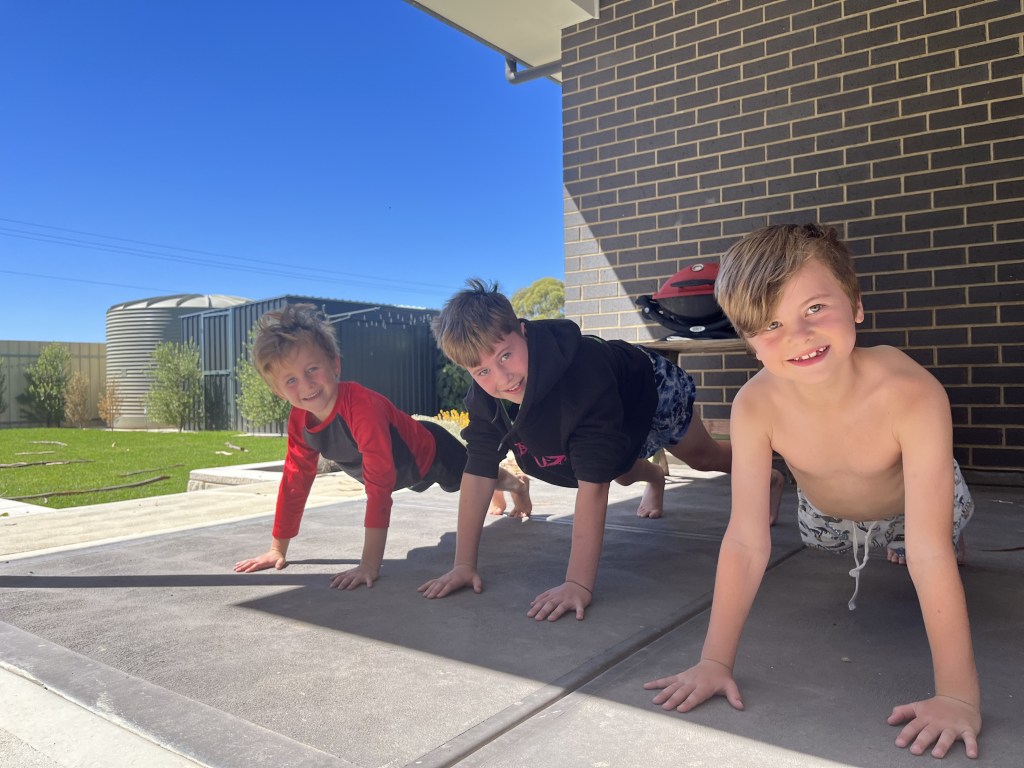
Australians are sporty. That’s not a secret, but, again, I think this is partly about the land. Nature and physical activity are used as a remedy by the people of Australia. As a nurse, I have witnessed this surface in conversation with patients time and again. A staple of the local wellness diet is active connection with the land. Bush-walking, riding bikes, rock-climbing, running, playing sport, bird-watching, and gardening are all health choices that people consciously make to combat afflictions of the mind and body. Many of my peer parents play team sports themselves around the schedules of their children’s games and trainings. Habits and recreation of physical movement in nature are part of a normal lifestyle here.
Aboriginal patients have sometimes spoken of “going on country” as a means of self-care. At first, I had to fudge my way through this one, asking them to “tell me more about that.” Honestly, I’m still not sure I understand, and I won’t insult the practice by trying to explain, but research suggests great health benefits from this reconnection with the land, this reestablishment of one’s belonging to the earth.
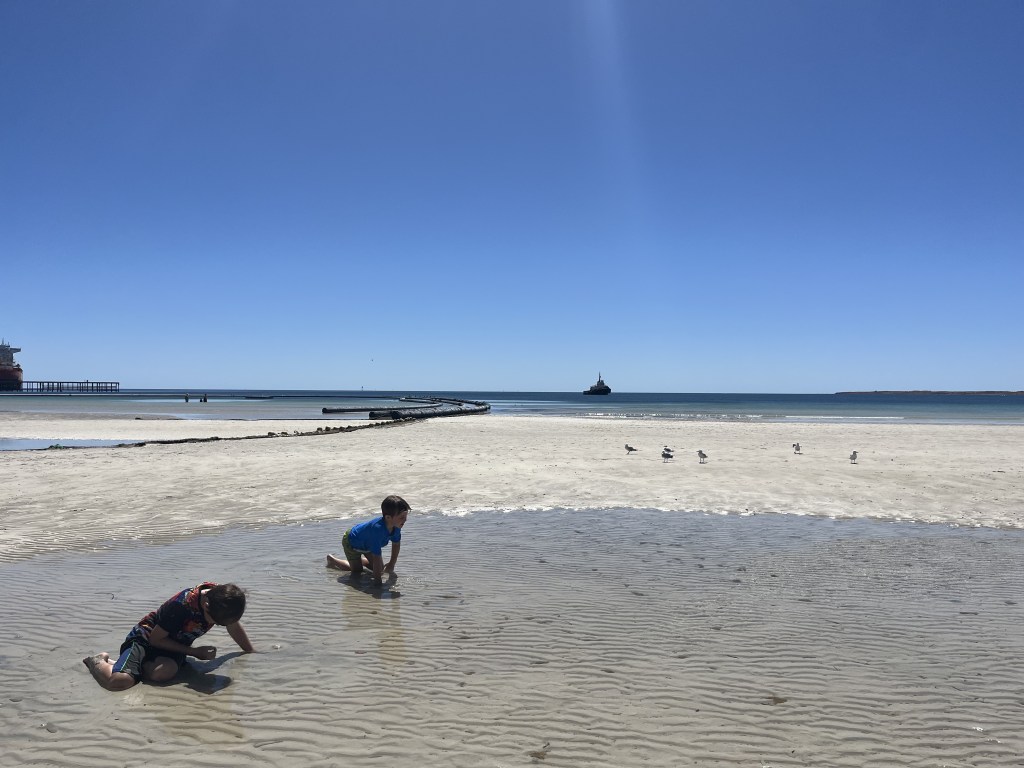
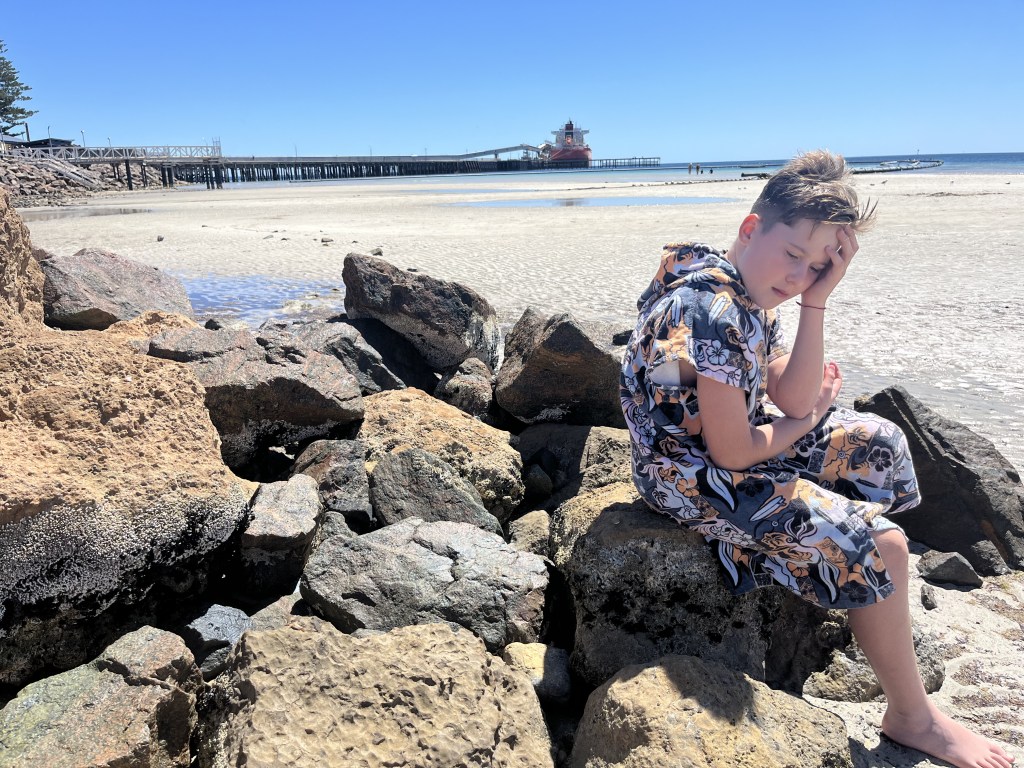
But it’s not just the solid land. People here are more connected to the sea, as well. More than 85% of Australians live within 50 kilometres of the coast, which means the sea and all her offerings are actively enjoyed by a great number of inhabitants. I remember a patient with an orthopaedic issue once saying that her goal was to walk barefoot in the sand again. This was her idea of getting back to truly living. “Time with Dr Pacific” I heard a Year 6 student call his sessions on a surfboard. A local Shoalhaven character has a program for military vets that aims to use surfing and connection to the sea as a means of activating the parasympathetic nervous system in PTSD management. Boating, windsurfing, ocean-swimming, kayaking, free-diving, snorkelling, fishing, stand-up paddle-boarding, and on and on. The sea is sought as a spiritual teacher, a personal trainer, and a trusted friend in these parts.
Regular movement in Nature is simply a national trait. It’s not just a jock thing. It’s a health thing. It’s a soul thing. It’s a let’s-not-be-stupid thing. The humans here know how to access the earth’s greatest gifts. The land expands, sooths, heals, bonds, and empowers. People here seem to get that. And I feel very fortunate to have absorbed some of their ways. I am certainly better for it. My children too.
I’ll end it here before I bury us all in musings and dig holes I cannot crawl out of. (Please forgive any oversimplifications. It’s just a blog.)
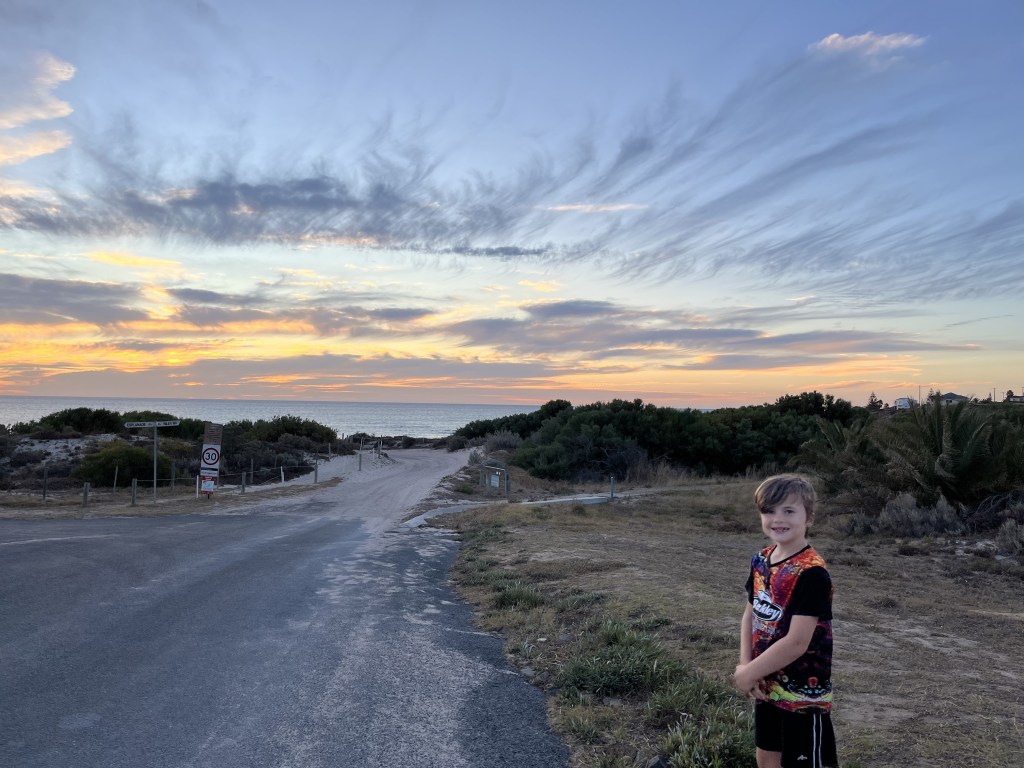
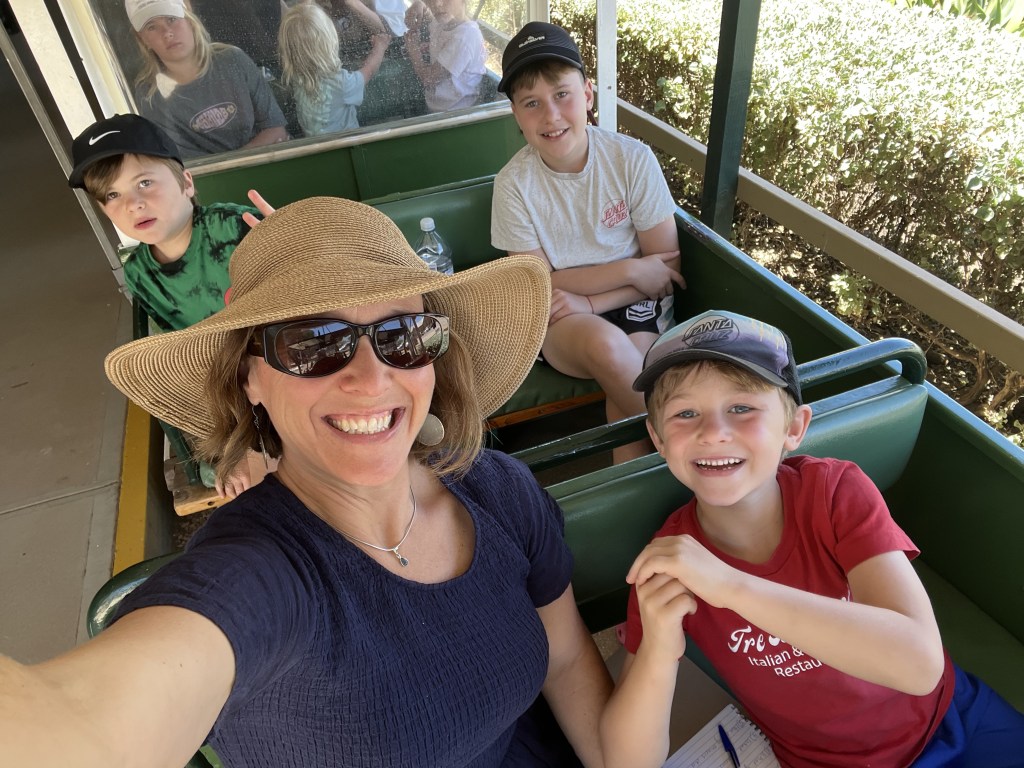
So, the Australian road-trip leg of the year is coming to a close. It has taken us from the Shoalhaven in New South Wales to the South Gippsland coast of Victoria. In the state of South Australia, we filled a week of life on the Limestone Coast, one on the Copper Coast, and a week on the Fleurieu Peninsula in between. Next, we have our last voyage in The Sandvan- a name inspired by our complete embrace of the 3-boy lifestyle, a vehicle filled with crumbs, smears, sticks, stones, scraps, sea sponges, sap, bones, popsicle sticks, shells, sea glass, snacks, and sand. After our beloved steed carries us the two-day drive east to Sydney, we, too, are heading north- by plane. Lombok, Indonesia is the next port of call. Nothing planned. Just one AirB&B. One month. Spontaneity is our guide. Our own intuitive interests are the map. We trust that it’s going to be good. And if not, we’ll deal with it.


 Mapping the Gap
Leave a comment